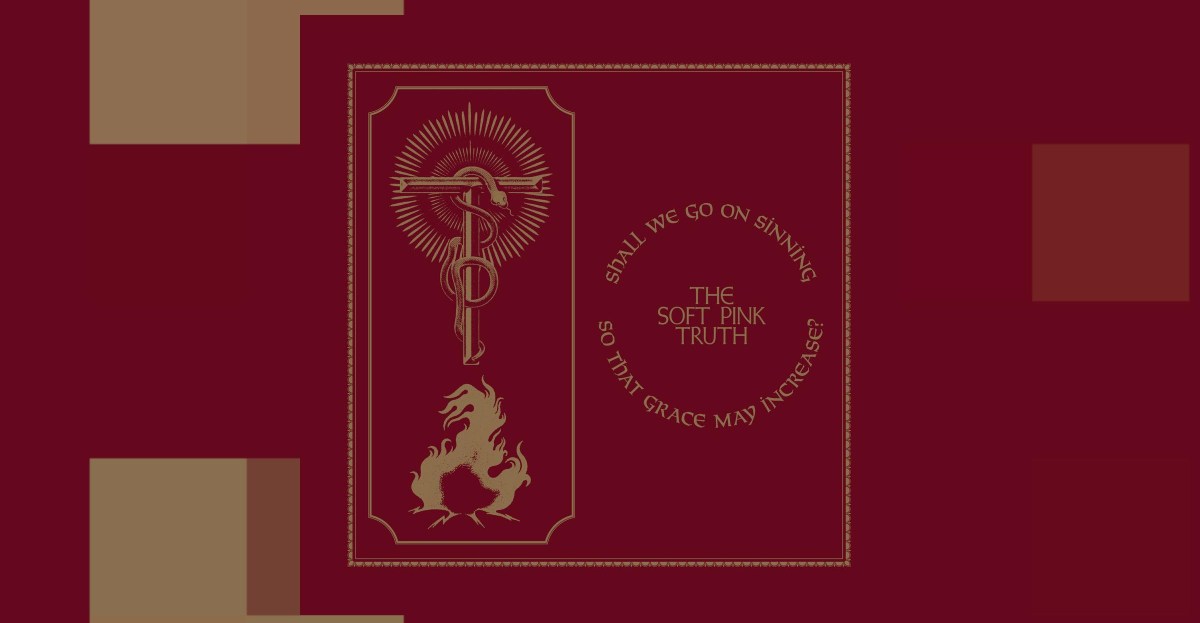
Drew Daniel’s work as The Soft Pink Truth is getting another round of attention for Shall We Go On Sinning So That Grace May Increase?, a record that The Verge’s Terrence O’Brien describes as a strikingly hopeful entry in the Matmos member’s sprawling catalog.
O’Brien, writing in The Verge’s music column on July 12, frames the album as a departure from some of Daniel’s more abrasive solo material. His read: this is Daniel using electronics, samples, field recordings, and ambient texture to make something less jagged than expected from an artist whose other projects are often built around strict conceptual constraints. Experimental musicians do love a rule set. Daniel has made a career of turning that impulse into records people actually listen to.
Daniel is one half of Matmos, the duo known for albums including A Chance to Cut Is a Chance to Cure and for production work on Björk’s Vespertine, according to O’Brien. Matmos often centers its records on specific processes, including using sounds from medical procedures or constructing instruments from PVC tubing. The point is not just odd source material. It is that the recording method becomes part of the music’s argument.
The Soft Pink Truth, by contrast, is presented as Daniel’s less predictable outlet. O’Brien notes that the project has moved through different forms, including house music and black metal covers. Shall We Go On Sinning So That Grace May Increase? sits somewhere else: O’Brien calls it an optimistic response to the rise of global fascism, and describes it as more restrained than Daniel’s earlier solo records.
A softer machine
According to O’Brien, the album swaps out some of the harsher sounds associated with Daniel’s previous work for a more organic, ambient palette. The record still uses processed recordings and samples, the kind of material listeners might expect from someone tied to Matmos, but O’Brien says the treatment here feels less mechanical and more textural.
That distinction matters because Daniel’s music often gets discussed through its machinery: the samples, the procedures, the formal joke, the gear-brain setup. O’Brien’s assessment puts the emphasis on mood and motion instead. The record is still built, but the seams are not the whole show.
The opening track, “Shall,” is described by O’Brien as starting from unease, with drones, busy sound design, and a chant-like vocal element. The next track, “We,” shifts the album into a minimal pulse with a new-age quality, according to the review.
O’Brien’s account stops there before The Verge’s subscription prompt, so the available details do not support a full track-by-track verdict. What is clear from his published assessment is narrower and more useful: Shall We Go On Sinning So That Grace May Increase? is being positioned as one of Daniel’s subtler Soft Pink Truth records, still experimental in construction but less interested in abrasion than in release.
This story draws on original reporting from The Verge.


