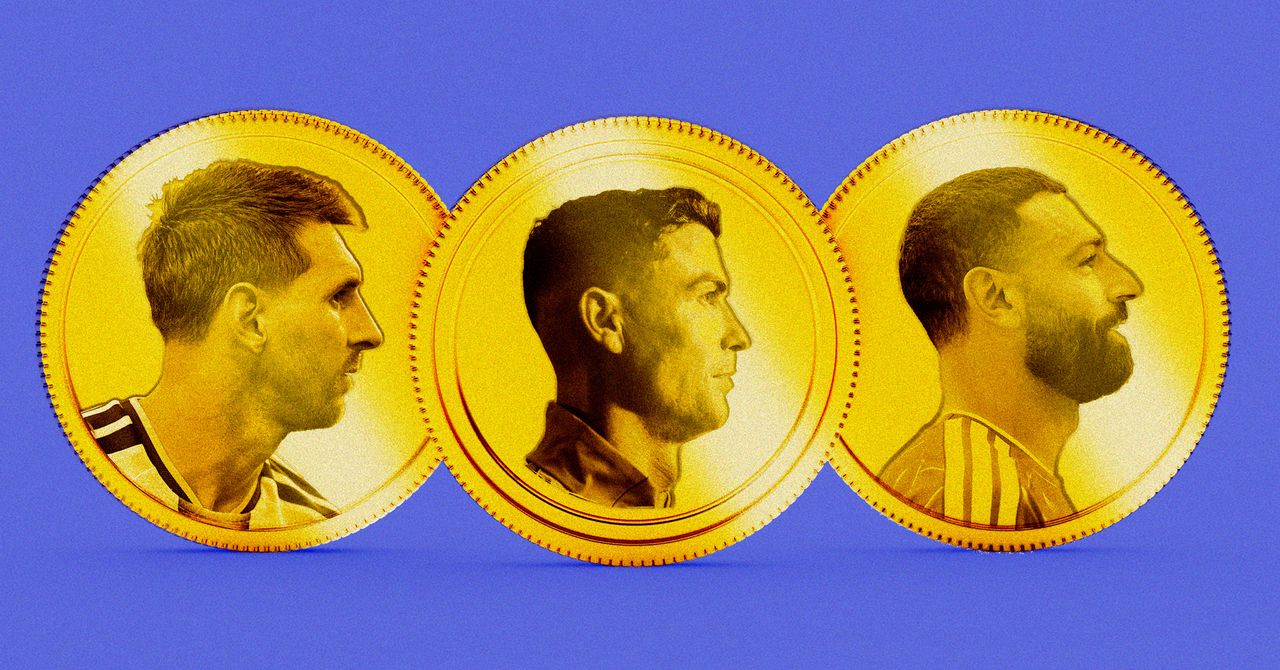
Lionel Messi and Cristiano Ronaldo are putting more of their post-football money into company ownership, while Mohamed Salah’s disclosed business activity remains closer to old-school athlete commerce: brand deals, property and philanthropy.
The split is becoming clearer around the 2026 FIFA World Cup, which Ronaldo has said will be his last. Reuters reported that Portugal’s defeat to Spain ended his sixth World Cup run. Salah, meanwhile, picked Messi when asked which player he would choose for a final “last dance” from their generation before Argentina beat Egypt on Tuesday.
Off the field, Messi and Ronaldo are not just lending their faces to products. They are taking stakes. That matters because a sponsorship cheque stops being interesting the moment the campaign ends. Equity can rise, fall, pay out or become worthless, which is why the due diligence part is not decorative.
Kamraan Khan, a partner at Dubai-based Archers Valuation and Advisory, said the move from endorsements to ownership reflects athletes’ focus on building wealth after their playing careers. He said equity can offer capital gains and, in some cases, dividends, while sponsorships usually pay during an athlete’s peak earning years.
Messi’s venture bets look like a Silicon Valley sheet
Messi launched Play Time HoldCo in October 2022 with entrepreneur Razmig Hovaghimian, Bloomberg reported. Hovaghimian founded the streaming platform Viki, which Rakuten later acquired. Play Time is based in San Francisco and targets sports, media and technology companies.
The Generalist reported Play Time was initially expected to target about $200 million. According to Play Time’s own website, its portfolio includes AI and technology companies such as FieldAI, Fish Audio, World Labs, Perceptron, Intangible and SuperAnnotate. It also has sports-linked bets including the FIFA-licensed mobile game Matchday and memorabilia marketplace AC Momento.
Messi’s technology exposure also sits outside Play Time. CNBC reported he took a stake in Sorare, a fantasy football platform built around officially licensed digital player cards. Boardroom reported he joined the ownership group of KRÜ Esports, the Valorant and Rocket League organization founded by Sergio Agüero. ESPN reported Messi’s Socios.com ambassador deal was worth $20 million over three years, but that arrangement was a paid promotional contract, not a disclosed equity holding.
His 2023 Inter Miami agreement also included an ownership component alongside salary and a signing bonus, according to ESPN. The precise size has not been publicly confirmed by the club or Major League Soccer. Sportico valued Inter Miami at $1.45 billion in February 2026, up 22 percent from the year before and the highest valuation it had recorded for an MLS club.
Ronaldo is betting on health tech
Ronaldo’s investments are more tightly aligned with the fitness brand he has spent years selling. Whoop said in May 2024 that he became an investor in the wearable fitness and health analytics company after using the product as a paying member. Whoop described it as one of his largest investments. The company’s UAE expansion is backed by the Qatar Investment Authority and Mubadala Investment Company.
In February 2026, Herbalife said Ronaldo paid $7.5 million for a 10 percent stake in HBL Pro2col Software, the subsidiary behind Pro2col, a digital personalized health and wellness system. Herbalife said the investment extended a partnership with Ronaldo that began in 2013.
A month later, Herbalife agreed to acquire London-based Bioniq in a deal worth up to $150 million, according to Athletech News. Ronaldo was already an early investor in Bioniq, which makes AI-powered personalized supplements. Herbalife said Bioniq’s technology would be folded into Pro2col.
The National reported Ronaldo was also set to receive a 5 percent ownership stake in Saudi Pro League club Al-Nassr, with the deal said to be finalized in June 2025 and valued at about £50 million, or $66.7 million.
Salah’s disclosed interests are more conventional
Salah’s public UK corporate filings point to commercial holding companies and real estate rather than disclosed startup investments. His prominent commercial relationships include Adidas, Pepsi and Vodafone Egypt. He also has philanthropic work through the Mohamed Salah Charitable Foundation.
Khan said athletes still need independent valuations and serious due diligence before committing money, whether the target is a startup, property or a private business. The branding is glamorous. The risk is still risk.
This story draws on original reporting from WIRED.


