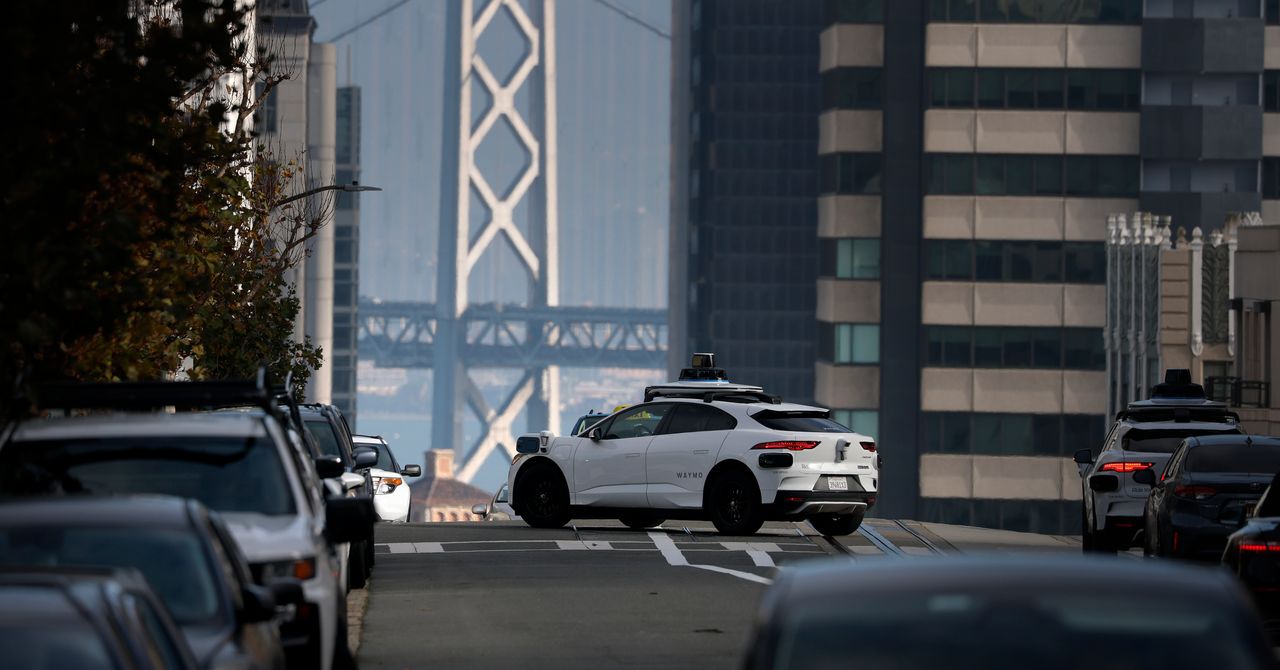
The National Highway Traffic Safety Administration has warned autonomous-vehicle developers that their cars are getting in the way of police, firefighters and ambulance crews, a software problem with consequences measured in blocked firehouse doors and delayed emergency response.
In a Wednesday letter, NHTSA administrator Jonathan Morrison told developers the agency has documented an “unacceptable” pattern over the past several months. Morrison wrote that “an AV that cannot safely interact with first responders is a danger to the general public,” and described the warning as a “call to action.”
According to Morrison, the incidents include driverless vehicles entering active emergency scenes, obstructing ambulances and firefighters, and failing to react properly around flashing lights, fire and traffic cones. In plain terms, the cars’ automated driving systems are not reliably identifying emergency context or choosing the safe behavior once they encounter it. A robotaxi that freezes in a lane or noses into a cordoned-off scene is not being cautious in any useful public-safety sense.
Morrison told companies to put resources into fixing the issue immediately. He said NHTSA plans to meet with each developer by the end of July to hear what they intend to do. He also warned that the agency will keep using its enforcement powers against developers that fail to address significant safety risks.
Waymo and Zoox did not respond to WIRED’s requests for comment, according to WIRED.
City officials have been complaining for months
The federal warning follows complaints from local emergency officials, particularly in cities where robotaxis are already operating. WIRED reported in April that officials from several city law enforcement and emergency departments told NHTSA during a closed-door meeting that Waymo vehicles were interfering with some emergency responses.
One fire chief described the vehicles’ behavior as a safety problem for crews and victims, according to WIRED. A San Francisco official told NHTSA that Waymo’s system was “backsliding,” while the city’s fire chief said Waymo vehicles were frequently blocking access to fire stations.
An Austin Police Department representative told NHTSA that Waymo vehicles tend to stop and remain stuck in complicated situations and often do not respond to officers’ hand signals during emergencies, WIRED reported. The Austin official said the technology had been deployed too quickly and at too large a scale, with hundreds of vehicles, before it was ready.
Austin first responders also raised the issue at a City Council meeting this spring. They discussed an incident in which a Waymo robotaxi blocked an ambulance for two minutes while it was responding to a downtown mass shooting that killed three people and injured at least 14, according to WIRED.
Regulators are warning and loosening rules at the same time
NHTSA has issued several recalls tied to autonomous-vehicle behavior in recent years. Those include two Waymo-related recalls involving flooded roads and construction zones, and a Zoox recall involving robotaxis stopping in front of oncoming traffic. The companies said the problems were fixed with software updates, according to WIRED.
An Austin school district also worked with Waymo to train its vehicles to stop for school buses, though WIRED reported that the fix did not work right away.
At the same time, NHTSA used a Wednesday press release to promote the Trump administration’s efforts to reduce barriers for autonomous vehicles on public roads. Last month, the agency made it easier for companies to deploy purpose-built robotaxis that do not comply with some traditional motor vehicle safety standards because they lack steering wheels, driver-operated brakes or rearview mirrors. That policy benefits developers including Tesla and Zoox, according to WIRED.
The result is a familiar regulatory split screen: Washington is trying to speed deployment of vehicles built without human controls, while its own safety agency is telling the companies building them that their machines still cannot be trusted to consistently handle the people arriving at emergencies.
This story draws on original reporting from WIRED.