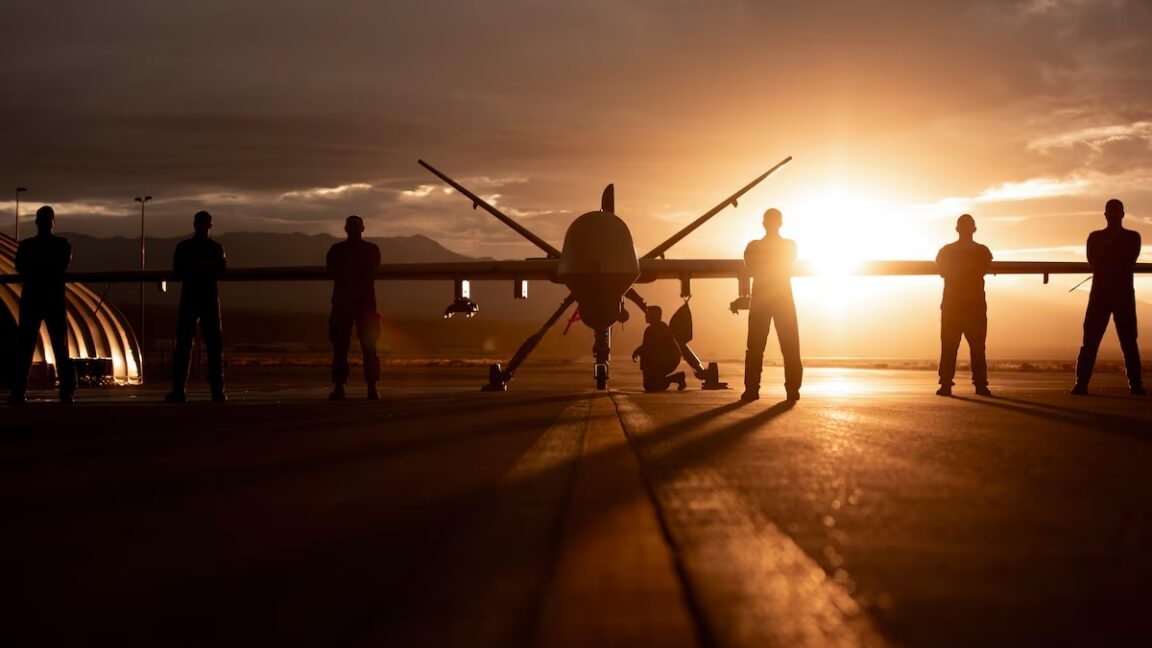
The Pentagon is looking for lower-cost drones to take over missions now flown by the MQ-9A Reaper after Iran shot down or destroyed dozens of the aircraft, losses that Bloomberg has put at roughly $1 billion.
The Defense Innovation Unit, the Pentagon office that solicits commercial technology for military use, posted a call for companies to propose drones that can perform surveillance and strike missions now handled by aircraft that cost more than $30 million each. DIU said that model is no longer sustainable against opponents with layered air defenses and cheaper antiaircraft weapons.
The requirement is blunt about the math. DIU wants aircraft cheap enough to be fielded in numbers and lost in numbers, while still forcing enemy air defenses to deal with more targets than they can comfortably handle. That is the uncomfortable bargain behind attritable drones: the platform is useful partly because commanders can afford to lose it.
Reapers became the expensive substitute for pilots
The US military has relied on Reapers for high-risk missions inside Iranian airspace during the war that followed US and Israeli attacks on Iran on February 28, 2026. The drones gather intelligence and launch missile strikes without putting a pilot in the cockpit.
Kenneth Wilsbach, the Air Force chief of staff, called the Reaper the Air Force’s “most valuable player” in the Iran war, according to Air & Space Forces Magazine. That value has come with a repair bill the Pentagon cannot shrug off as normal wear.
Air & Space Forces Magazine reported that the US military had lost nearly 30 Reapers by May 2026, including aircraft destroyed on the ground in Iranian counterstrikes. Air Force Times reported that the Air Force acknowledged the losses had cut its Reaper fleet to about 135 aircraft.
Bloomberg reported that the destroyed Reapers were worth about $1 billion. A Reaper can cost around $30 million, and the Air Force has said a fully equipped aircraft with its sensor package can cost as much as $50 million.
The total may have grown since then. The United States and Iran have continued exchanging airstrikes and drones despite ceasefire periods and negotiations reported by the Associated Press. On July 8, Iran’s Islamic Revolutionary Guard Corps claimed it had shot down another Reaper, according to i24NEWS.
DIU wants range, payload, and losses it can afford
DIU’s notice asks industry for drones able to carry multiple sensor and weapons payloads weighing up to 2,800 pounds. The aircraft must have a combat radius of at least 2,300 nautical miles, or be able to fly 8,000 nautical miles on a one-way strike mission.
The office said the new aircraft should perform the same missions as the MQ-9A Reaper. DIU wants 20 mission-ready aircraft delivered by 2031.
General Atomics, the company behind the Reaper, stopped building the aircraft for the US military in 2025. A General Atomics executive told Breaking Defense that the company is interested in the new DIU opportunity and indicated it could offer a cheaper follow-on aircraft.
The Pentagon’s interest follows a pattern made visible in Ukraine’s war against Russia. Ukraine has used large daily salvos of comparatively low-cost drones and missiles to strike supply lines, refineries, energy sites, and industrial targets in Russia and occupied Ukraine, according to the Institute for the Study of War. ISW has also reported Ukrainian attacks damaging or destroying advanced Russian air-defense systems.
The US has mostly fought the Iran air campaign with expensive crewed aircraft and high-end drones. That has led to aircraft and helicopter losses, as well as rescues of downed crews in Iran and the Strait of Hormuz.
The Pentagon is asking for about $54 billion in fiscal 2027 for drones and autonomous warfare technologies. Whether that buys a cheaper Reaper replacement, or just a pricier version of the same problem, depends on what companies can actually deliver by 2031.
This story draws on original reporting from Ars Technica.