Tesla told Washington, DC lawmakers on Monday that it is working on a wheelchair-accessible autonomous vehicle, a claim that would address one of the robotaxi industry’s more glaring gaps if the company actually ships it.
India Herdman, Tesla’s senior policy adviser, made the disclosure during a DC City Council hearing on legislation that could permit robotaxi services in the District. Herdman said Tesla is developing a purpose-built autonomous vehicle for wheelchair users in Texas, and framed the project as a response to the difficulty many riders face with paratransit.
Tesla did not respond to WIRED’s request for comment. Herdman did not say when the vehicle might arrive, how it would load a wheelchair, whether it would include ramps or lifts, or whether it would support riders who remain seated in their chairs during a trip. Those omissions matter. Accessibility in transportation is mostly engineering, operations, and maintenance, not a checkbox in an app.
Tesla’s existing robotaxi footprint is still limited. The company operates a small autonomous-vehicle fleet in Austin, Dallas, and Houston, Texas, and began service in Miami this month, according to WIRED. In the San Francisco Bay Area, Tesla operates a service with human drivers. The driverless fleet uses the Model Y, a compact SUV that is not wheelchair accessible.
The Cybercab is not the accessible vehicle
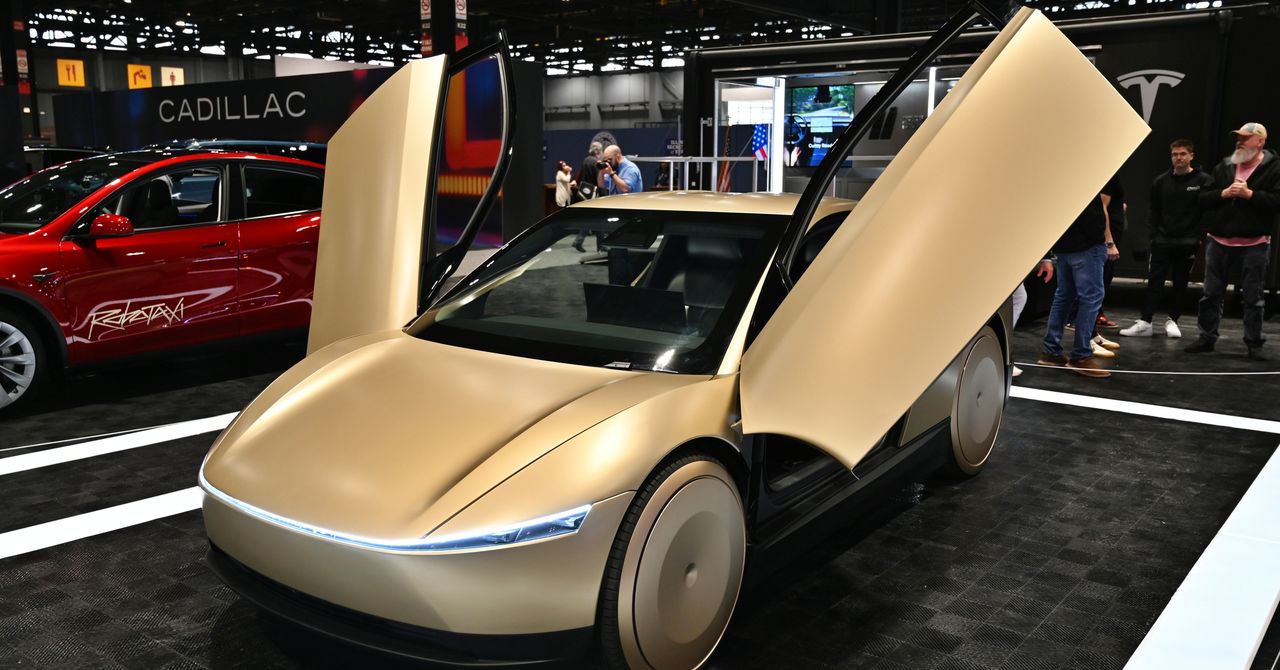
Tesla has also begun building and testing the Cybercab, a dedicated autonomous vehicle designed without a steering wheel or pedals. That vehicle is not wheelchair accessible. Tesla has promoted some accessibility-related features for the Cybercab, including braille labels on controls and seating height intended to make transfers easier for wheelchair users, according to an X post from the company’s robotaxi account.
The company and CEO Elon Musk had already gestured in this direction. Tesla added an accessibility tab to its Robotaxi app last fall, but the app points users to other local wheelchair-accessible ride providers rather than to Tesla rides. The app says Tesla is working on accessible rides. When an X user posted last fall about Tesla developing rides for disabled passengers, Musk replied, “Absolutely.”
That is still a long way from a deployed service. WIRED notes that Tesla has often taken years to turn announced products into manufactured ones. In this case, the company has not provided a vehicle design, production schedule, service plan, or regulatory path.
Robotaxi accessibility remains mostly unsolved
No US robotaxi operator offers fully driverless, wheelchair-accessible rides across its fleet, according to WIRED. At the same DC hearing, Waymo regional policy head Matt Walsh said the company has not identified a vehicle platform that both supports full wheelchair access and can meet the requirements for Waymo’s self-driving hardware. Walsh said Waymo is still trying to find one.
Waymo has pointed to accessibility features in its newest Zeekr-built Oja vehicle, including a flat floor, low step-in height, and grab bars. The vehicle is still not wheelchair accessible. May Mobility, based in Ann Arbor, Michigan, offers rides in wheelchair-accessible vehicles in some markets, but those vehicles include a human operator who helps deploy ramps.
The Americans With Disabilities Act bars discrimination against people with disabilities in transportation and requires reasonable modifications for equal access. Some US cities require ride-hailing companies to provide wheelchair-accessible service, and many companies meet those requirements through partnerships with specialized accessible fleets.
Uber is already fighting over that line. In September 2025, the US Department of Justice sued Uber, alleging the company failed to reasonably modify its policies and practices to avoid discriminating against riders with disabilities. That case is still being litigated.
General Motors’ Cruise showed a prototype wheelchair-accessible driverless taxi in 2023 and said it planned to add the vehicle to service in 2024. After a pedestrian collision, Cruise largely suspended national service in 2023. General Motors stopped funding the self-driving unit the following year.
This story draws on original reporting from WIRED.