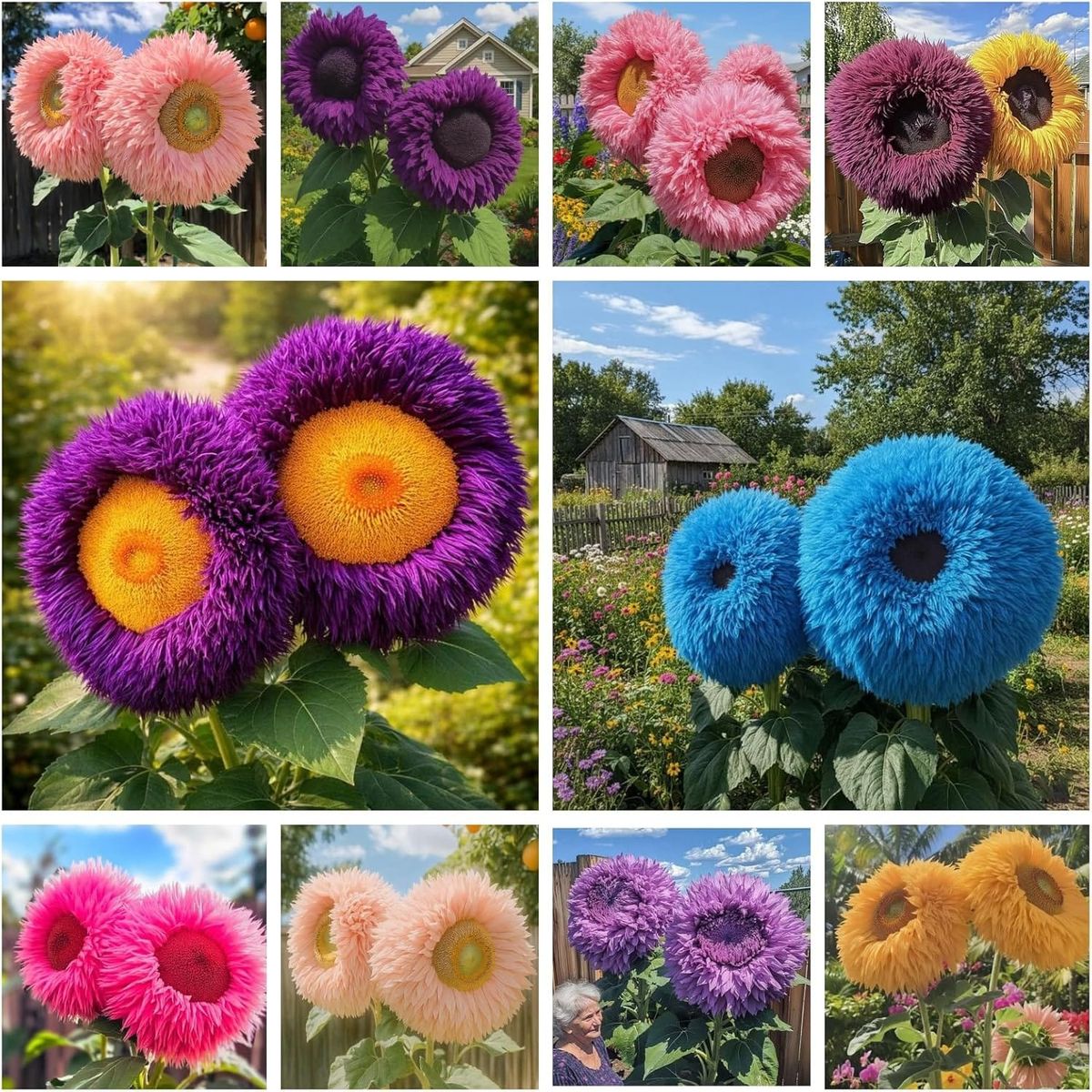
Scammers are using AI-generated plant photos to sell seeds for flowers and foliage that do not exist, according to a report by 404 Media’s Emanuel Maiberg.
The listings use glossy images of impossible plants: technicolor leaves, blooms shaped like birds and butterflies, and flowers resembling cat heads. One example cited by 404 Media showed teddy bear-shaped sunflowers used to advertise seeds for sale on Amazon.
The pitch is straightforward. A seller posts a striking image of an exotic plant, offers seeds for it, and relies on the picture to do the work. The problem, as 404 Media reports, is that the plant in the image is not a real cultivar. The seed packet cannot grow the thing being advertised because the thing being advertised was generated as an image.
404 Media identified the problem across major marketplaces including Amazon, eBay and Etsy. The report says those companies have been unable to keep up with the volume of scam plant sellers using their platforms.
AI made an old scam easier to scale
Fake seed scams did not begin with modern image generators, 404 Media notes. Sellers have long used misleading pictures to market seeds for plants that buyers would not receive. AI image tools change the economics of the grift: scammers can produce endless variations of fantasy flowers without photographing, breeding or even finding a real plant.
That matters for marketplaces because seed listings are visual products. A packet of seeds is difficult to verify from a product photo, and the advertised result may take weeks or months to disprove. By then, the seller may already have collected orders, and platforms are left moderating a category where the fraud is embedded in the image itself.
The platforms named in the report, Amazon, eBay and Etsy, are among the largest places where independent sellers can reach buyers. 404 Media’s reporting says scam plant sellers are flooding those services despite platform moderation.
The report does not say that every unusual seed listing on those sites is fraudulent. It does identify a pattern: sellers using AI-generated images of botanically impossible plants to market seeds, with major retailers failing to remove the listings at the pace they appear.
For buyers, the warning sign is the same one that makes the scam work. If a listing promises a flower that looks engineered by a children’s toy department, a fantasy illustrator and a seed catalog with no shame, the image may be doing more than exaggerating. It may be advertising a plant that cannot grow.
This story draws on original reporting from 404 Media.