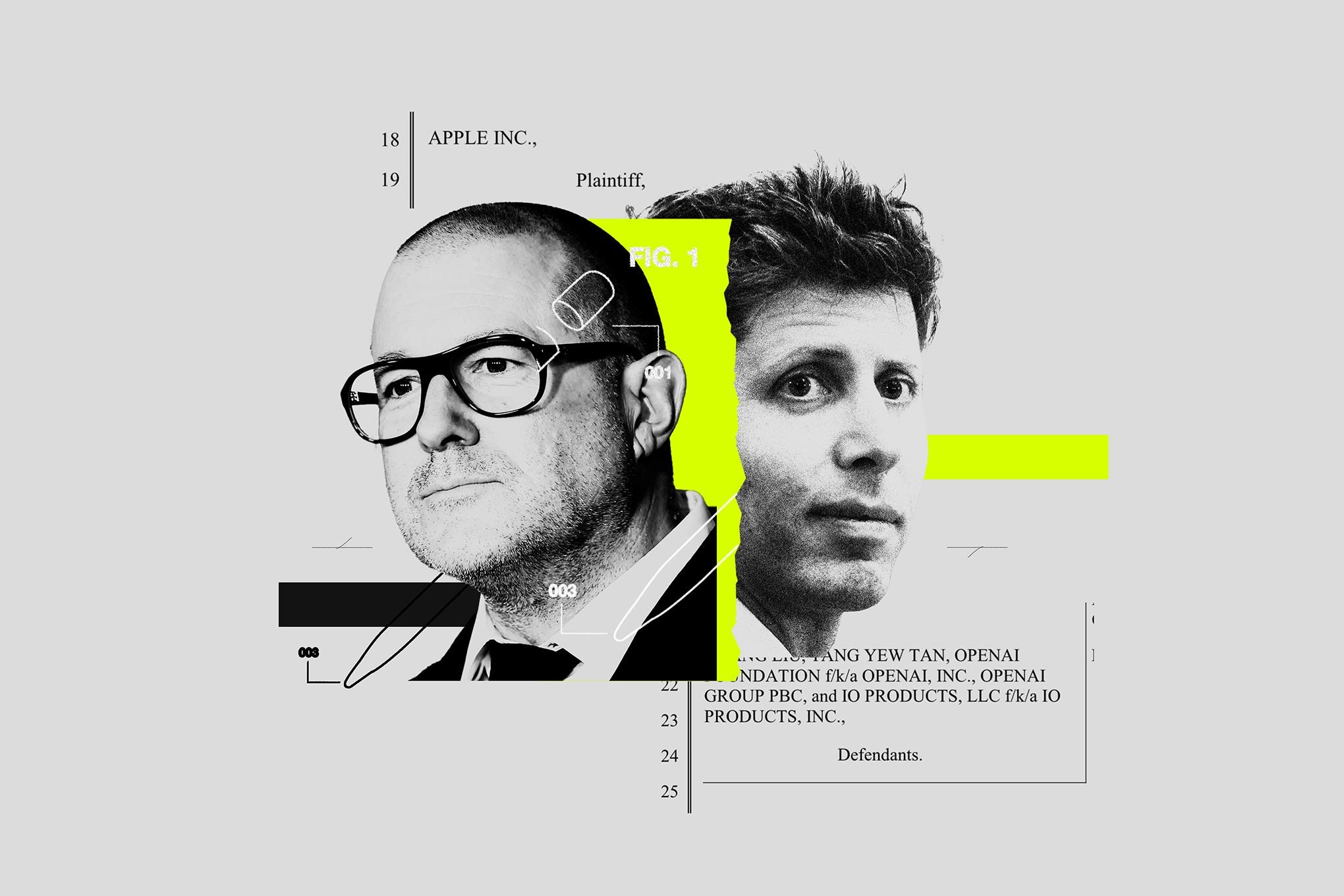
Apple’s trade secrets lawsuit against OpenAI has turned a fight over hiring into a test of whether OpenAI can build hardware without dragging Apple’s confidential playbook with it.
Apple alleges that former Apple employees working with OpenAI sought protected information during recruiting conversations and, in some cases, accessed or downloaded files tied to Apple hardware manufacturing. OpenAI has denied the allegations, according to The Verge. The company had not filed its full legal response at the time The Verge discussed the case.
The dispute lands at an awkward moment for OpenAI. The company paid $6.5 billion in 2025 to acquire io Products, the AI hardware startup associated with former Apple design chief Jony Ive, according to The Verge. OpenAI then moved deeper into consumer hardware, a field where product taste, supply-chain discipline, manufacturing detail, and integration tend to matter more than a demo video and a chatbot API.
Apple points to ex-Apple hardware talent
The Verge’s senior AI reporter Hayden Field said the complaint centers heavily on Tang Tan, a former Apple executive who spent 24 years at the company and worked as vice president of Apple Watch before leaving in 2024 for Ive’s io Products. After OpenAI bought io Products, Tan became OpenAI’s chief hardware officer, according to The Verge.
Apple claims Tan helped drive efforts to collect trade secrets, including by asking job candidates about code-named Apple projects, Field reported. Apple also alleges that candidates were asked to bring batteries or other hardware components outside Apple for a “show and tell” during interviews. One alleged message cited in the case involved a former employee accessing Apple confidential information and reacting, “LOL! So funny that I can access this,” according to Field’s account.
Bloomberg’s Mark Gurman has reported that Tan had a reputation at Apple for “playing fast and loose.” Apple’s lawsuit, as described by The Verge, does not name Jony Ive as a defendant or central actor, despite his role in OpenAI’s hardware ambitions and his history as Apple’s best-known industrial designer.
Lawyers expect a long fight
Field said lawyers who specialize in intellectual property and trade secret law told her the individual allegations are familiar in trade secret fights, but unusual in their concentration in one case involving Apple and OpenAI. Those lawyers also described Apple as a persistent litigant, a reputation backed by its long-running intellectual-property fights with Microsoft and Samsung.
Apple previously sued Microsoft over the look and feel of Windows, and later spent years fighting Samsung over smartphone patents. Samsung ultimately paid about $1 billion in damages, according to The Verge’s discussion of the litigation history. Those cases did not stop Windows, Android, or Samsung’s Galaxy phones, but they did consume time and money.
OpenAI may be less able to shrug off that burden. Field described the company as burning cash, preparing for an IPO, turning over executives, and shifting strategy toward revenue lines such as enterprise products and coding tools. The company has also folded or deemphasized some consumer projects, including Sora and Atlas, according to The Verge.
The hardware push is harder to cut loose. Field noted that OpenAI had already committed heavily to the device effort before its recent emphasis on enterprise and coding. The reported plan includes multiple devices, with a screenless smart speaker expected first, according to The Verge.
The lawsuit therefore sits directly on OpenAI’s attempt to challenge the smartphone era that Apple defined. Apple says the company crossed legal lines to obtain hardware knowledge. OpenAI denies that. A court now gets the tedious but necessary job: separating ordinary hiring from alleged trade secret theft.
This story draws on original reporting from The Verge AI.