Moonshot AI and Alibaba have announced large new AI models that they say sit near the top of the global pack, putting fresh pressure on US labs that have spent heavily to keep the frontier proprietary and chip-hungry.
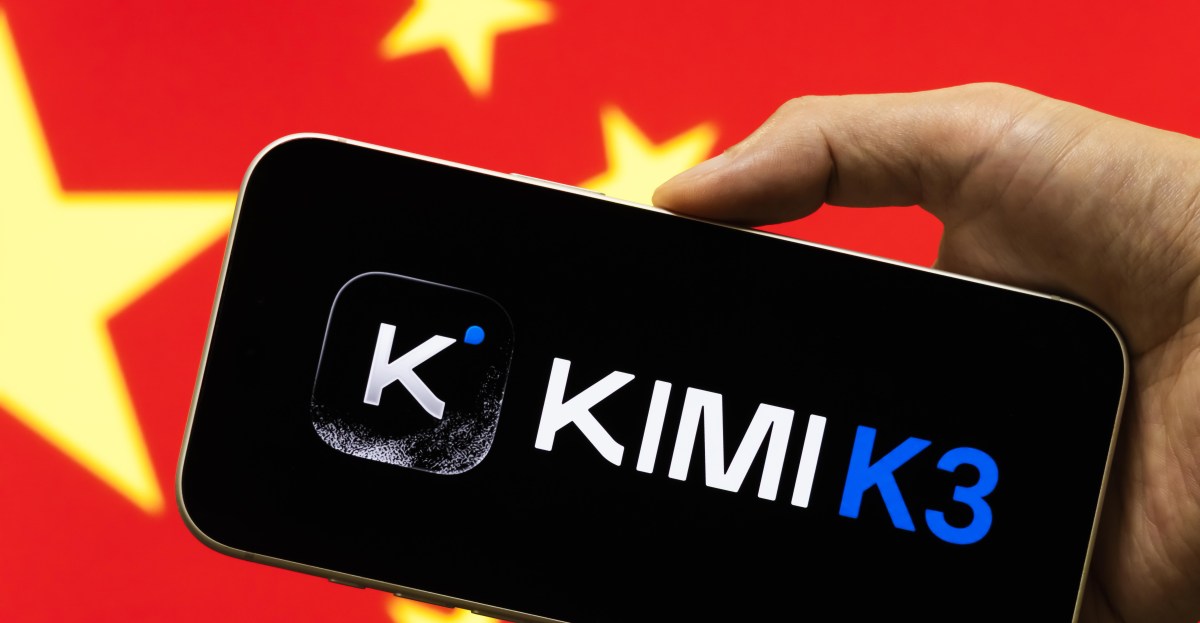
Beijing-based Moonshot said Friday that its Kimi K3 model outperformed nearly every American system in the company’s own evaluations, with only OpenAI’s GPT-5.6 Sol and Anthropic’s Claude Fable 5 ahead overall. Moonshot said Kimi K3 beat those systems on some benchmarks. Those are vendor claims, which means they should be treated like vendor claims until outside testers get the thing and try to break it.
Alibaba followed over the weekend with a preview of Qwen3.8. The company described the model as among the strongest available and said it trails only Anthropic’s Claude Fable 5. Alibaba has not yet made the full model broadly available.
The pitch is openness, with caveats
Both Chinese companies are leaning into public availability as a point of difference from OpenAI and Anthropic, whose leading models remain closed. Meta has also released downloadable models, but the latest Chinese announcements underline how open releases have become a visible part of China’s AI strategy.
Moonshot describes Kimi K3 as the largest open-source AI system in the world, with 2.8 trillion parameters. Alibaba says Qwen3.8 has 2.4 trillion parameters and is still being updated. Parameters are the numerical values a model learns during training. They roughly indicate scale, although a fatter parameter count does not automatically mean a smarter model. Model architecture, data, training methods, inference setup, and post-training all matter, which is why benchmark screenshots are a poor substitute for broad use.
Moonshot said it plans to release Kimi K3’s full model weights on July 27. Model weights are the learned internal numbers that let developers run, inspect, and adapt a model. Alibaba said Qwen3.8 will go open-weight soon, without giving a date in the announcement described by The Verge.
OpenAI and Anthropic do not disclose parameter counts for their leading systems, according to The Verge. That makes direct scale comparisons awkward, which is convenient for everyone selling a leaderboard.
A familiar policy problem for Washington
The releases arrive after DeepSeek’s low-cost model last year rattled assumptions that US companies could maintain a durable lead through larger spending on chips, data centers, and training runs, The Verge reported. Moonshot and Alibaba are now making a related argument: Chinese labs can approach top-tier performance while offering downloadable systems that other developers can modify.
That cuts against Washington’s attempt to slow China’s progress by restricting access to advanced AI chips. The US government has used export controls to limit China’s access to high-end semiconductors, and The Verge reported that Washington also forced Anthropic to withdraw its most capable system from the market over concerns that it could help foreign competitors catch up.
The immediate test is technical, not geopolitical branding. Kimi K3 and Qwen3.8 still need full release and independent evaluation before anyone can say how close they are to OpenAI or Anthropic’s best systems. If the companies’ claims hold up, the gap between US and Chinese frontier AI will look narrower, and the open-weight route will become harder for closed US labs and policymakers to dismiss.
This story draws on original reporting from The Verge.