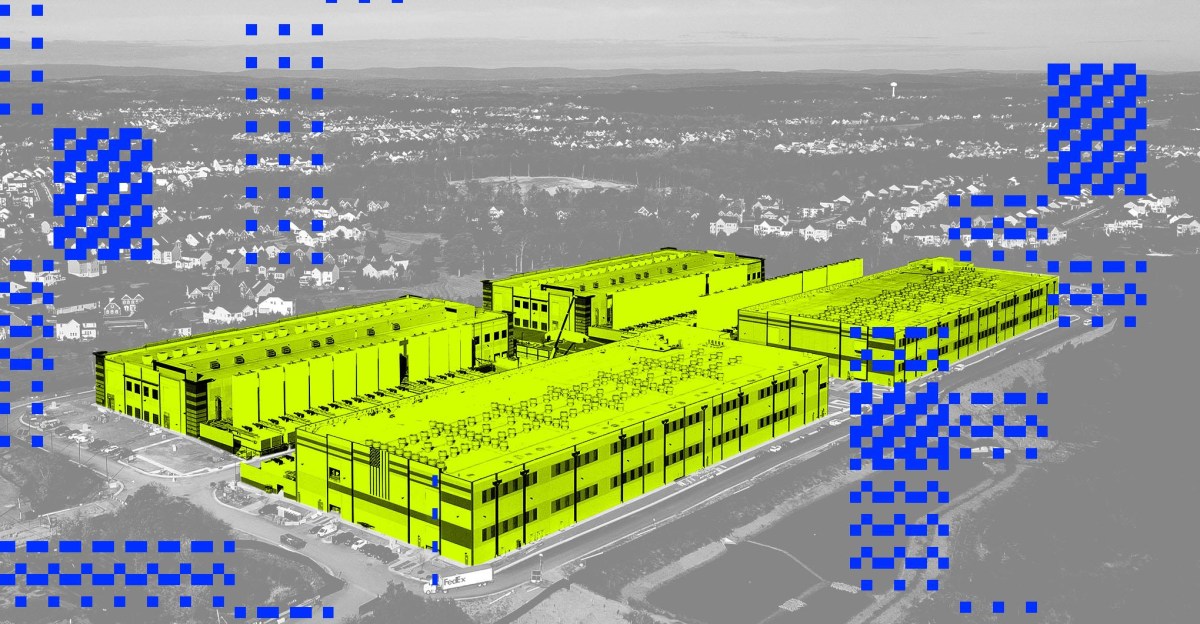
Texas’ data center grid audit is now a gate in front of new connections to the state’s main power network. On August 3, Gov. Greg Abbott directed the Public Utility Commission of Texas and the Electric Reliability Council of Texas, or ERCOT, to finish a verification and audit of data-center projects advancing through ERCOT’s interconnection process before those projects can move forward. Abbott’s office said a project that fails the agencies’ requirements or state law must be denied a grid connection.
This is an interconnection-approval pause, not a statewide order to close existing facilities or a blanket bar on construction. It applies to projects seeking to connect through ERCOT, which operates the grid serving most, but not all, of Texas. El Paso, for example, sits outside ERCOT, and facilities with on-site generation may not need a conventional ERCOT grid connection, according to the Texas Tribune.
For a refresher on why these facilities are so resource-hungry, data centers run on power, cooling and packets. That machinery is the point of the new review: regulators want the numbers before adding more large loads to the system.
What must data centers disclose in the Texas grid audit?
Abbott instructed the PUCT and ERCOT to collect information on public financial support, including state and local tax incentives, grants and abatements. Developers must also provide projected annual and peak electricity use, whether they plan to build or procure on-site generation, and measures intended to reduce demand on ERCOT’s grid.
The audit will also seek projected annual and peak water use, anticipated water sources and the cooling technology proposed for each facility. The governor’s office specified air-cooled, closed-loop and other water-efficient systems as examples. Applicants must identify efforts to limit neighborhood effects such as noise, lighting, traffic and emergency-response concerns, as well as the project’s owners and controlling interests.
Abbott’s office framed the order as a grid-reliability measure. It said ERCOT is considering more than 474 gigawatts of connection requests, more than five times the grid’s record peak demand, and that data centers make up about 90% of new power requests. Those are queued requests, not proof that all of that demand will be built or operating at once.
What happens to ERCOT data-center applications now?
ERCOT said it would work with the PUCT to carry out the directive and postpone its Batch Zero transmission-planning study, according to Houston Public Media. Batch Zero is the first study cohort in a recently approved process for large electricity users; it was meant to assess how much power could be allocated among projects in that group.
The state has not published an audit completion date, detailed pass-fail rules or a full implementation plan. The Texas Tribune also reported uncertainty over whether the directive’s audit will treat projects already in the Batch Zero review differently from the rest of the interconnection queue.
The Data Center Coalition, an industry trade group, said it hoped the review would separate responsible water and energy stewards from developers that are not, while urging the PUCT and ERCOT to move quickly. That is the industry’s preferred outcome. The agencies, not the trade group, now have to turn Abbott’s directive into a working review process.
The order builds on Abbott’s June 10 directive concerning infrastructure costs and residential electric bills. Separate recommendations from that earlier effort, including possible legislative changes, should not be confused with enacted requirements.
This story draws on original reporting from The Verge.