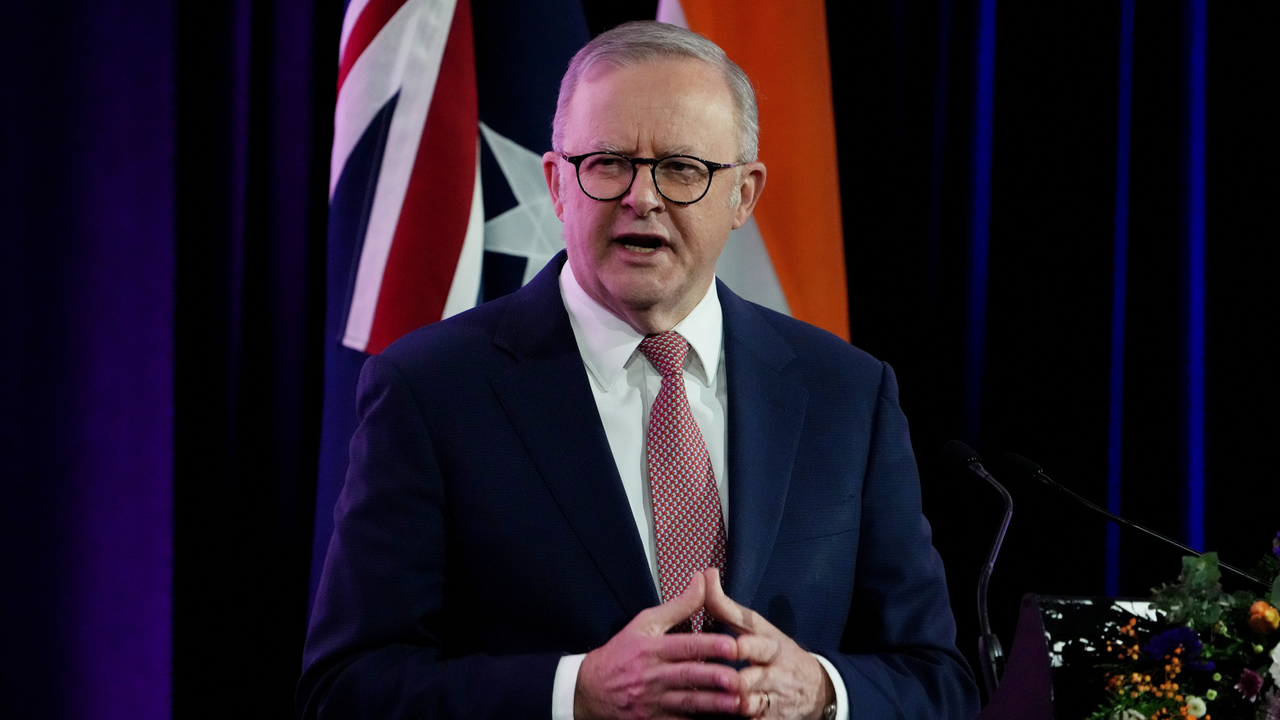
Australian Prime Minister Anthony Albanese said his government is preparing a national rulebook for artificial intelligence companies, including a requirement that AI data centers generate as much electricity as they consume.
The planned framework, which Albanese called the “Australian Standards for A.I.,” would set conditions for AI companies that want to operate in Australia. The New York Times reported that AI infrastructure firms are looking more closely at Australia because of its available land and renewable energy resources, while public resistance has complicated data center expansion in parts of the United States and Europe.
Canberra is trying to write the rules before the server farms arrive. That is the sensible time to do it, since retrofitting policy after power-hungry data halls have already plugged into the grid tends to produce bad options and worse lobbying.
Albanese said the framework would bring several disputes around AI into one national system. “Every country on earth is grappling with these challenges right now. Australia will be the first country in the world to bring these issues into a single, national framework,” he said.
Power, water and the grid
The most concrete proposal Albanese described is an energy-matching requirement. He said data centers would face a “legal obligation” to produce the same amount of power they draw, a rule intended to keep AI projects from shifting electricity costs onto households and other users.
The mechanism still needs actual regulation behind it. Albanese’s remarks, as reported, do not spell out whether companies would have to build generation on-site, contract for dedicated renewable supply, buy power through some other arrangement, or meet the obligation over a particular time period. Those details will decide whether the rule bites or becomes accounting theater.
The framework would also address water use. Albanese said the government wants AI data center projects to be as water efficient as possible. That concern is not decorative in Australia. The International Groundwater Resources Assessment Center describes Australia as the driest populated continent, and large data centers can require substantial water for cooling depending on their design and location.
Creators’ rights are part of the package
Albanese also linked AI infrastructure policy to copyright and training data. He said Australian creators, including writers, musicians, artists and journalists, should keep control over the value and pricing of their work when it is used to train AI systems.
“Anything less is theft. No country has got this right yet,” Albanese said.
That is a strong line from the prime minister, although the legal machinery is still missing. The reported proposal does not yet say how creators would grant permission, how payment would be calculated, or how AI companies would prove what material they used for training.
Some business groups supported the government’s stated aims while warning that heavy regulation could cause Australia to lose AI-related opportunities, according to the reporting. Toby Walsh, a University of New South Wales professor who specializes in artificial intelligence, told The Times that Albanese was addressing issues many Australians care about, including the buildout behind AI systems.
Walsh also pointed to the part officials now have to write down. “The devil will be in the details exactly what they do,” he said.
This story draws on original reporting from Tom's Hardware.