Households should prepare for two different disaster modes: leaving fast with a bag that can keep people alive for a few days, and staying put while the grid or water system fails. That is the practical line from disaster-preparedness experts cited by WIRED, and it is less prepper theater than municipal-infrastructure math.
Jonathan Sury, a senior staff associate at Columbia University’s National Center for Disaster Preparedness, told WIRED that emergency planning should account for both a quick evacuation and a shelter-in-place event. A fast wildfire evacuation calls for a portable kit with basics such as water, water-treatment supplies, a flashlight and batteries. A severe storm may leave a family at home with no electricity, no reliable tap water and a sudden appreciation for charged power banks.
Charlie Woodrum, preparedness lead at the National Weather Service, told WIRED that families should assume they could lose power for several days, or as long as a week, and could lose water too. He made that point before a severe U.S. winter storm season, but the same failure pattern applies to earthquakes, wind events and fires.
Water is the first boring problem
Sury and other preparedness experts recommend storing one gallon of water per person per day, WIRED reported. That is not just drinking water. It also covers cooking, sanitation and the rest of the unglamorous uses that become obvious after the taps stop behaving like civilization.
Sury keeps a week of water available at home, according to WIRED. Household bleach can disinfect water in an emergency, but the Environmental Protection Agency publishes dosing instructions, and guessing at chemistry during a disaster is a bad hobby. Woodrum also told WIRED that filling a bathtub before a storm can provide usable water, though standing water should be purified before drinking.
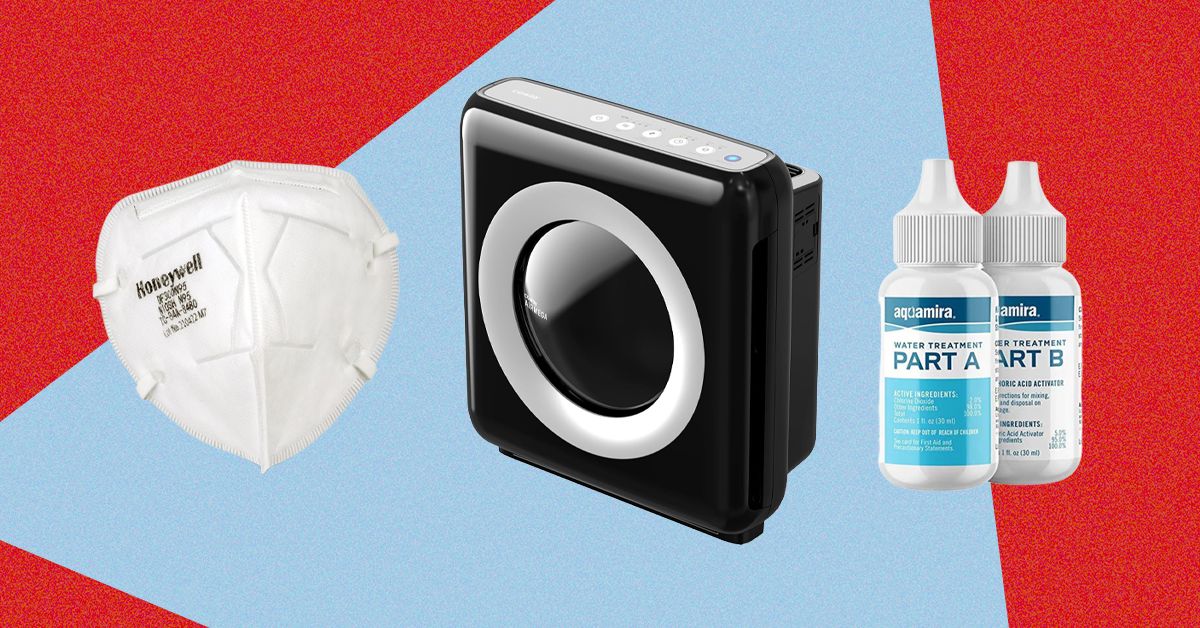
For a car kit or go bag, carrying a week’s worth of water is usually not realistic. WIRED’s guide points to filters and chemical treatment options for refilling from uncertain sources. It cites Aquamira water treatment drops, Aqua Tabs, filtered bottles from Katadyn and Clearly Filtered, and Lifestraw’s personal filter as examples of portable options.
Wildfire planning now includes the house and the air
The wildfire advice goes beyond stuffing gear into a backpack. Amanda Stasiewicz, a University of Oregon wildfire expert, recommends preparing the home before an evacuation, WIRED reported. She points to guidance from the nonprofit Institute for Business and Home Safety, including clearing flammable material within five feet of a home. That includes easy-to-ignore fuel such as doormats and potted plants.
WIRED also added wildfire-specific updates in April 2026 based on advice from University of Oregon wildfire experts Heidi Huber-Stearns and Stasiewicz. Those updates included wildfire-awareness app Watch Duty and supplies for a quick indoor air setup: MERV 13 filters and a box fan. That kind of filter-fan rig is not a luxury product pretending to be resilience. It is a basic particulate-control hack for smoke events when commercial air purifiers are unavailable or unaffordable.
The kit is a system, not a shopping cart
WIRED’s emergency list also covers food, portable stoves, power banks, lighting, first-aid supplies, sanitizer, medical items, document backups, emergency radio, phone apps, pet planning, games for children and paper maps. The Federal Emergency Management Agency maintains an emergency kit checklist, and Columbia University offers an online preparedness wizard for household-specific planning.
The advice has limits. WIRED frames the kit as short-term disaster preparation for storms, floods, earthquakes, wildfires and failures in water or power systems, rather than a fantasy manual for societal collapse. It also notes that the strongest form of emergency preparation can be local and deeply analog: knowing the neighbors who may have tools, information, transport or a working outlet when your own systems fail.
This story draws on original reporting from WIRED.