Fortinet’s FortiGate FG-60F is getting the teardown-and-test treatment from ServeTheHome, which put the appliance beside the smaller FG-40F and ran gateway workloads using Keysight CyPerf. For small offices, branch sites and edge deployments, the useful part is less the logo on the lid and more the box Fortinet ships: a fanless desktop firewall with 10 Ethernet ports and enough labeling to keep a harried install from becoming cable archaeology.
ServeTheHome described the FG-60F as similar in many ways to the FG-40F it reviewed earlier, although the site said the larger unit differs in construction. The review focused first on the external hardware, showing a white, fanless chassis intended to sit on a desk or shelf rather than in a rack.
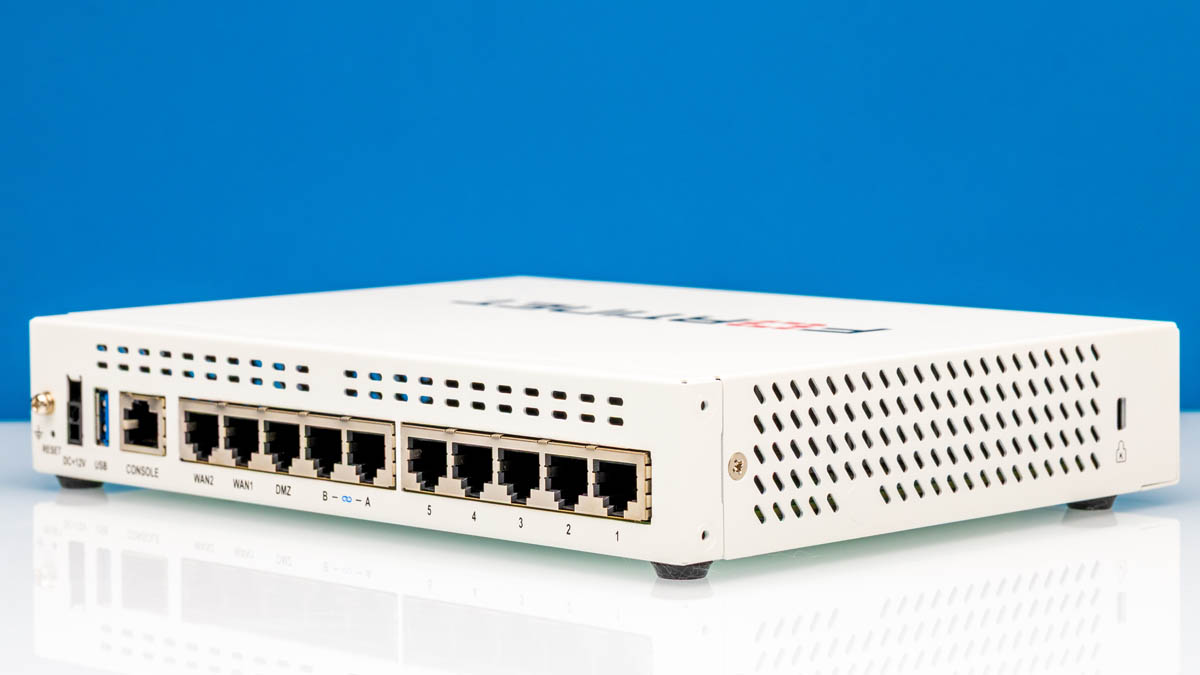
The front of the appliance carries the Fortinet branding, model marking and indicator lights. ServeTheHome noted separate LEDs for power, system status and high availability status, plus port-status indicators. The port LEDs and the physical network ports sit on opposite sides of the unit, a layout that can be convenient or annoying depending on how the firewall is placed and how often someone has to read the lights while touching cables.
Ten Ethernet ports, clearly split by role
On the rear, the FG-60F includes a reset button and a 12-volt DC input. ServeTheHome called out the latched power connector as a practical design choice also seen on some SonicWall gear, because it helps keep the power lead from popping loose in edge installations where nobody is lovingly dressing cables with data-center discipline.
The rear I/O also includes USB and console ports. ServeTheHome said it used the console connection after a firmware update stalled, allowing the reviewer to interrupt boot during recovery. That is the sort of port nobody wants to need and everybody should be glad exists.
The network layout includes WAN2, WAN1 and DMZ labels, two FortiLink-labeled ports and five LAN-labeled ports, making up 10 Ethernet ports in total. ServeTheHome noted that the ports are configurable, so the printed labels are defaults and deployment hints rather than hard physical roles.
Physical details for edge deployments
The FG-60F has side ventilation, bottom vents and rubber feet, according to ServeTheHome’s hardware walkthrough. One side also includes a lock point. For a small firewall meant to live outside a locked rack, that detail is more than cosmetic: the site framed physical retention as part of the edge-deployment problem, even if the immediate goal is just keeping the box in the building.
ServeTheHome also pointed readers to Amazon availability, while warning buyers to choose the license and term bundle they need. That caveat matters with Fortinet appliances because the hardware is only one part of the purchase. The security services and support term determine what features and updates the owner actually gets.
The review does not turn the FG-60F into a mystery machine. Based on the hardware tour, it is a larger sibling to the FG-40F with more labeled network options, a fanless case, recovery-friendly console access and deployment-minded touches. The performance claims are tied to ServeTheHome’s Keysight CyPerf testing, but the supplied hardware details already show the appliance’s basic pitch: Fortinet built a compact gateway for places where one little white box is expected to be router, firewall and branch-office bouncer.
This story draws on original reporting from ServeTheHome.