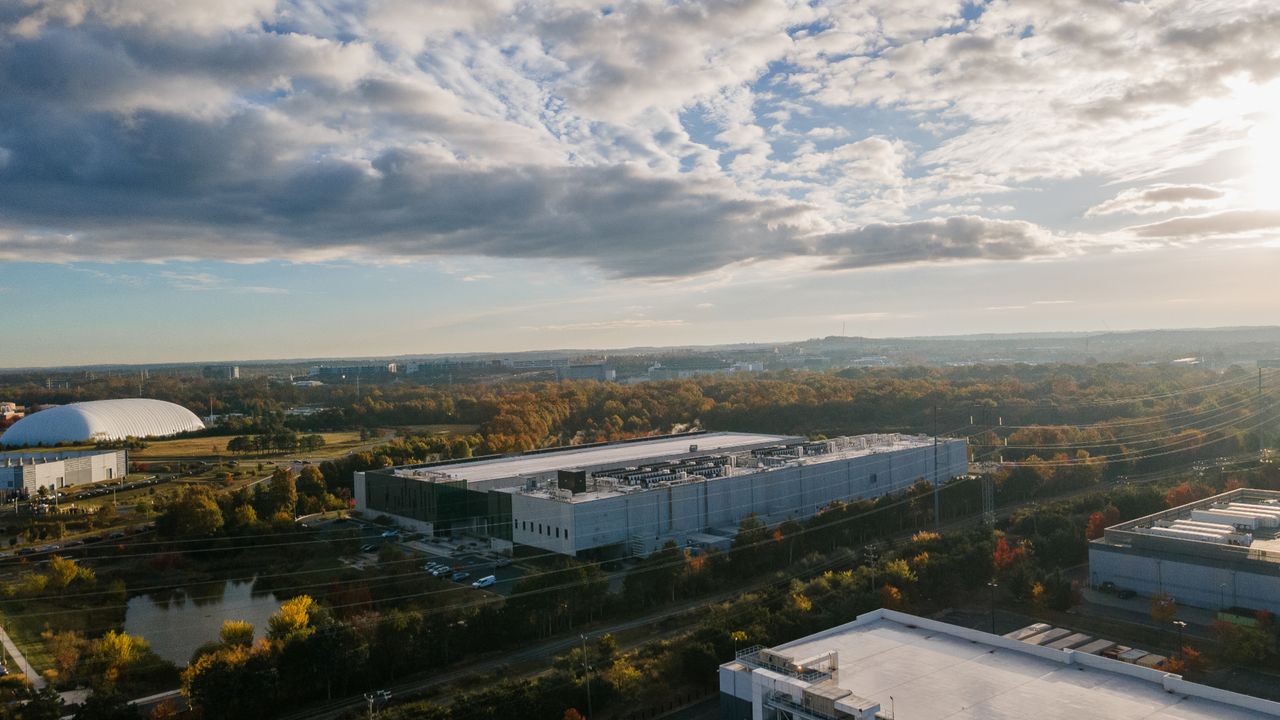
Meta said it will expand its Hyperion AI data center campus in Richland Parish, Louisiana, to 5 gigawatts of capacity, more than doubling the 2-gigawatt plan it announced in December 2024. The company said the larger buildout lifts its planned investment in the region above $50 billion.
For Richland Parish residents, the expansion means more construction, more tax and utility arguments, and a much larger industrial load sitting on the local grid. Meta also said it plans to spend more than $1 billion on local infrastructure tied to the project, including roads, water systems, and wastewater systems.
Meta had already signaled the 5-gigawatt target. Chief executive Mark Zuckerberg said in July 2025 that Hyperion would eventually reach that scale. The new announcement attaches that target to updated spending, contract, jobs, and public infrastructure figures.
Local money, with strings attached
Meta said Louisiana businesses have received more than $1.6 billion in contracts since construction started. The company also pointed to teacher bonuses in Richland Parish, saying they rose from $10,000 last year to more than $50,000 this year because of higher tax revenue connected to the data center.
The political bargain is not one-sided. Louisiana Governor Jeff Landry signed a 20-year sales tax exemption in late 2024 for data centers built before 2029, a measure aimed at attracting Meta. The law lets qualifying data centers avoid sales and use taxes on eligible equipment.
Meta is also expected to benefit from Louisiana’s Quality Jobs program and from a payment-in-lieu-of-taxes agreement that could lower its property tax burden if the company hits investment and employment targets. In plainer terms: the project can produce new public revenue while also receiving substantial public support.
The power bill problem
A 5-gigawatt data center campus is an electrical project as much as a computing project. Meta’s agreement with Entergy Louisiana includes natural gas plants with more than 5.2 gigawatts of capacity and support for as much as 2.5 gigawatts of new solar generation.
Entergy has said Meta’s payments could save other customers about $2 billion over 20 years. That figure is a projection, not a delivered saving. It also lands in the middle of a wider fight over whether AI data centers make nearby households and small businesses subsidize new grid infrastructure through higher bills.
Hyperion was first announced as a $10 billion, 4-million-square-foot campus in December 2024. Meta has described it as infrastructure for training and running future AI models, and Zuckerberg has tied the site to Meta Superintelligence Labs, the company’s AI division.
In October 2025, Meta and Blue Owl Capital announced a joint venture that valued Hyperion’s buildings and infrastructure at about $27 billion. Blue Owl owns roughly 80% of that venture, while Meta keeps about 20% and leases the finished facilities. Meta’s latest announcement raises the regional investment figure beyond $50 billion, but the company did not give further detail on what the expansion means for that joint venture.
Hyperion is one piece of Meta’s broader AI infrastructure spree. The company is forecast to spend as much as $145 billion on capital expenditures in 2026, mostly for AI infrastructure. Meta has also said it will cut 8,000 jobs to help pay for that buildout.
This story draws on original reporting from Tom's Hardware.