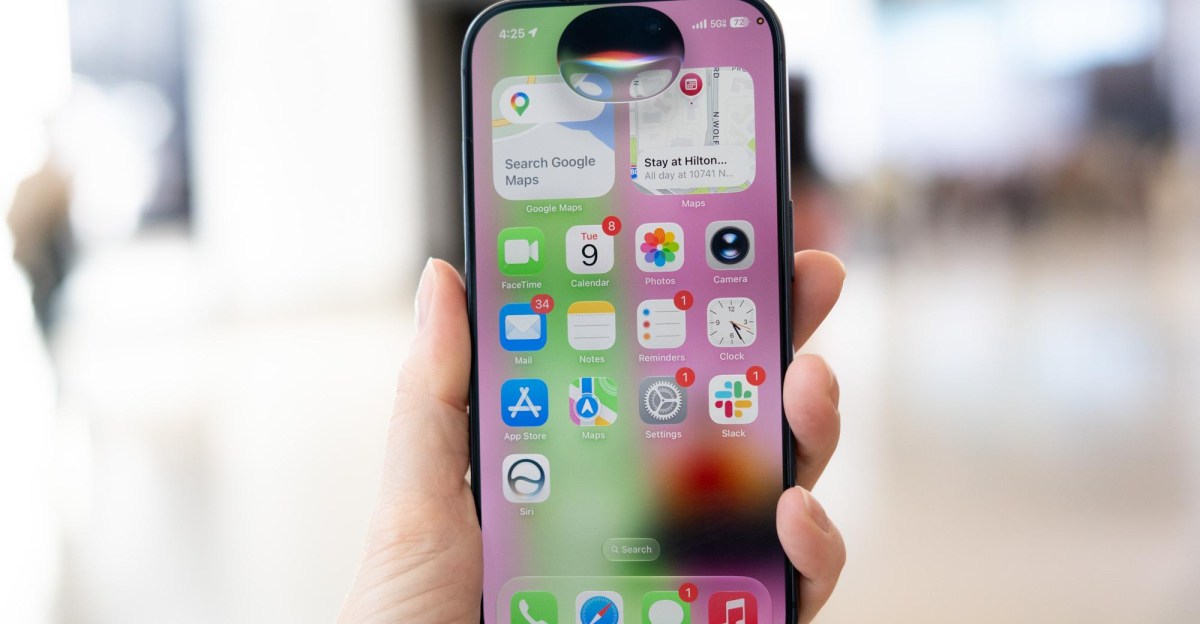
Apple has built code into an iOS 27 beta that could let the company restrict a financed iPhone if payments fall behind, according to 9to5Mac. For customers, the practical effect would be blunt: the phone in their pocket could keep working only in a narrow, Apple-defined way until the financing problem is resolved.
9to5Mac reported that the beta refers to a “Restricted Mode” for financed devices. If triggered, that mode would cut off access to almost all apps. The reported exceptions are basic system functions such as Phone, Settings, and the App Store. That is less a polite reminder to pay a bill than a software clamp on the device’s normal usefulness.
The mechanism described by 9to5Mac relies on a new system called “App Managed Features.” Under that setup, financing or partner apps would be able to keep checking whether a financed iPhone remains in good standing. If the device fails that check, iOS could place it into the restricted state.
The code discovery landed alongside a separate Bloomberg report that Apple is preparing a new “Apple Upgrade” financing program for leasing new devices. Apple has not announced that program, and the iOS 27 features described by 9to5Mac are still in beta. Beta code is not a product launch. Apple can rename, alter, bury, or remove features before public release, as it often does when internal plumbing surfaces early.
A lock aimed at resale and parts stripping
9to5Mac also reported that the beta includes a “Partner Finance Lock.” That lock is meant to stop people from erasing, reselling, or dismantling a restricted device for parts, according to the report. The feature is reportedly tied to Find My, Apple’s device-location and anti-theft system.
That connection raises an obvious privacy question, because Find My is where Apple already handles location-related device controls. 9to5Mac reported that the finance lock would not give financing partners access to the iPhone’s location. On the facts reported so far, the partner’s role appears to be status enforcement, not tracking.
The distinction still leaves plenty unresolved. A financed iPhone can already be economically complicated: a buyer may possess the device, while a lender or partner has an interest in whether it gets paid off. Apple’s reported approach would put that dispute directly into iOS, giving the operating system a way to degrade the device if the financing account is no longer current.
Apple did not immediately respond to a request for comment, according to The Verge. Without confirmation from Apple, the open questions are the ones that matter: which partners could trigger the lock, what notice users would receive, what appeal or correction process would exist, and whether the feature would apply only to a new Apple leasing plan or to other financing arrangements as well.
For now, the evidence is code in a beta and reporting from 9to5Mac, plus Bloomberg’s separate account of Apple’s planned device-leasing push. That is enough to show Apple is at least testing finance enforcement hooks inside iOS. It is not enough to know how aggressively Apple plans to use them, assuming they ship at all.
This story draws on original reporting from The Verge.