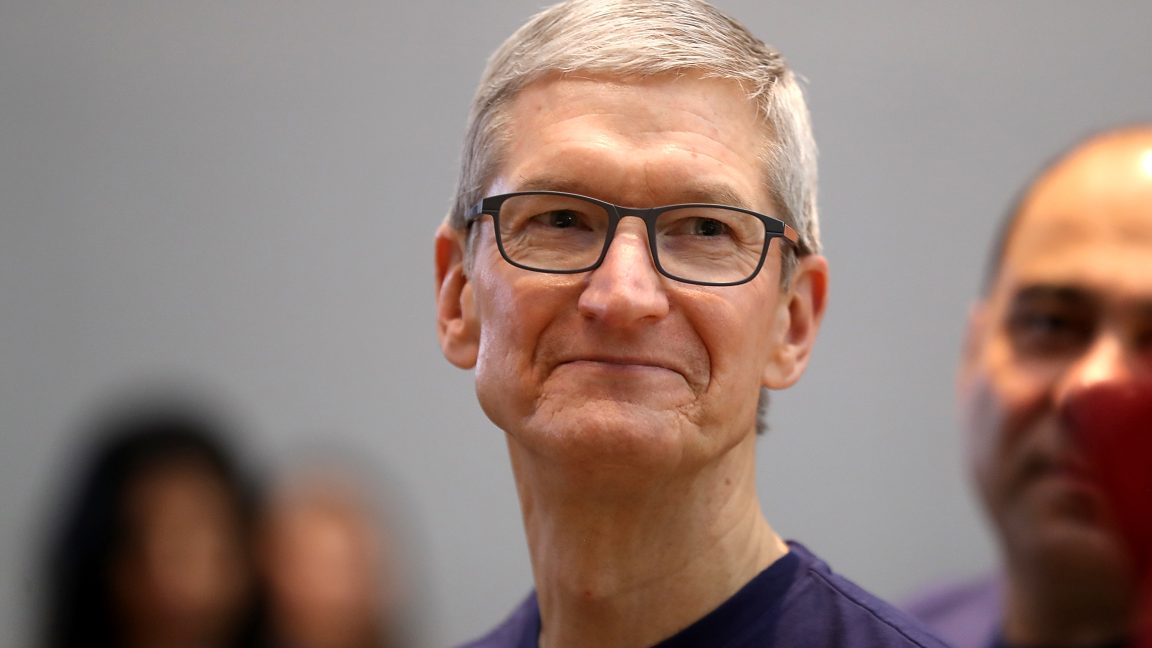
Apple Q3 2026 earnings gave Tim Cook a strong iPhone number for his final conference call as CEO, but the company’s clean-looking quarter came with two scratches investors could not ignore: softer services revenue and rising memory costs.
Apple reported $109.42 billion in revenue for the quarter. The iPhone remained the engine, bringing in $54.25 billion after Apple said sales rose 22 percent. Mac revenue reached $10.35 billion, iPad revenue was $6.19 billion, wearables came in at $7.88 billion, and services produced $30.74 billion.
Services includes businesses such as Apple TV, Apple Music, AppleCare, and iCloud. Ars Technica reported that the services figure disappointed experts who had expected more from a segment investors often treat as Apple’s smoother, higher-margin counterweight to hardware cycles.
The Mac also had a strong quarter across many regions, according to Apple. The company partly credited demand for the MacBook Neo, a lower-cost entry in the MacBook line that uses a phone-derived processor. That kind of product only makes sense because Apple controls much of its silicon stack, a shift tied to the broader Arm vs x86 split in PCs and mobile devices.
Why did Apple stock fall after Q3 2026 earnings?
Apple’s shares fell about 8 percent in after-hours trading even though iPhone and Mac revenue were strong. Investors appeared to be weighing those gains against weaker-than-hoped services revenue and management’s warning that memory costs are still climbing.
Memory is a basic input for phones, laptops, tablets, and plenty of other hardware. When supply tightens and prices rise, Apple either absorbs the cost, raises prices, changes product configurations, or accepts pressure on sales and margins. None of those is a magic trick, despite how often tech earnings calls try to sound like one.
Apple has already increased prices on many products because of the global imbalance between memory supply and demand, according to Ars Technica. The company has not yet raised iPhone prices, but Cook told analysts on the call that Apple expects memory costs to keep increasing into the next quarter and beyond. He said the situation could continue to affect the business.
The timing matters. The latest quarter included some effect from higher component costs, but may not show the full impact. If Mac prices climb too far, some potential buyers may delay purchases in the hope that conditions improve and prices come back down.
What changes after Tim Cook’s last earnings call?
Cook used the call to mark the leadership handoff. He told shareholders and analysts that it would be his final earnings call and said John Ternus will lead future calls starting next quarter.
Cook said the transition is going smoothly and expressed confidence in Ternus, Apple’s executive team, and the company’s employees. After that, the call returned to the usual earnings-call machinery: revenue lines, investor questions, component costs, and the uncomfortable fact that even Apple has to buy memory from the same constrained supply chain as everyone else.
This story draws on original reporting from Ars Technica.


