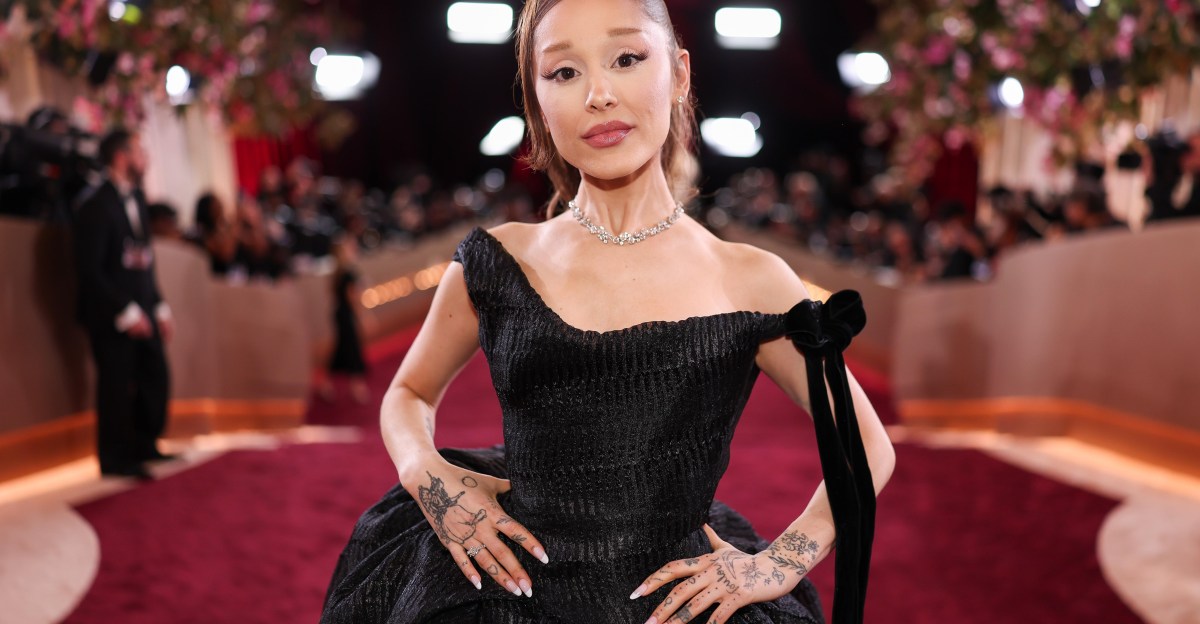
The Ariana Grande hacking lawsuit filed Monday in Los Angeles County Superior Court targets unidentified people accused of breaking into accounts and devices tied to her collaborators, then leaking unreleased music, videos and photos. The complaint names the defendants as John Doe 1 and John Does 2 through 100 because Grande says she does not yet know who they are.
According to the lawsuit, the alleged hacking campaign has hit private material connected to Grande for years. The complaint says 45 unreleased songs were stolen and leaked in 2023 alone, and that hundreds of leaks involving her work have occurred since her 2011 music debut.
The material described in the filing goes beyond finished tracks. Grande alleges the stolen files included unfinished masters, demos, footage from studio sessions, music videos, behind-the-scenes photos and videos, plus outtakes from albums and photo shoots.
Why is Ariana Grande suing hackers?
Grande is asking the court to help identify the unknown defendants and hold them responsible for allegedly obtaining and distributing private creative work without authorization. The lawsuit claims the hackers sold some material and posted other files on platforms including X, TikTok and YouTube.
The complaint frames the case as both a privacy matter and a computer-access case. It accuses the unidentified defendants of invading Grande’s privacy and violating California’s Comprehensive Data Access and Fraud Act, the state law used against unauthorized access to computers, accounts and data.
That law has shown up in other technology fights, including Sony’s lawsuit against George Hotz and Meta’s lawsuit involving Pegasus spyware, according to The Verge. In plain English, it is the California statute plaintiffs use when they say someone got into a system or account they had no right to access. The court fight here starts with the awkward first step: finding the people behind the accounts and leaks.
How did the alleged hacks work?
The lawsuit does not describe one grand movie-villain intrusion into Grande’s own vault. It alleges a more ordinary and annoying pattern: attackers went after people around her, including producers, photographers and technicians who had access to private files.
As Variety reported, the complaint lists several incidents involving Grande’s collaborators. In 2019, the lawsuit says hackers obtained photos from a photographer’s Dropbox account. In 2020, it says unreleased footage was taken from a producer’s hacked mobile device. In 2024, the complaint says phishing emails were used to get unreleased photos from a technician who worked with one of Grande’s photographers.
Phishing is the low-glamour workhorse of account compromise: a target is tricked into handing over credentials or access, often through a message that appears legitimate. The lawsuit’s version of events, if proven, would mean the attackers exploited the loose edges of a celebrity production chain, where unreleased media often sits with multiple vendors before the public ever sees it.
Grande’s complaint does not identify the alleged hackers by name, and the defendants have not been publicly named in the filing described. For now, the case is aimed at turning anonymous leak activity into names a court can actually act on.
This story draws on original reporting from The Verge.


