The Brandon Klayme conviction overturned by the Nova Scotia Court of Appeal began with a character-level failure: police sought records for a Kik username with one underscore when the account in the Wisconsin investigation had two. The court said Klayme, a Nova Scotia man, was “factually innocent” and should not have faced the charges.
Klayme had already served an 18-month prison sentence by the time the mistake surfaced during appeal preparations. The court set aside his conviction, entered acquittals on all charges, and vacated the sentence, including probation, according to its decision.
How did a Kik username typo lead to Brandon Klayme?
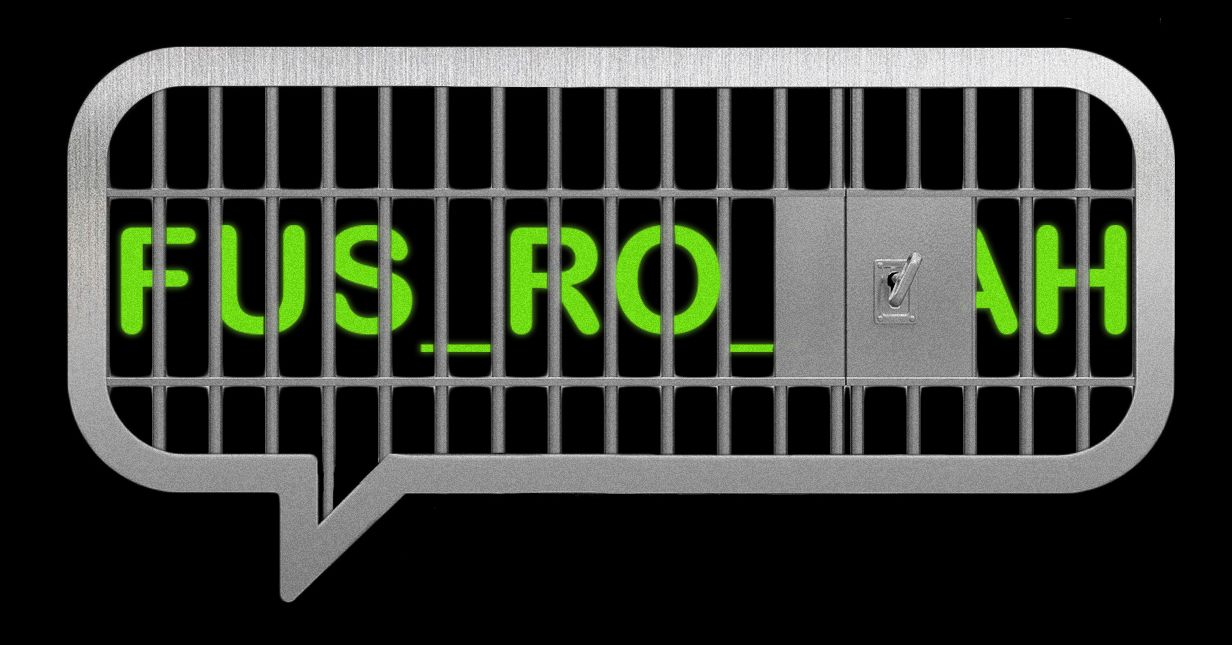
The case started in 2018 in Dane County, Wisconsin, after the mother of a 12-year-old girl found an inappropriate image on the girl’s phone and contacted local police. The Dane County Sheriff’s Department examined the phone and identified 125 Kik messages with an adult account using the name “fus__ro_dah,” with two underscores after “fus,” according to the court record.
Investigators then asked Kik for information about the account. The subpoena, however, requested data for “fus_ro_dah,” with one underscore after “fus.” Kik returned an email address tied to Klayme, not to the account identified in the phone extraction.
That small mismatch carried the case across a border. Google records associated the email address with access from a Canadian IP address, and Dane County investigators passed the matter to Halifax Regional Police. Halifax police took the IP address to Bell Aliant, which identified Klayme as the subscriber at the relevant physical address, according to the decision.
The usernames are a riff on “Fus Ro Dah,” the Unrelenting Force shout from The Elder Scrolls V: Skyrim. In a database query, though, fandom does not matter. One underscore changed the target.
What police found on Klayme’s devices
Halifax police obtained a warrant, searched Klayme’s home, and seized phones and laptops from his bedroom. The searches did not produce evidence tying him to the Wisconsin girl, according to the court. Police found no intimate images connected to the case and no proof that Klayme had used Kik during the relevant period, even though he did have a Kik account.
Klayme was still arrested in 2020 and charged with luring a person under 14 by telecommunication, providing sexually explicit material to a child, and possession of child pornography. He was convicted after trial in 2023 and sentenced in 2024 to 18 months in prison.
The username problem was not raised at trial. Klayme later said in appeal materials that the subpoena error was discovered only in the late stages of preparing his appeal, and that the discrepancy had not been brought to the trial judge’s attention.
What the appeal court decided
After the mistake was identified, prosecutors reviewed the case again and agreed the appeal should succeed, according to the Court of Appeal. The court said a proper investigation would have pointed to another person: “an individual whose first name is Jay whose IP address appears to be in California.”
The Court of Appeal said the record did not explain how the error survived for years. “Although the information about the usernames was available at the time of the trial, there is no evidence confirming or explaining how it went unnoticed,” the court wrote.
The ruling is a grim little lesson in digital evidence hygiene. Usernames are identifiers only if investigators copy them exactly, service providers respond to the right request, and lawyers check the string before a person loses his liberty. In Klayme’s case, the court has now said that did not happen.
This story draws on original reporting from WIRED.