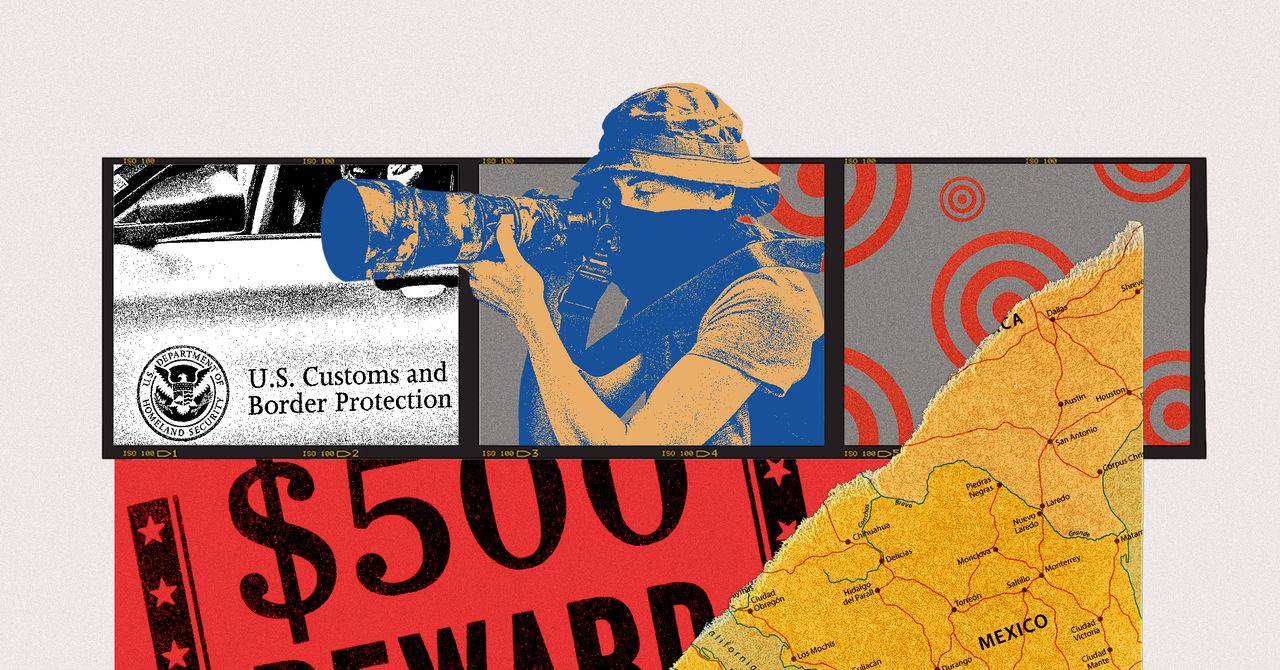
CBP overseas debt recovery is moving toward private contractors, according to procurement records reviewed by WIRED. U.S. Customs and Border Protection is seeking tracing and payment-recovery services in Mexico, Honduras and Guatemala, with possible expansion elsewhere, to find people who have left the United States and pursue fines or penalties the agency says they owe.
The program, called Tracing and Payment Recovery Services, has a ceiling of $9 million over two years, WIRED reported. That is a spending cap for the planned work, not evidence that CBP has chosen vendors or that investigators have begun operating abroad.
What would CBP contractors do overseas?
The records call for commercial-data checks and physical observation to establish where a person lives. A photograph of a residence is listed as one acceptable form of corroboration. Other listed records include utility bills, employment files, court documents and, where applicable, a death certificate. CBP can also accept other material it considers relevant and credible, according to WIRED.
Contractors would also hand over a CBP-approved printed notice, in English and Spanish, that lists the fines and fees the agency claims remain unpaid. The documents do not establish that contractors could arrest, detain or otherwise compel the people they locate. The evidence also does not show that Mexico, Guatemala or Honduras agreed to cooperate.
WIRED reported that CBP’s existing three collection agencies had tried letters and telephone calls to reach people outside the United States but had not located anyone abroad as of July. The same documents estimated that 66,387 people removed from the country carried unpaid CBP fines and penalties at that point.
DHS did not provide a comment before WIRED published its report, after CBP referred questions to its parent department. The foreign-affairs agencies of Mexico, Guatemala and Honduras also did not answer WIRED’s questions about prior consultation or cooperation.
How does this differ from ICE’s tracing programs?
“Bounty hunters” is a political and journalistic label, not the name in the CBP records. It should not be used to blur together several separate efforts. This reported CBP program concerns people already outside the United States, residence verification abroad and delivery of claimed-debt notices.
- Separate ICE skip-tracing work described by The Intercept concerns locating immigrants inside the United States through data tools and in-person surveillance.
- ICE’s separate Safety Verification Initiative involves visits to U.S. addresses connected with unaccompanied children and former unaccompanied minors. DHS told Scripps News that initiative is intended to protect vulnerable children from abuse and exploitation.
The private-contractor model has drawn criticism from immigration advocates and lawmakers over privacy, due process and oversight. Those are objections, not findings that the reported CBP plan is unlawful.
DHS separately says its CBP Home app offers eligible people who voluntarily depart travel support, a $2,600 exit bonus after return is confirmed, and forgiveness of failure-to-depart fines. The agency’s public page does not say that every immigration-related fee or penalty is waived.
This story draws on original reporting from WIRED.