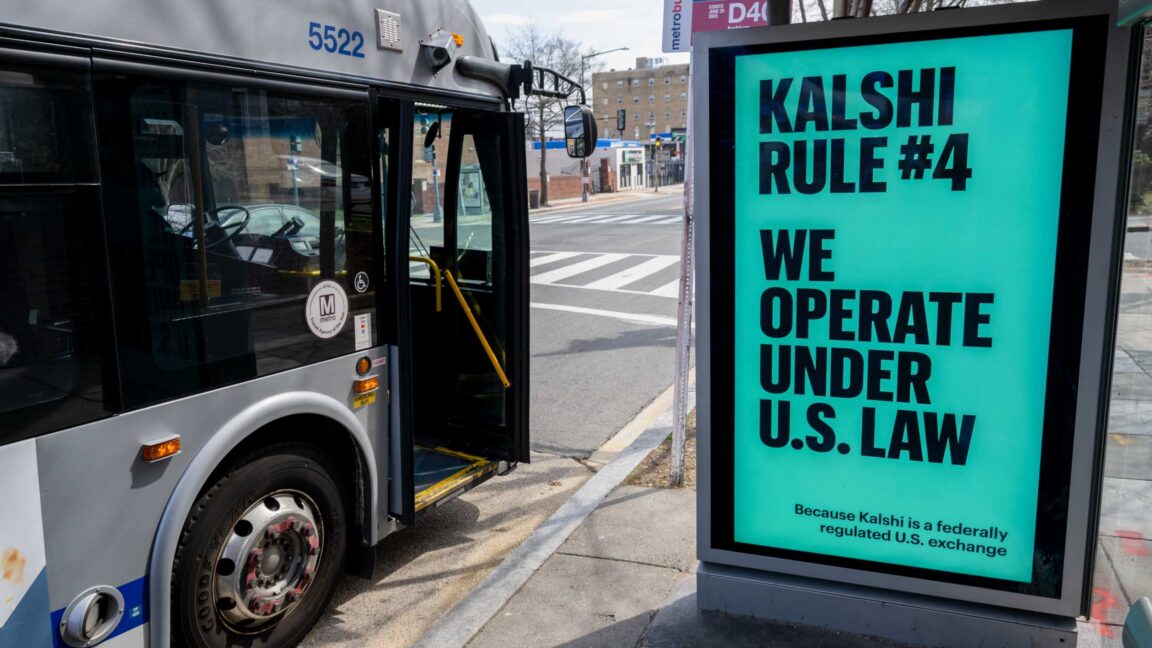
The CFTC Kalshi New York order gives the prediction-market platform a federal instruction to continue operating in the state while New York tries to shut it down in court. The Commodity Futures Trading Commission said August 11 that it had invoked emergency authority after a request from Kalshi, describing the situation as a “market emergency” and saying the order was meant to protect market stability.
The agency directed Kalshi to keep operating under the Commodity Exchange Act’s core principles. That is an intervention by a federal regulator, not a ruling that New York’s gambling laws cannot apply. The underlying cases, including New York Attorney General Letitia James’ state-court lawsuit, remain unresolved.
Can the CFTC order stop New York from enforcing gambling laws against Kalshi?
Not conclusively. The CFTC argues that Kalshi’s event markets are interstate financial markets under its exclusive authority. New York argues that it retains its traditional police power to regulate gambling. A court, rather than the agency’s emergency order, will have to decide the reach of federal preemption in this dispute.
James sued Kalshi on July 31 in Manhattan state court, alleging that the company runs an illegal, unlicensed gambling operation because it has not obtained a New York State Gaming Commission license. The state says users trade or wager on outcomes involving sports, elections and other events, and contends those offerings meet New York’s definition of gambling.
New York seeks a permanent injunction barring the alleged conduct, restitution for customers and financial penalties. CNBC reported that the petition also seeks a $100,000 penalty for each alleged offer of sports wagering and a penalty equal to three times Kalshi’s alleged gains. Those are allegations and requested remedies, not findings against the company.
Kalshi has called the state’s case political theater and maintains that a state cannot close a federally regulated exchange. The company identifies itself in CFTC filings as a registered designated contract market, and it has self-certified event contracts with the agency. That registration is central to Kalshi’s argument, but it does not settle whether New York can enforce its gambling rules.
CFTC Chairman Michael Selig has argued that event contracts qualify as swaps under the Commodity Exchange Act and should not face what he calls a patchwork of state gaming restrictions. New York rejects that view, saying its interest in policing gambling should not be displaced by Kalshi’s broad reading of federal law.
Kalshi already asked a federal court to block New York enforcement before the latest state lawsuit. A judge denied that request in early July, finding that Congress had not preempted every state action connected to designated contract markets. Kalshi appealed to the U.S. Court of Appeals for the Second Circuit and is also seeking to move James’ case to federal court.
The immediate result is operational cover from Washington for Kalshi in New York. The larger question, whether sports and other event-based contracts fall solely to federal derivatives regulation or can also be treated as state-regulated gambling, is still headed through the courts.
This story draws on original reporting from Ars Technica.


