The Federal Communications Commission is preparing to use its new retroactive equipment-ban power against companies it says are helping DJI technology stay on US shelves under other names.
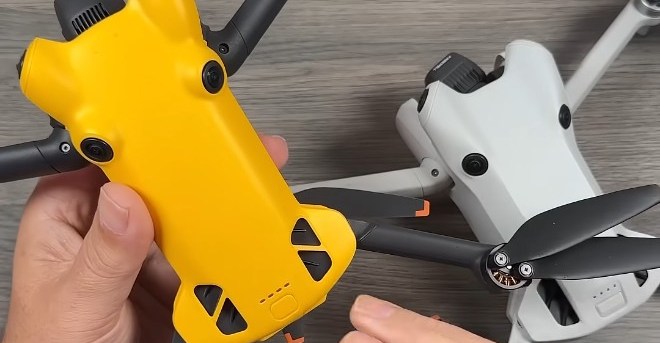
The agency has proposed barring several companies from importing, distributing, marketing and selling existing drones and cameras in the United States. That matters for buyers and retailers because some of the products at issue, including Skyrover drones and Xtra cameras, already received FCC authorization before the current foreign-drone restrictions came down.
The FCC is aiming at what it describes as “DJI front companies,” a phrase doing a lot of work here. The agency says the firms are suspected of moving DJI-linked products through the US approval system despite restrictions tied to foreign drone equipment and national security concerns.
The move follows a narrower enforcement step earlier this month, when the FCC proposed a $25,000 fine against eight companies. The new proposal goes much further: if finalized, it would cut off future sales channels for the targeted equipment rather than just punish alleged noncompliance after the fact.
What the proposed ban would do
The ban would not apply to devices people have already bought, according to the FCC. It also is not immediate. The agency is taking public comments for 30 days and says it will consider “specific evidence” from companies or other commenters before making a final decision.
If the proposal takes effect, products such as Xtra’s version of DJI’s Osmo Pocket 3-style camera could be pulled from major online retailers and from Xtra’s own site. The Verge reported that Amazon was still offering the Xtra camera with next-day shipping after it had already received FCC approval.
The mechanism is bureaucratic, but the consequence is blunt. FCC authorization is the gate a radio-equipped device must pass before it can be marketed and sold in the US. The agency gave itself authority last October to revoke or prohibit equipment that had already cleared that gate. This would be the first time it uses that retroactive power, according to The Verge.
The FCC says it has also “temporarily deferred the grantee codes” of the companies, without defining that phrase. The Verge reported that a former FCC official said he had not heard the term before. The practical question is whether those firms can still get future products cleared for import and sale.
Companies and lab under scrutiny
The companies named by the FCC include Cogito Tech, Fixaxo Technology, Lyno Dynamics, Skyhigh Tech, Spatial Hover, SZ Knowact, WaveGo Tech and Xtra Technology. SZ Knowact and WaveGo Tech are identified as being behind Skyrover. The FCC says none of those companies responded to its requests for information.
The agency also included agricultural drone brand XAG. According to the FCC, XAG did respond once, but did not provide the information requested.
Separately, the FCC said it is moving to withdraw recognition from SGS-CSTC Shenzhen, a Chinese testing lab that helped authorize some of the products. SGS-CSTC told the FCC it is not controlled by the Chinese government because China-owned CSTC holds only 15 percent of the lab. The FCC points to US radio-authorization rules that treat 10 percent ownership as enough to establish control for these purposes.
The FCC has framed the proceeding around national security risk. The public record described by The Verge still does not include specific public evidence showing why foreign drones, or camera products swept into the same fight, create that risk. For now, the agency has a proposal, a comment clock and a list of companies that may soon find out what retroactive approval really means.
This story draws on original reporting from The Verge.