The Federal Communications Commission is escalating its hunt for DJI-adjacent hardware in the U.S. market, proposing $25,000 fines against eight companies that the agency says failed to answer investigative demands.
The targets are Cogito Tech, Fixaxo Technology, Lyno Dynamics, Skyhigh Tech, Spatial Hover, SZ Knowact, WaveGo Tech, and Xtra Technology, according to an FCC notice cited by The Verge. The agency gave the companies until Monday, July 20, a 10-calendar-day window, to respond before it considers additional action.
The immediate charge is procedural: the FCC says the companies did not respond to letters from investigators. The broader issue is whether companies tied to or resembling DJI are being used to keep DJI-made or DJI-derived products moving through U.S. channels after Washington tightened restrictions on foreign drone companies.
That distinction matters for buyers and retailers. A radio-equipped gadget cannot be legally imported, marketed, or sold in the U.S. without FCC authorization for its wireless components. Drones, handheld cameras, and other connected devices do not get to wave away radio rules because the label on the box changed.
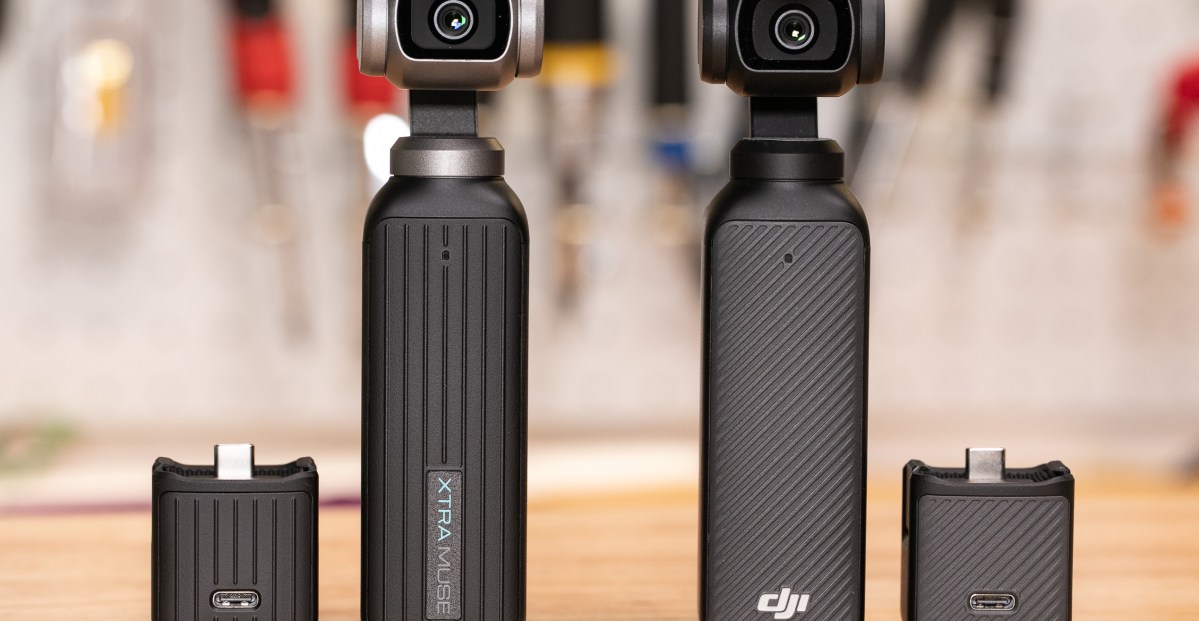
The Verge reported last year that Xtra was connected to DJI camera imports into the U.S. and that Skyrover appeared to be selling drones resembling DJI products under another brand. The Verge also identified SZ Knowact as the company behind Skyrover. Researcher Konrad Iturbe tracked what he called “DJI front companies” in a public GitHub list last year, according to The Verge.
How the FCC hook works
The FCC’s leverage comes from equipment authorization. If a device uses radio frequencies, the agency must approve the radios before the product can be imported, sold, or marketed in the United States.
On December 22, the FCC added foreign drone companies to its Covered List, The Verge reported. Placement on that list blocks the agency from issuing new authorizations to those companies, based on asserted national security risks. That means a drone maker cannot just file paperwork as usual and expect the wireless bits to clear.
The FCC also expanded its own power last year to revoke or block products after authorization, according to The Verge. That retroactive authority can apply even when a product contains components from a banned company rather than carrying the banned company’s name on the outside.
The Verge reported that the FCC is also planning to deauthorize a prominent testing lab in China, though the available details did not identify the lab. Testing labs are a quieter part of the pipeline, but they matter: their certifications help products reach the point where FCC authorization is possible.
The proposed fines do not, by themselves, prove that the eight companies are DJI shells. They show the FCC is no longer treating the alleged workaround as a paperwork curiosity. The agency is using the dullest tool in the drawer, missed investigative responses, to pry open a supply chain that appears designed to make brand names do more work than the hardware underneath them.
This story draws on original reporting from The Verge.