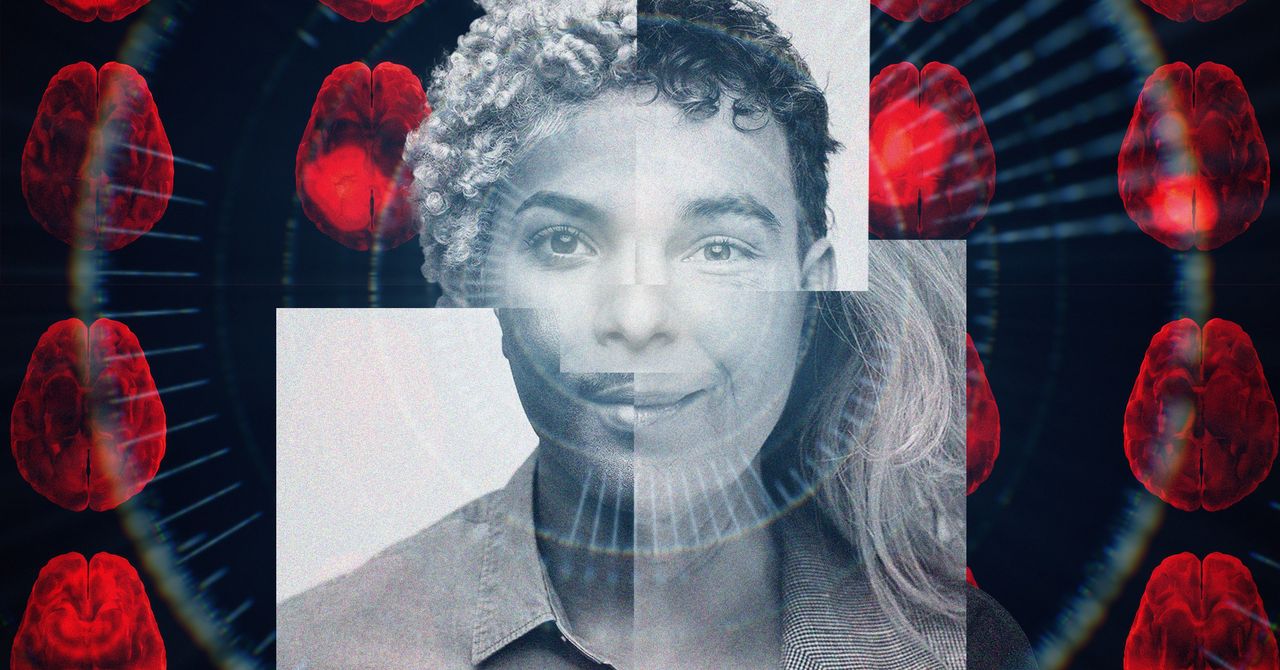
Hemispheric, a brain-AI startup cofounded by former Apple engineer Gidi Littwin, has raised $52 million after building a training set from 100,000 paid volunteers, according to WIRED. The pitch is direct enough: use machine learning to read patterns in noninvasive brain measurements, then help clinicians diagnose and monitor cognitive disorders without cutting into anyone’s skull.
Littwin helped develop Apple’s Face ID and worked on hand-tracking technology for Vision Pro before leaving Apple in 2020, WIRED reported. He later joined Hagai Lalazar, who had been developing AI methods for studying the brain and found Littwin after contacting him on LinkedIn. Lalazar had spoken with roughly 75 potential cofounders by then, according to the report.
The Apple connection is relevant for the boring operational reason that usually decides whether these systems work: data collection. Littwin told WIRED that Face ID and Vision Pro-related work required datasets from “hundreds of thousands” of subjects to train deep-learning models. Hemispheric, he said, had to build a similar data operation.
The company says it has collected a quarter of a million hours of brain data from paid volunteers in Asia, Tel Aviv, and Boston. Participants performed game-like tasks intended to activate different brain regions. Hemispheric used that dataset to train a model that tries to infer brain function from electrical activity measured inside the skull, in the same broad statistical sense that language models infer patterns from text.
That mechanism matters because brain activity varies by person, and clinicians often diagnose conditions such as depression, Alzheimer’s disease, and Parkinson’s disease using questionnaires and behavioral observation, according to WIRED. Hemispheric’s bet is that enough signal exists in electrical recordings to turn some of that subjective work into a measurable test. That is a claim to be tested, not a product label to be admired.
Hemispheric says it has tested its generalized model on groups that included people diagnosed with PTSD, schizophrenia, and depression, and that the system made accurate deductions about their brain health. The company is also running a clinical study to test whether the model can diagnose, and potentially predict, Alzheimer’s disease, WIRED reported.
The first planned product is aimed at PTSD. Hemispheric expects to submit it to the US Food and Drug Administration early next year, with hopes of making it available to the public later in 2027 if the regulatory process goes its way.
The proposed clinical workflow is intentionally ordinary. A patient wears a lightweight EEG headset for about 15 minutes while using an app on a tablet. Hemispheric says its model would analyze the brain signals and help clinicians make diagnoses, estimate which intervention may work best, and track whether a patient is improving.
Lalazar told WIRED the company wants the test to become comparable to a blood test, with a low-cost device used in mental health clinics, hospitals, and psychologists’ offices. Cheap hardware is doing a lot of work in that sentence. So is regulatory approval.
The funding comes from American and Israeli venture firms and individual investors, including early Uber backer Howard Morgan, according to WIRED. Hemispheric plans to use the money to pursue regulatory approval, expand US hiring, build partnerships with governments, health care organizations, and pharmaceutical companies, and collect brain data from millions more people.
The company is also developing its own brain scanners. Littwin told WIRED that existing EEG devices were not designed for machine learning, especially deep learning. That may be true, but the harder test is whether better sensors plus a larger dataset can produce clinically useful results outside a startup demo. The FDA filing should force some of that argument into a less forgiving format.
This story draws on original reporting from WIRED.