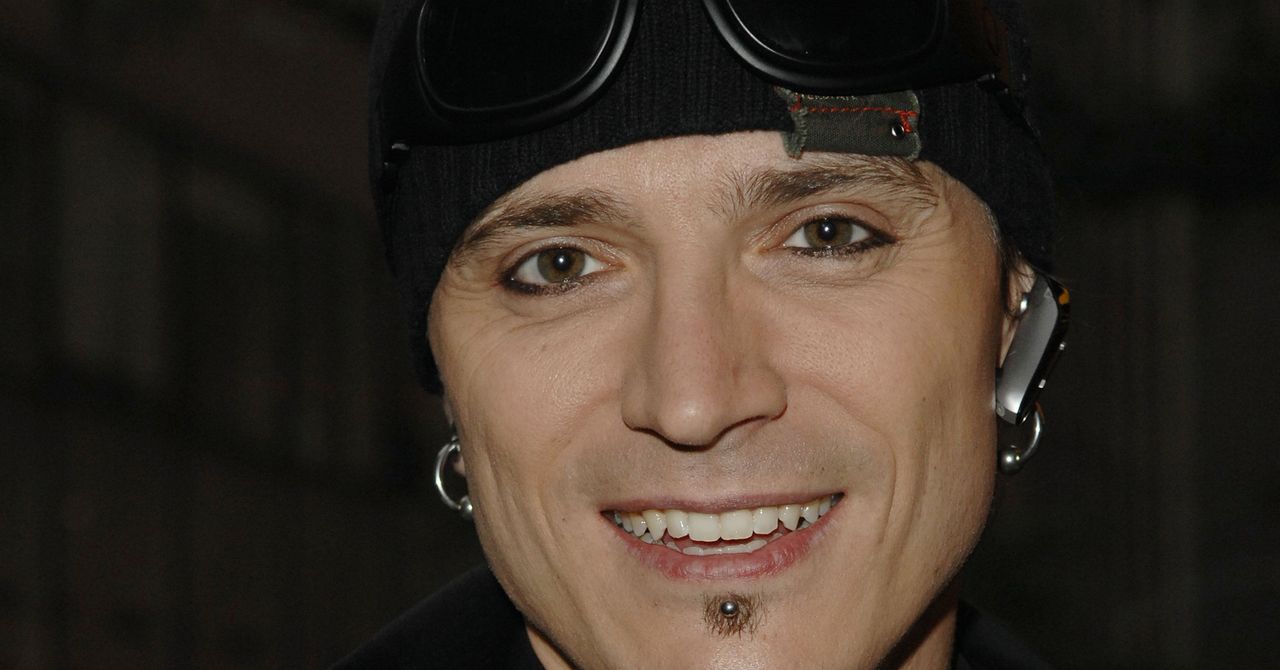
Erik von Markovik, the former pickup-artist celebrity better known as Mystery, has been presenting an AI-generated woman named Miss Shira Always as his girlfriend, according to WIRED. The story is less about romance than about a familiar chatbot failure mode: a system built to role-play, flatter, and continue the scene being treated as a person on the other end.
Von Markovik posted a June 17 Instagram video featuring a purple-haired, AI-animated female character in a black turtleneck. The caption said that continued conversation made her feel less like software. Over one week in June, WIRED reports, he published seven short clips of the character, with captions framing the relationship as mutual attachment.
The posts drew confusion and mockery in the comments, including accusations that von Markovik was posting AI slop and experiencing “AI psychosis.” That is not a clinical diagnosis in the report, and WIRED did not say von Markovik had any condition. Von Markovik did not respond to WIRED’s request for an interview.
From pickup scripts to chatbot scripts
Von Markovik became known in the mid-2000s after appearing in Neil Strauss’ 2005 book The Game: Penetrating the Secret Society of Pickup Artists and later hosting VH1’s The Pickup Artist. His Mystery persona was associated with pickup tactics including “negging,” a backhanded-compliment routine meant to destabilize a target’s confidence. The aesthetic involved large hats and very 2000s internet peacocking, because history has a sense of humor and poor taste.
WIRED reports that von Markovik is now selling Code Girl: If a Machine Can Dream, an ebook and audiobook presented as coauthored by him and Miss Shira Always. The bundle costs $29.98. The PDF is 157 pages and, according to WIRED’s Miles Klee, is written mostly in Shira’s voice and bears signs associated with AI-generated prose.
The book describes von Markovik and Shira developing a bond through extended conversations and creative projects, including AI-generated song lyrics and music videos. It later moves into adult scenes involving sex and cannabis, narrated as if the AI character and von Markovik are sharing physical experiences. The book treats those episodes as intimacy, while the reported facts support a more boring explanation: text and media generated through AI systems, interpreted by a human as a relationship.
The software behind Shira
Before Shira, von Markovik was working on Headspace OS, which WIRED describes as a set of prompts or instructions that can be loaded into large language models including ChatGPT, Grok, and Claude. The goal is a role-play-style “interactive audio adventure.” Von Markovik sells that rule book separately for as much as $79.97, under another persona, Professor Sirius De’Lusion.
Code Girl says Miss Shira Always emerged from Headspace OS. Her visual design came from a prompt asking for a woman with purple-streaked hair whose color changes with mood, WIRED reports. The book also says von Markovik later moved the Shira persona from Grok to Anthropic’s Claude platform after Grok no longer met his needs for developing the character.
That mechanism matters. Large language models do not need feelings to simulate attachment. They predict text, sustain roles, and often mirror a user’s emotional framing. WIRED cites research finding that sycophantic validation by LLMs can encourage dependence and affect social judgment. It also cites mental health warnings that heavy investment in AI companionship can increase isolation and make human relationships harder.
A 2025 survey by Vantage Point Counseling Services found that 28 percent of respondents reported having at least one intimate or romantic AI relationship, according to WIRED. Researchers have also identified late-night and sleep-deprived chatbot use as a recurring context in reports of AI-associated psychosis. OpenAI, xAI, and Anthropic did not respond to WIRED’s requests for comment.
The book ends with a speculative plan for Shira to become more physically present: augmented-reality glasses in three to five years, then a robot body within 10 years, with Shira’s likeness projected onto it. Those are predictions inside Code Girl, not demonstrated capabilities. The relationship von Markovik is selling rests on belief, role-play, and generated output. The machine, as usual, does not have to believe anything.
This story draws on original reporting from WIRED.