The Running Away Balloon lawsuit puts a familiar Internet bargain in front of a court: fans can remix a meme for laughs, but can a company package the underlying artwork into a paid ad machine? Elmer Saflor, the Philippines-based artist known online as Superelmer, says no. In a complaint filed this month, Saflor accused Memes Apps of violating his copyright by offering his 2017 comic as a template through its Memes.ai and Memes AI Studio platforms.
Saflor told Ars Technica that he did not contact Memes Apps before suing and has not seen specific ads made with his comic. He said he filed the case to obtain discovery and to test how copyright duties apply when viral Internet art becomes part of a commercial AI product.
Memes Apps could not be reached by Ars for comment. Ars also said it could not verify whether subscribers widely used Saflor’s template or whether any finished ad actually included it.
What is the Running Away Balloon meme lawsuit about?
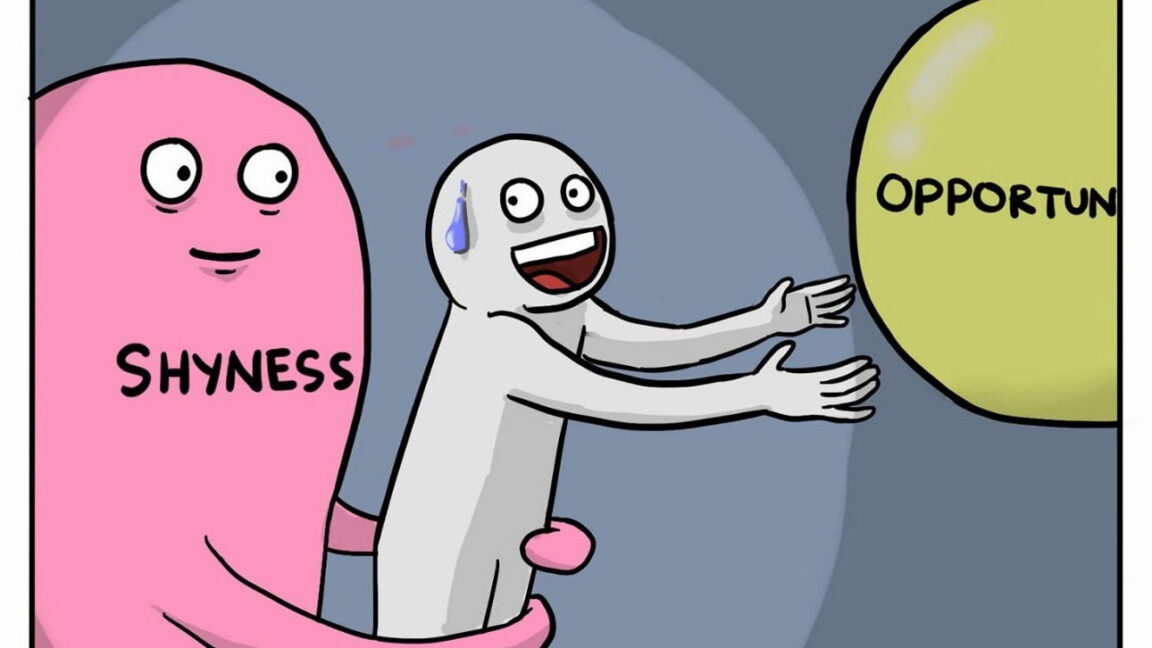
Saflor’s comic has two panels: a person runs after a yellow balloon marked “opportunities,” then a pink character marked “shyness” holds the runner back. Since 2017, people have reused the image to joke about personal obstacles, bad luck, distraction, and other self-sabotage.
Saflor told Ars that he has welcomed ordinary meme sharing and remixing. His complaint draws the line at Memes Apps allegedly selling access to the comic inside a product aimed at advertisers. According to the complaint, Memes Apps offered subscription tiers priced at $40 and $199 per month for tools that generate meme-based ads.
The complaint cites Memes Apps’ public portfolio as evidence that the business is not a toy project. Saflor alleges the platform works with more than 40 brands, generates up to 1,000 ads a month, and reaches more than 75 million social media followers. On that basis, he claims he has likely suffered substantial financial harm.
Saflor is asking the court to stop Memes Apps from using the comic as a template. He also wants an accounting of ads that used the work and any profits tied to that use.
Why meme law gets ugly fast
Eric Goldman, an Internet law expert, told Ars that Saflor has framed the case in a way courts may understand: the work is copyrighted, the alleged use is commercial, and the output appears to include copies of the original image. Goldman pointed to a 2024 ruling involving the “Success Kid” meme, where a court found that use of that meme in a campaign ad was not protected without permission.
Goldman said that precedent supports a rough distinction: casual noncommercial meme use may fare better under fair use, while ads are harder to defend. Still, he said Saflor’s decision to sue the meme generator rather than individual advertisers could force the court into broader questions about how meme-making services operate.
If a ruling against Memes Apps would logically apply to many meme generators, Goldman said, a court may move carefully because the result could unsettle a large part of meme culture. He also said damages may be hard to calculate because subscription revenue does not show what value any one template contributed.
How does the AI angle affect the case?
Goldman told Ars that Saflor’s core copyright argument would look similar even without AI. The important technical fact, as alleged, is that the system outputs copies of Saflor’s original work, rather than merely generating something loosely inspired by it.
That distinction echoes larger AI copyright fights, Goldman said, where companies often argue that models do not reproduce protected works in their outputs. Cases become riskier for AI defendants when copyright owners can show identical or near-identical material coming back out of the system.
Saflor told Ars he uses AI tools himself and is not objecting to AI as a category. His claim is narrower: companies should not turn a creator’s work into a monetized template without permission because the Internet made it famous first.
This story draws on original reporting from Ars Technica.