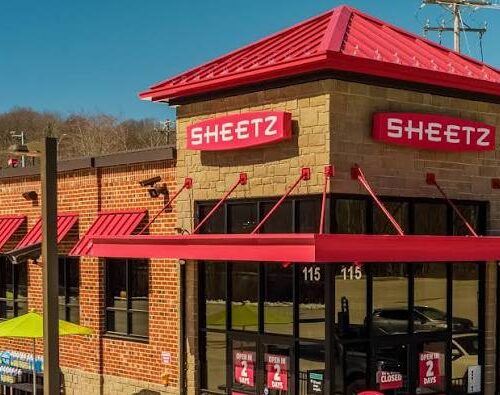
Sheetz is taking VMware out of its store infrastructure across 838 US convenience stores, shifting thousands of virtual machines from Broadcom’s virtualization stack to StorMagic’s SvHCI platform.
The move matters because this is not a lab rebuild or a cloud migration dressed up as strategy. It is store-level infrastructure: two Dell R440 or R450-series servers in each location, running the virtual machines that Sheetz has operated on VMware since 2019. According to Scott Robertson, infrastructure team manager at Sheetz, the company is keeping that Dell hardware and changing the virtualization layer underneath it.
Robertson told Ars Technica by email that each store is moving 12 to 14 virtual machines from VMware vSphere to StorMagic SvHCI. He said another two virtual machines at each location will be replaced in the coming months as Sheetz moves from Windows 10 to Windows 11.
Across the full estate, that adds up to roughly 11,000 virtual machines leaving Broadcom’s virtualization platform, according to Robertson. Broadcom acquired VMware and has since become the vendor behind the platform Sheetz is replacing.
Migration is already well under way
Sheetz has completed the migration at more than 600 stores, according to a company announcement cited by Ars Technica. The rollout is averaging about 200 stores per month, and the announcement said the company expects to finish the project within four months.
The mechanics are straightforward, if not small: keep the existing edge servers in place, move the store workloads off VMware vSphere, and run them on StorMagic’s hyperconverged infrastructure software instead. That avoids a wholesale server refresh while changing the licensing and management dependency that sits between the applications and the hardware.
The stated reason for the shift is uncertainty around Broadcom’s VMware business, according to the report’s headline. The available details do not say which contract terms, support changes, or licensing decisions pushed Sheetz to move, so any narrower explanation would be guesswork.
What is confirmed is the scale and pace: 838 stores, more than 600 already migrated, around 11,000 virtual machines in scope, and no new store server hardware called out by Sheetz. For a retailer with distributed infrastructure, that is the part worth watching. Vendor strategy only becomes real when someone has to touch hundreds of locations and keep them running while the platform changes underneath.
This story draws on original reporting from Ars Technica.