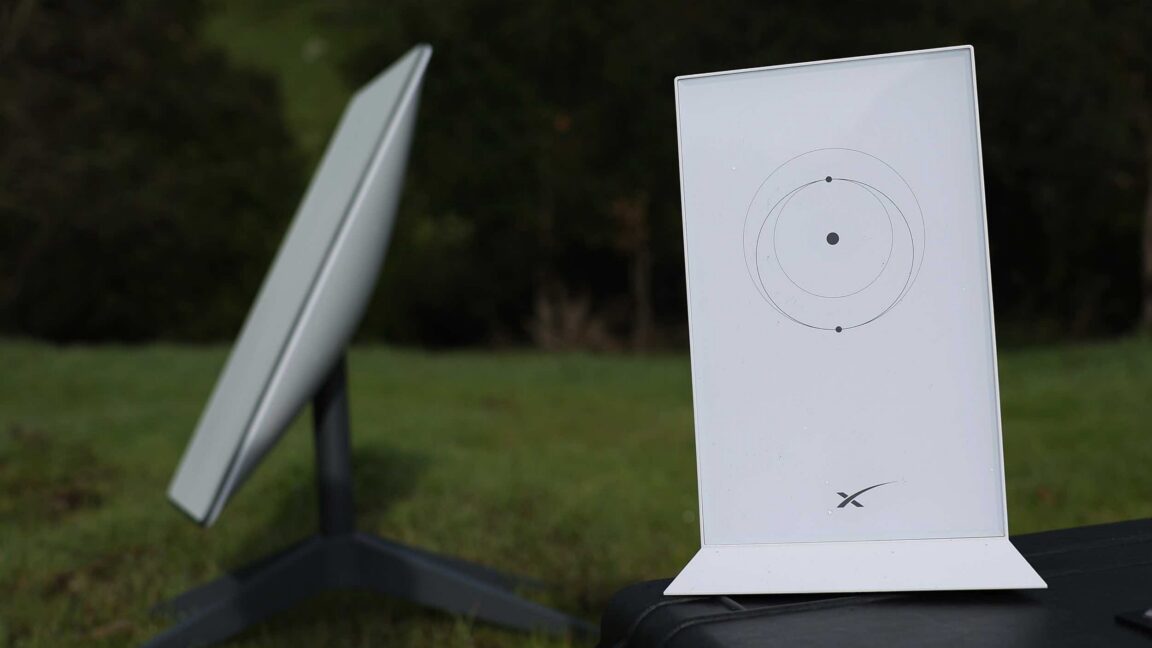
The FCC has granted a Starlink router exemption from its ban on consumer routers made at least partly outside the United States, clearing SpaceX to seek approval for future Starlink hardware through February 1, 2028.
In a public notice, the Federal Communications Commission said SpaceX’s routers received approval from the Department of War, also known as the Department of Defense. That finding gives SpaceX what the FCC calls a conditional approval under the agency’s supply-chain rules.
The decision matters because the FCC recently broadened its Covered List to include consumer-grade routers built wholly or partly outside the US unless a company obtains an exemption. The list is the FCC’s roster of communications equipment and services it says pose an unacceptable national-security risk.
Routers are a messy target for a domestic-manufacturing rule because most of the category is assembled overseas or uses foreign-made parts. That means large vendors need exemptions if they want the FCC to approve new models after the rule change.
How does the FCC router ban affect Starlink?
The ban does not block Starlink routers the FCC had already approved before the rule changed. It affects future models: SpaceX needs the exemption so later Starlink routers can move through the FCC approval process despite foreign manufacturing or components.
Starlink’s manufacturing footprint had made its status less obvious than some rivals. SpaceX operates a factory in Texas, and some Starlink routers carry “Made in the USA” labeling. But PCMag reported in April that other Starlink routers are made in Vietnam, which placed SpaceX within the sweep of the FCC’s new process.
Under the procedure the FCC announced in March, router makers can ask either the Department of War or the Department of Homeland Security to determine that their devices do not present an unacceptable national-security risk. The FCC then uses that determination to issue a conditional approval.
SpaceX is not the first company to make it through. Netgear received an exemption on April 14, making it the first major router vendor to do so. Amazon later received exemptions covering its Eero routers and routers intended for its Leo satellite service.
TP-Link, a router company founded in China that has moved its headquarters to the United States, has not received an exemption, according to the FCC’s exemption list. The Trump administration has alleged that foreign networking equipment can create national-security risks and has pushed companies to shift more device manufacturing into the US.
The same exemption machinery now reaches beyond Wi-Fi gear. Drone makers also need approvals because the FCC added drones to the Covered List last year. DJI, the Chinese drone company, has sued the FCC over the restriction. Router makers that cannot get exemptions could try a similar legal route, although no such router lawsuit is identified in the FCC notice.
This story draws on original reporting from Ars Technica.