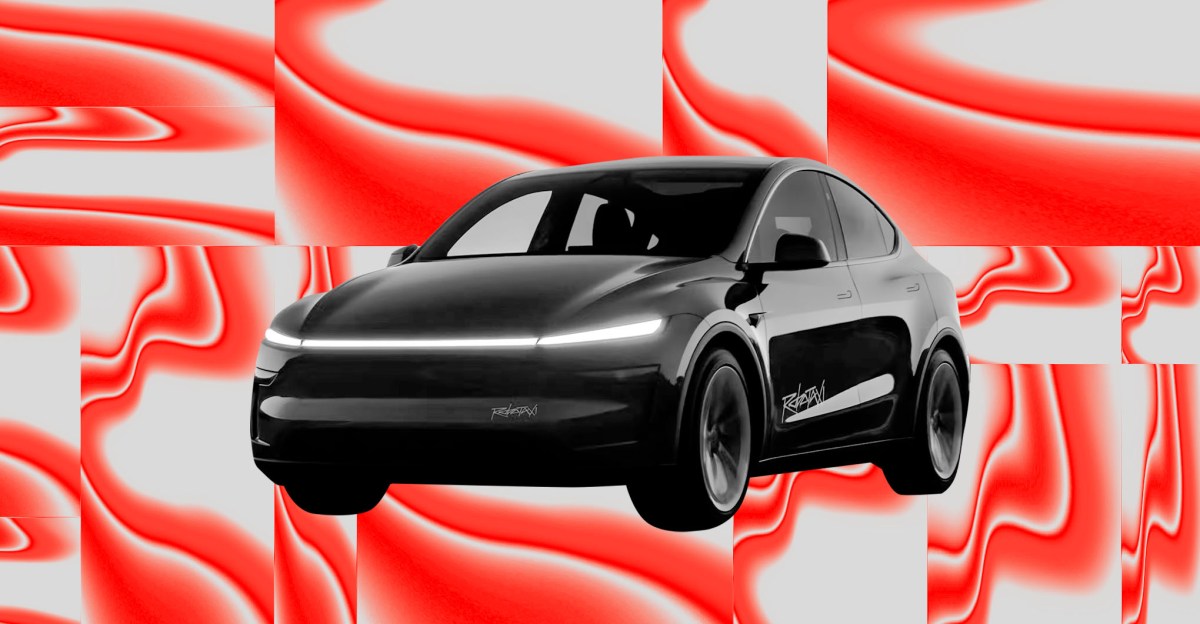
Tesla said on X that it is launching its robotaxi service in Orlando and Tampa, adding two Florida cities to a program that remains much smaller and more uneven than Elon Musk has promised.
The company attached maps showing service areas for each city. Tesla did not say how many vehicles will operate in Orlando or Tampa, and it did not say whether customers can immediately summon a ride.
The announcement lands ahead of Tesla’s second-quarter earnings call, where CEO Elon Musk is expected to discuss the robotaxi program. That timing is not subtle. Robotaxis are one of Musk’s favorite answers to questions about Tesla’s future growth, and new city names make for cleaner investor theater than the messy details of how many cars are actually driving people around.
Those details remain awkward. Bloomberg reported in June that Tesla’s robotaxi fleet was far smaller than Musk had forecast. In 2024, Musk said Tesla’s autonomous ride-hailing vehicles would be available to half of the US population by the end of 2025, according to The Verge. Months later, he said Tesla would have 500 or more robotaxis in the Austin area alone by the end of 2025.
Robotaxi Tracker, which monitors Tesla’s service, shows a much smaller footprint. In May, Tesla had five unsupervised robotaxis in Dallas, six in Houston and 29 in Austin, according to the tracker. As of Tuesday, Robotaxi Tracker listed 17 unsupervised vehicles in Austin, four in Dallas and none in Houston.
Waymo is operating at a different scale. The Verge reported that Waymo is estimated to have more than 3,500 fully driverless vehicles running across more than 10 cities.
Supervised, unsupervised and remotely operated
Tesla’s robotaxi rollouts have not followed one clean pattern. Like Waymo, Tesla often starts in a new city with a safety driver behind the wheel. Unlike Waymo, Tesla has sometimes moved that human monitor to the passenger seat, where the person has access to a kill switch if the vehicle gets into trouble, according to The Verge.
The distinction matters because a robotaxi with a person ready to intervene is not the same operational challenge as a car carrying passengers with no one inside who can take control. Tesla’s own categories have also shifted by city, with supervised and unsupervised counts rising and falling without much public explanation from the company.
Several reports cited by The Verge have described long wait times for Tesla robotaxi rides, tied to limited vehicle supply. Those reports also said the cars sometimes pick up or drop off passengers at the wrong place.
Remote operation is another part of the system. The Verge reported this week that Tesla disclosed an unsupervised robotaxi crashed into a tree stump while it was being remotely operated. Remote control can help a fleet recover from edge cases, but it also complicates the tidy pitch that the cars are just driving themselves around town.
Musk has predicted Tesla’s robotaxi service will be profitable in 2027. The Orlando and Tampa maps give Tesla two more markets to point at. They do not answer the harder questions about vehicle counts, availability, supervision, remote intervention or why the existing fleet numbers keep moving around.
This story draws on original reporting from The Verge.


