American car buyers are moving toward hybrids in 2026, and the shift is less mysterious than the marketing decks make it sound: gas costs more, battery-only cars still make many drivers nervous, and automakers have more hybrid models sitting on lots.
Kelley Blue Book projects US hybrid sales will rise 9 percent this year, even as overall car sales are expected to fall by more than 2 percent. Battery-electric sales are growing too, with Kelley Blue Book reporting a nearly 15 percent increase in the second quarter from the first. The catch is scale. US electric sales remain below the optimistic forecasts made before federal EV support changed under the Trump administration, including tax credits of up to $7,500, and before several automakers reduced their electric-vehicle plans.
The US pattern also differs from Europe. Data published this month by European consultancies and nongovernmental organizations showed battery-electric vehicle sales up more than 33 percent in the first half of 2026 from the same period last year. That growth came as higher fuel prices tied to the Iran war pushed more buyers there toward fully electric cars.
Hybrids solve a boring, real problem
US gasoline prices are up 30 percent from a year ago amid oil-price volatility linked to the continuing conflict around the Strait of Hormuz. That gives buyers a reason to care about fuel economy without forcing them to learn the charging map like it is a second job.
A hybrid uses an internal combustion engine and one or more electric motors to cut fuel use. Some plug-in hybrids can drive on stored battery power before the gas engine takes over. Most hybrids do not plug in, relying instead on older, well-tested systems that recapture energy and assist the engine when useful.
Stephanie Brinley, associate director of AutoIntelligence at Mobility Global, told Wired that hybrids and electric vehicles feel like different categories to shoppers. Karl Brauer, an executive analyst at iSeeCars.com, said buyers are looking to save money while avoiding range anxiety, and called hybrids a fit for that moment.
Brinley also argued that hybrid interest could help, rather than hurt, later EV adoption because it gets buyers to consider something beyond a conventional gasoline drivetrain. Her forecast remains cautious: she said hybrids took more than 25 years to reach 15 percent of the market, while EVs are expected to reach 12 percent of sales in 2030.
Toyota kept the hybrid shelf stocked
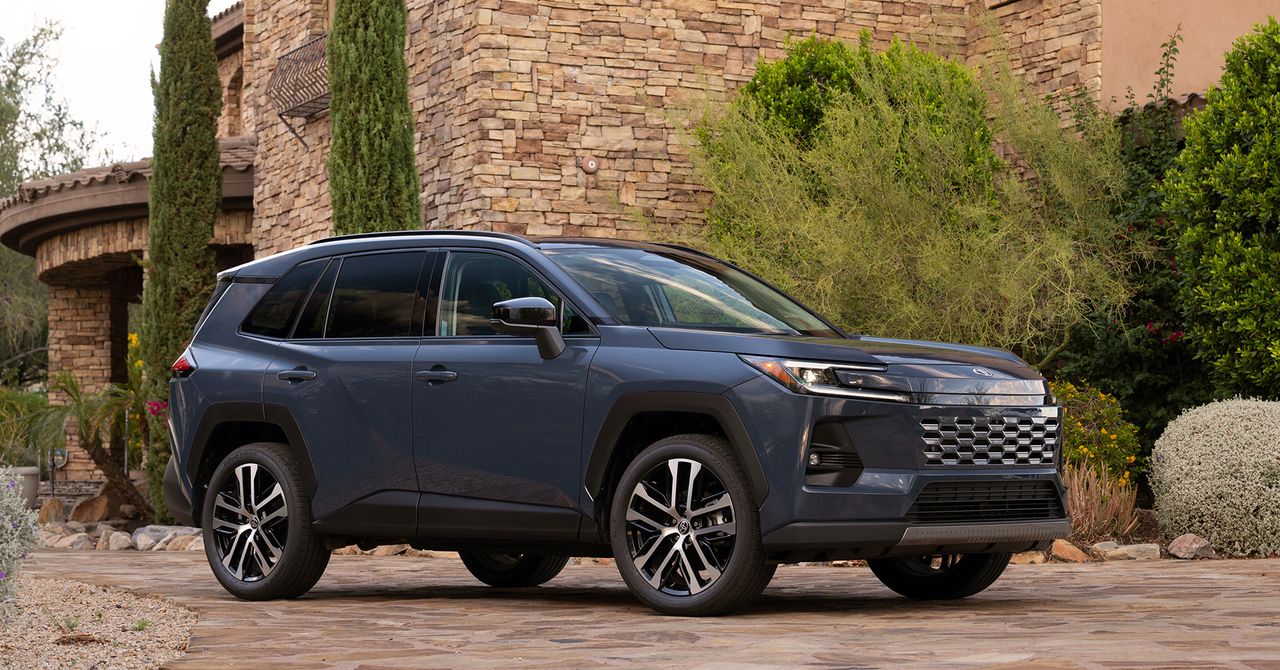
Toyota is the obvious beneficiary. The company began selling the Prius in the late 1990s, expanded hybrid systems into models such as the Camry in the early 2000s, and kept investing while other automakers aimed more aggressively at full electrics. US buyers can now get a hybrid version of nearly every Toyota model, and some of its major nameplates, including the Camry and RAV4, are hybrid-only.
Toyota said its hybrid sales rose nearly 20 percent in the latest quarter. Brauer said some longtime RAV4 buyers may end up with a hybrid because that is what the dealership sells them, whether or not they entered the showroom looking for electrification.
The price gap has also narrowed. Kelley Blue Book says a hybrid powertrain now adds only a few thousand dollars in many cases compared with a gasoline-only version. In a market where new cars are already expensive, that smaller premium makes the fuel-saving argument easier to sell.
Honda reported last month that hybrid trims accounted for 51 percent of CR-V sales. The company also said it would stop selling the Prologue EV in the US for the 2027 model year, leaving no battery-electric vehicles in its North American lineup. Hyundai and Kia also reported higher hybrid sales this quarter.
US automakers are talking more openly about hybrids as well. Ford has had success with the hybrid version of the Maverick pickup and sells several other hybrids. Stellantis has stepped back from plug-in hybrids while discussing more electrified powertrains. General Motors, long reluctant on hybrids, now says the technology will help it through the middle phase of the EV transition.
Even some Tesla owners are trading electrons for a gas engine with electrical help. Edmunds reported this month that more than 20 percent of Tesla trade-ins in the second quarter went toward hybrids, though its figure excludes direct-to-consumer brands such as Rivian, Lucid and Tesla itself.
This story draws on original reporting from WIRED.