Apple App Store ads are getting a fresh round of scrutiny from Daring Fireball, which argues that the company is applying a very different standard to its software than the one it has long applied to its hardware. The criticism centers on ads in the App Store and Apple News, with the possibility of ads in Apple Maps also raised in recent commentary.
The comparison is blunt: ads inside Apple’s own apps are being likened to the promotional stickers Apple declined to put on its computers. Daring Fireball quoted a friend who said the ads Apple is willing to place in its apps are like the stickers it would reject on its physical products.
That analogy lands because laptop stickers are advertising, not decoration. Daring Fireball notes that Intel paid for the “Intel Inside” labels that appeared on many PC laptop palm rests. Apple, after switching the Mac to Intel processors, did not join that branding program on its machines.
Why did Apple refuse Intel stickers on Macs?
The question came up at an Apple Town Hall event in August 2007, where Apple introduced new iMacs along with updates to iLife and iWork. During a post-event Q&A, Bob Keefe of Cox Newspapers asked why Apple was not putting “Intel Inside” stickers on new or previous Macs.
Daring Fireball recalls that the question drew laughter in the room because, to people who closely followed Apple, the answer felt obvious. Jason Snell later argued in Macworld that Keefe had asked a useful question, because the answer exposed something real about Apple’s product philosophy.
Steve Jobs first answered with a joke, saying, “We like our own stickers better.” Phil Schiller also answered, according to Daring Fireball’s account of the exchange, before Jobs returned to the point more directly.
Jobs said Apple thought about the issue from the customer’s point of view: “what do we want stuck on our product when we take it out of the box?” His answer was “nothing.”
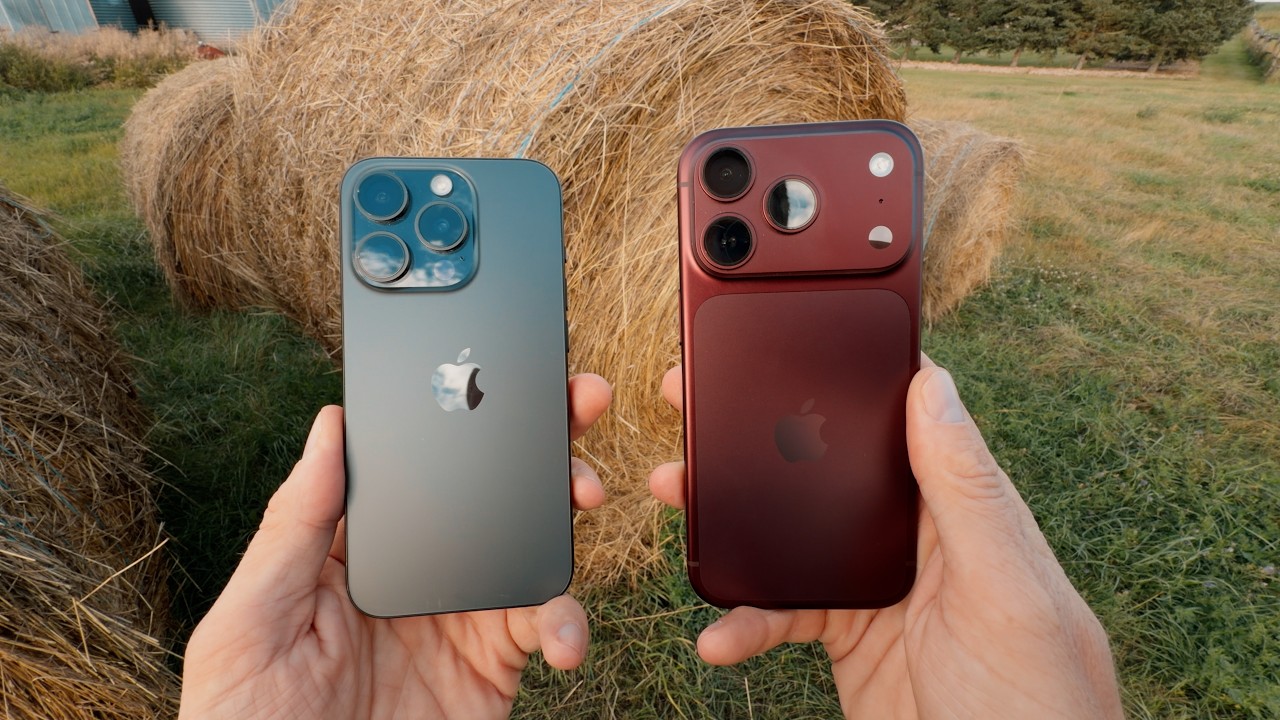
That answer is the hinge of Daring Fireball’s criticism. Apple’s hardware still reflects that taste for restraint. Daring Fireball points out that current iPhones do not even carry the word “iPhone” on the device, nor visible model numbers, serial numbers, or regulatory fine print, leaving only the Apple logo on the back.
What is the App Store criticism?
Daring Fireball says Apple is not showing the same restraint inside its software. In one example it cites, a search in the App Store for Signal showed two prominent ads, including one occupying the first result position.
The complaint is not that Apple has discovered advertising. It is that Apple’s own apps are now carrying paid placements in places where users are trying to find apps, read news, or potentially search for locations. For a company that once treated a processor logo on a laptop as unacceptable clutter, that is a hard square to circle.
Apple has not provided a response in the material cited by Daring Fireball. The confirmed facts here are narrower than the broader argument: Apple has run ads in the App Store and Apple News, Daring Fireball has criticized those placements, and the site is using Apple’s 2007 refusal to put Intel stickers on Macs as the historical yardstick.
This story draws on original reporting from Daring Fireball.