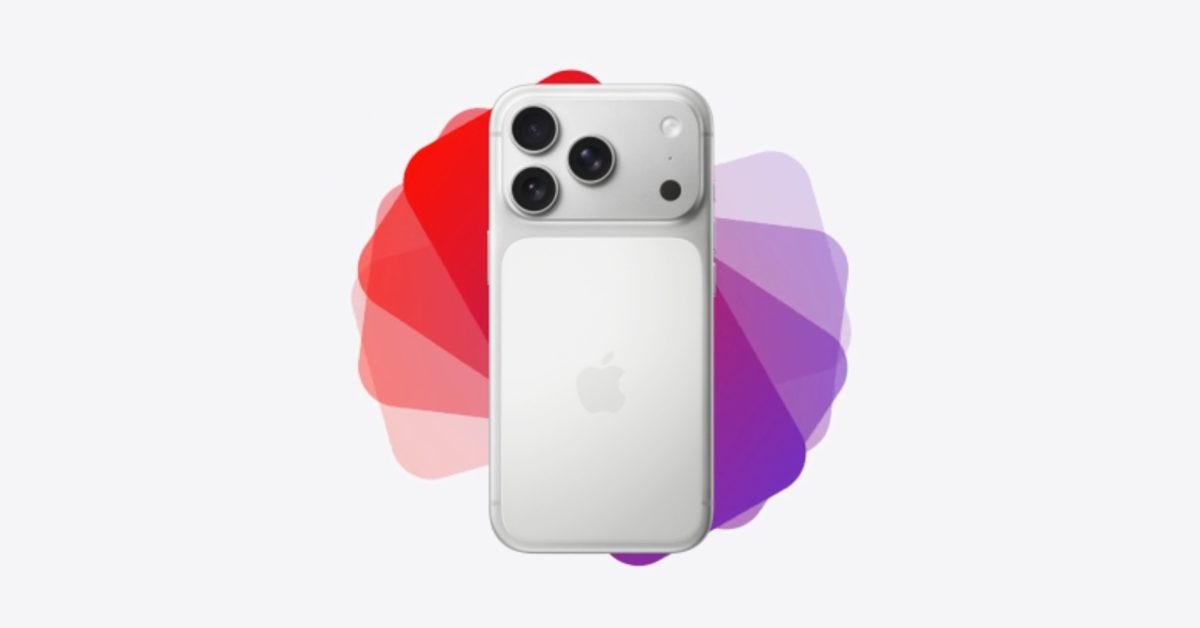
Apple Upgrade vs iPhone Upgrade is now the comparison iPhone buyers have to make after Apple’s new leasing program launched this week and the older iPhone Upgrade Program was discontinued, according to 9to5Mac. The two plans both turn Apple hardware into monthly payments, but they do not do the same thing under the hood.
The short version: Apple has moved from a finance plan built around owning an iPhone to a lease structure where ownership is optional at the end. That changes how much customers pay each month, what happens after the term ends, and whether AppleCare is bundled into the deal.
How is Apple Upgrade different from iPhone Upgrade?
Apple Upgrade is a lease. A customer pays monthly for either a 12-month or 24-month term, then chooses whether to return the device, trade it for a newer model, or pay a buyout amount to keep it, 9to5Mac reported.
The iPhone Upgrade Program worked as financing. Customers also paid monthly, but the device was theirs, subject to the remaining payment obligation. That distinction sounds like accounting trivia until the end of the term, when the lease customer still has to make a choice about the hardware.
Leasing means the monthly bill can be lower because the customer is not paying off the entire product price during the lease period. Financing spreads the full cost of the device across payments from the start, so there is no separate buyout payment waiting at the end.
Why are Apple Upgrade payments lower?
9to5Mac says Apple Upgrade costs less per month partly because AppleCare is not included by default. The other reason is residual value: the lease payments cover most, but not all, of the device’s cost. If the customer wants to own the iPhone after the lease, the remaining value shows up as the buyout amount.
Under the old iPhone Upgrade Program, AppleCare was mandatory. Buyers could not use that program without the added protection plan, which pushed the monthly price higher. Apple Upgrade makes AppleCare optional, which gives buyers a cheaper starting point but leaves them carrying more risk if they lease a device and damage it.
That optionality matters more in a lease than it would in a normal purchase. A damaged leased phone may create problems when it is time to return or exchange the device, so skipping protection is not a free lunch. It is a lower bill with fewer protections attached.
Apple Upgrade covers more than the iPhone
The old iPhone Upgrade Program did what the label said: it applied to iPhones. Apple Upgrade is broader. According to 9to5Mac, the new program can be used for an iPhone, Mac, iPad, Apple Watch, or some combination of those products.
Customers who want to lease more than one kind of Apple device have to apply separately for each product, 9to5Mac reported. The lease terms also vary by category, with Macs and iPads generally using longer terms than iPhones and Apple Watches.
The new setup gives Apple a cleaner way to sell recurring hardware payments across its lineup. For customers, the trade is plain enough: lower monthly payments and more device categories, in exchange for a lease model where the hardware is not automatically yours unless you pay to keep it.
- Apple Upgrade: lease structure, optional AppleCare, buyout required to own at the end.
- iPhone Upgrade Program: financing structure, AppleCare included, iPhone-only.
- Apple Upgrade eligibility: iPhone, Mac, iPad and Apple Watch, with separate applications for each leased product.
This story draws on original reporting from 9to5Mac.