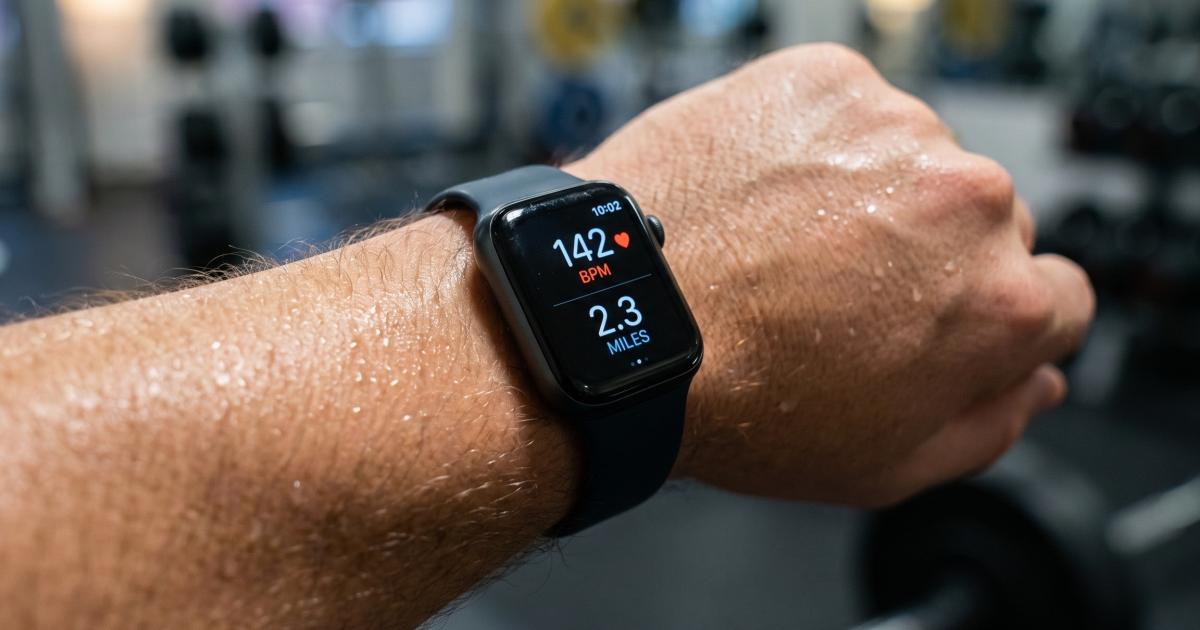
The European Commission has moved to spare more gadget makers from the EU’s default rule that portable batteries must be removable and replaceable by the people who buy the products. The change matters for owners of small electronics because it affects who can legally swap a dying battery: the user at home, or an independent professional with the right tools.
The Commission said on 14 July that it had adopted a delegated act adding six product categories to the exemption list under the EU Batteries Regulation. The categories include wearable devices such as smartwatches and fitness trackers, earbuds, electric toys, and equipment covered by the ATEX Directive, which applies to products used in potentially explosive atmospheres. The Commission gave examples including explosion-proof motors, sensors, pumps and forklift trucks.
The general rule in the Batteries Regulation is blunt by design: portable batteries inside products sold in the EU should be removable and replaceable by consumers. The Commission says that requirement is meant to keep products in use for longer and make spent batteries easier to collect for recycling. In practice, it pushes manufacturers away from sealed designs that turn a tired cell into a product retirement notice.
The exemption does not mean batteries can be welded into oblivion with no route out. For exempted products, the Commission said batteries still have to be removable and replaceable by independent professionals. That is a narrower right than consumer replacement, but it preserves at least some repair channel outside the original manufacturer.
Safety is the stated reason for the carve-outs
The EU already exempts some products from the consumer-removal requirement. The Commission cited medical devices and “wet appliances,” such as electric toothbrushes and water flossers, as existing examples. It said those exceptions are mainly based on safety concerns.
The same logic is doing a lot of work in the new act. A smartwatch or earbud lives close to skin, sweat and water. An electric toy may be handled by children. ATEX equipment, by definition, operates where sparks and heat can have worse consequences than a bricked gadget. The Commission’s position is that, for these categories, professional battery replacement can satisfy repair and recycling goals without making consumers pry open devices that were not built for casual surgery.
That trade-off is not cost-free. Consumer-replaceable batteries are usually better for repair access, and professional-only replacement can still mean delays, fees and uneven availability. The Commission said it tried to balance the interests of consumers, independent repairers, product and battery manufacturers, and the recycling sector while preparing the measure.
The waste side is not theoretical. The Commission warned that small lithium-ion batteries that are not discarded correctly are causing a growing number of fires at waste treatment plants, and said that risk has to be weighed before products containing those cells receive exemptions.
Parliament and Council still get a look
The delegated act now goes to the European Parliament and the Council of the EU for scrutiny. If neither institution objects, it will take effect 20 days after publication in the Official Journal of the EU.
The Commission also adopted updated guidance for manufacturers on how to apply the removability and replaceability rules, including the new derogations. It said the candidate products were identified after a 2025 call for applications, consultation with consumer groups, industry stakeholders and member states, and technical assessment work with external experts.
This story draws on original reporting from Environment.