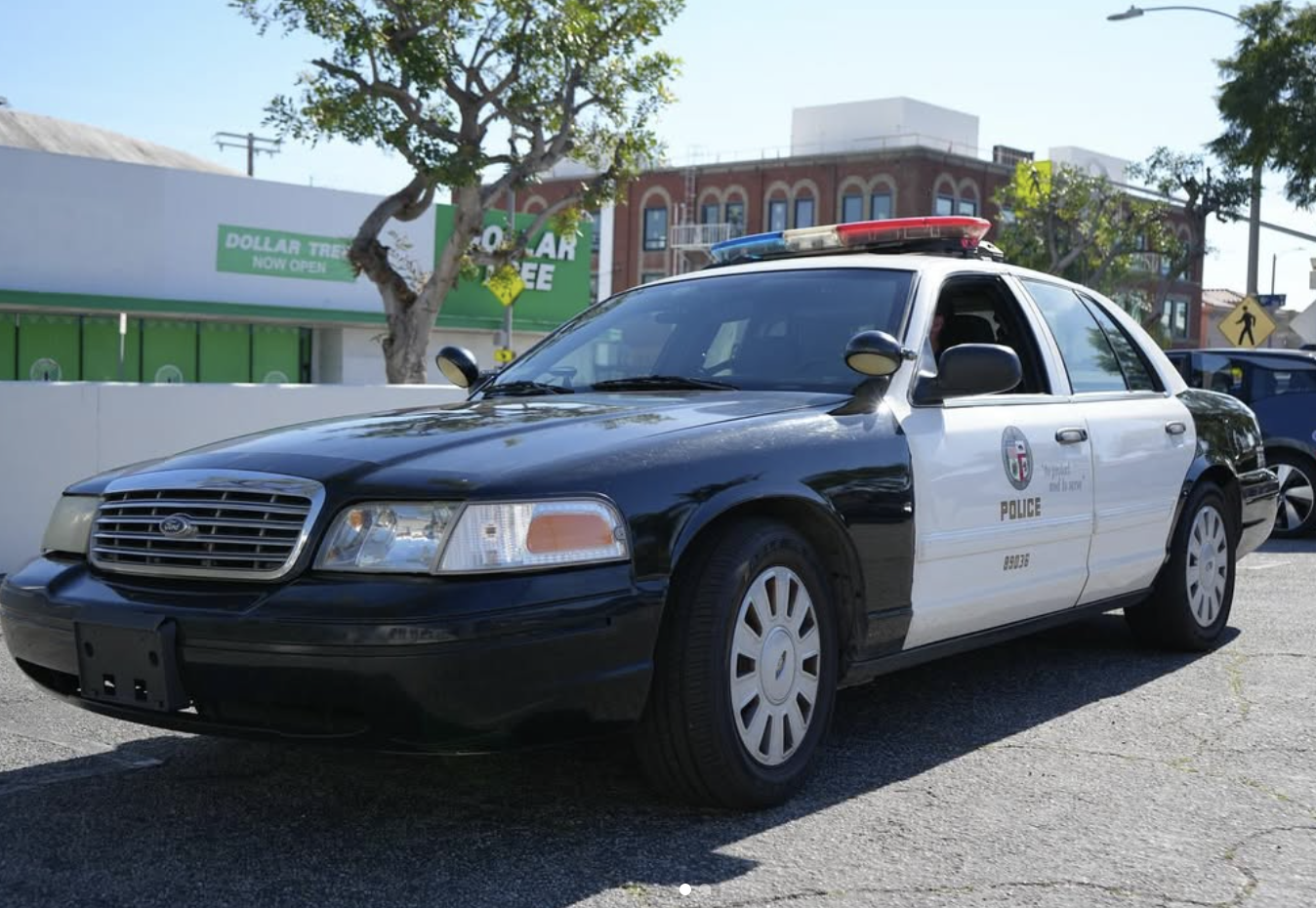
The Los Angeles Police Department will let its contract with automated license plate reader vendor Flock expire after its own watchdog found the department was putting innocent drivers into stolen-car encounters at a steady clip.
The LAPD Office of the Inspector General reported that, during a two-month review from August 1 to September 30, 2025, officers treated 161 automated plate-reader alerts as valid stolen-vehicle matches, only for later checks to show the cars were not stolen. That is not a rounding error. For the driver, it can mean being ordered out of a car during what the department itself treats as a dangerous stop.
The decision makes LAPD the largest police department in the United States to drop a Flock contract, according to the report’s account of the department’s response. LAPD said it will not enter new automated license plate reader contracts until it completes a broader audit process.
How the bad hits happen
Automated license plate reader systems scan plates from fixed cameras or police cars, compare them against databases, and alert officers when a plate appears on a “hot list.” Police use those lists for vehicles wanted in investigations, including cars reported stolen.
The failure mode is not exotic. A plate can remain on a hot list after a car has been recovered, after a report has changed, or after another agency fails to update its records quickly. The camera still sees the plate. The software still pings the patrol car. The person driving still gets treated like the system knows something it may no longer know.
The inspector general said stale or wrong records raise the risk of needless enforcement, including traffic stops, wrongful detentions, and confrontations with serious consequences. The report also said LAPD policy requires officers to try to verify an alert before making a stop, but that this often did not happen.
Those stops are not handled like ordinary speeding tickets. According to the inspector general, an ALPR hit for a wanted vehicle often leads officers to approach with “extreme caution” or conduct a high-risk stop, including calling backup, air support, and a supervisor, then ordering the person out of the vehicle.
Big dragnet, limited action
The scale of the system is the other problem. In the two-month audit period, LAPD’s cameras produced more than 210.5 million plate reads, according to the inspector general. The department tracked 5,911 distinct plates through hot-list alerts. Police took no action against 4,575 of those vehicles.
The same review said ALPR data helped LAPD recover 337 stolen cars and contributed to 74 arrests during the period. That is the department’s strongest case for the technology. The watchdog’s point is that the useful hits came attached to a lot of surveillance and a nontrivial number of bad encounters.
LAPD told the inspector general that improper stolen-vehicle flags generally come from record-update timing outside the department’s control, including delays by another jurisdiction or by a vehicle owner in clearing a plate after a car is recovered or no longer wanted. That explanation does not fix the risk. It shows how one agency’s stale entry can become another agency’s armed stop.
The review covered three ALPR systems used by LAPD: fixed cameras from Motorola and Flock, and cruiser-mounted cameras from Axon. LAPD has nearly 2,000 ALPR cameras, and the report said the department accesses both Flock and Axon data through Flock’s backend because of a data-sharing arrangement between the companies.
The inspector general recommended pausing new ALPR camera deployments and new related contracts until the department gets public input and reassesses vendors and data practices. It also called for tighter controls over access to ALPR data. LAPD’s expired Flock contract is the first concrete result.
Other false-hit cases have already shown the same mechanics outside Los Angeles. Joel Feder of The Drive wrote that police in Minnesota stopped him after a review car’s plate was entered into Flock as stolen by a California police department. MotorBiscuit reported that a woman was jailed for 13 days after police searched Flock for a black Dodge Durango tied to a fatal hit-and-run and she happened to drive one.
This story draws on original reporting from 404 Media.