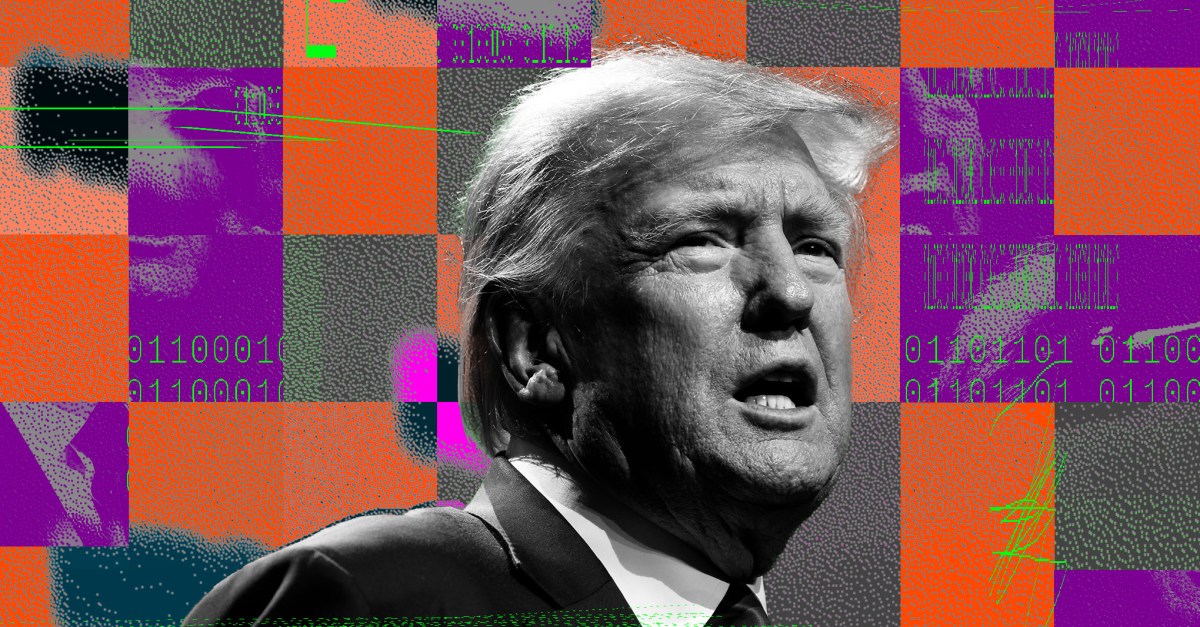
President Donald Trump’s AI Force announcement on September 19 offered a name and little else. In a Truth Social post, Trump said he plans to form an “AI Force” and appoint an AI “czar,” while making clear that his administration intends to encourage AI industry growth rather than impede it, according to CNN, the BBC and The Verge.
Trump compared the proposed body with the Space Force created during his first term. That comparison does not establish that the AI Force would be a military organization. CNN reported that it asked the White House whether the proposal would be a military branch, but its report included no response.
Trump did not identify a prospective czar or disclose the group’s membership, legal authority, mandate, budget, staffing or launch date. There is also no official White House release for the specific AI Force proposal in the material available so far.
What is the AI Force?
Based on the details disclosed so far, the AI Force remains an announced proposal. It could be an advisory group, a White House policy operation, a government task force or something else, but Trump has not said which, nor explained how it would relate to agencies and advisory structures already working on AI.
Trump said the United States should preserve its lead over China in AI. He also said existing criminal and civil justice systems could be used against people who misuse the technology. He announced no new AI-safety regulatory program.
The announcement arrived amid calls from some lawmakers, researchers and industry figures for safeguards or a slower pace of AI development, according to the BBC and CNN. Those calls are separate from Trump’s stated position. He has called fears about AI a hoax, while acknowledging in the post that the government would look for harmful uses.
An existing AI agenda is already in place
The administration has already published concrete AI policy, even if the new proposal lacks a blueprint. In July 2025, the White House released America’s AI Action Plan, describing more than 90 planned federal actions across innovation, AI infrastructure, and international diplomacy and security.
That plan calls for faster and modernized permits for data centers and semiconductor factories, along with removal of federal rules the administration says obstruct AI development and deployment. It also describes an effort by the Commerce and State departments to work with industry on AI technology packages for U.S. allies.
Trump used the new announcement to defend data centers, asserting that they bring higher salaries, lower taxes and safer streets. The Verge reported that he supplied no evidence for those claims. Al Jazeera reported that some U.S. communities have opposed data-center projects over natural-resource use and energy costs.
Who already advises Trump on AI?
David Sacks and Michael Kratsios already co-chair the President’s Council of Advisors on Science and Technology, or PCAST. The White House said in March that the council advises the president on strengthening U.S. science and technology leadership and will address emerging technology’s opportunities and challenges for workers.
Whether an AI czar would work through PCAST, replace any part of its role, or run the proposed AI Force is unknown. Until the White House provides the mechanics, the announcement is a policy signal, not a map of a new federal entity.
This story draws on original reporting from The Verge.