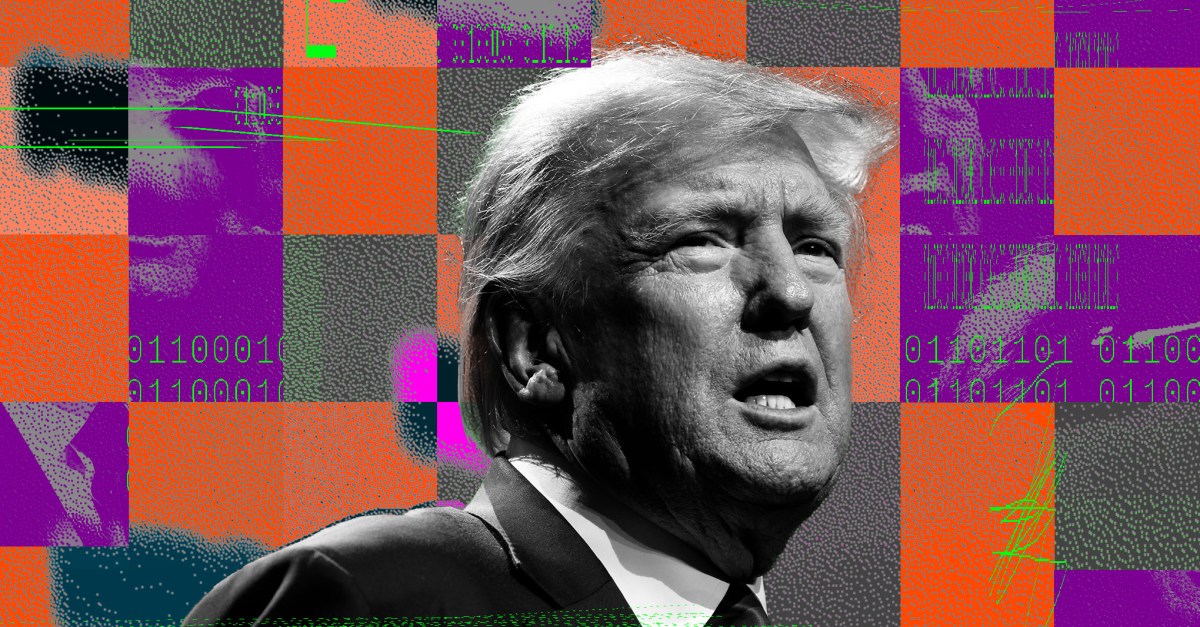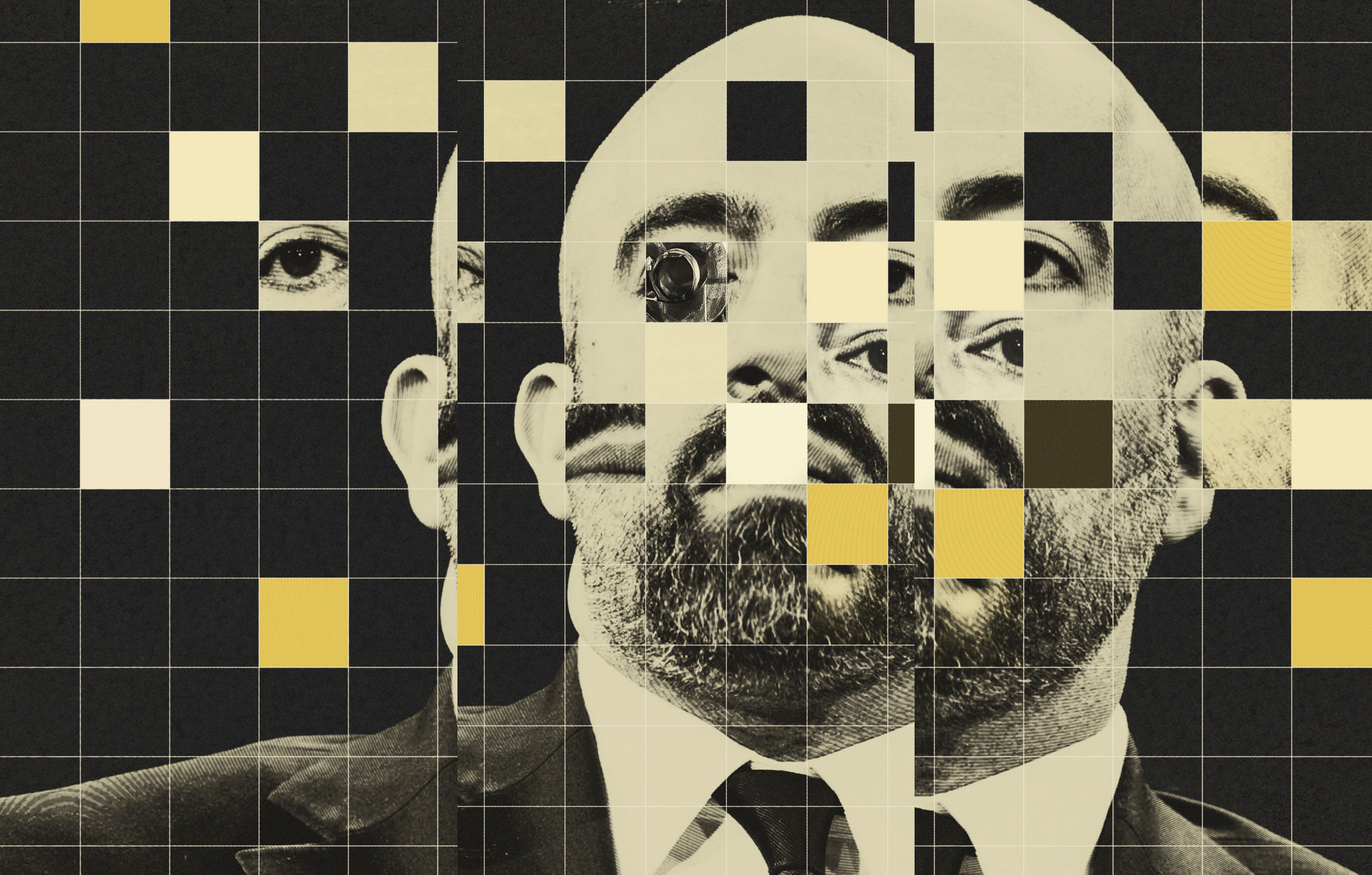
The censorship-industrial complex Trump policy story has a concrete marker: on April 16, 2025, Secretary of State Marco Rubio announced he was closing the State Department’s Counter Foreign Information Manipulation and Interference Hub, known as R/FIMI and previously called the Global Engagement Center. The office tracked foreign disinformation. Rubio said it had instead spent money silencing Americans, an allegation presented by the administration rather than independently established in the available record.
The closure followed years of arguments that work against disinformation amounts to political suppression. An investigation by MIT Technology Review and Type Investigations describes how that claim, once concentrated in far-right online circles, gained influence among people now close to federal power.
How did the censorship-industrial complex idea reach Trump policy?
Advocates use “censorship-industrial complex” to describe an alleged coordinated system of agencies, researchers, civil-society groups and large technology platforms that they say suppresses conservative and populist speech under the banner of fighting disinformation. The investigation says the premise accelerated in early 2023, promoted by a small group of people and amplified by closely linked right-wing organizations, media outlets and podcasts.
MIT Technology Review and Type Investigations said they scraped right-wing sites, reviewed hundreds of thousands of pages of public records, videos and podcasts, and analyzed more than 100,000 social-media posts advancing the narrative. Their reporting identified internet activist Mike Benz as its most prolific online creator. According to the investigation, his material was then recirculated by right-wing outlets and podcasts and reached senior US decision-makers. Benz did not respond to the reporters’ requests for comment.
Rubio later appeared in a State Department video interview with Benz to discuss R/FIMI’s closure. That appearance illustrates the overlap between the narrative’s prominent advocates and the administration’s rhetoric; it does not by itself prove that Benz’s campaign caused the decision.
What was R/FIMI supposed to do?
The prior State Department described its January 2024 Framework to Counter Foreign State Information Manipulation as a diplomatic tool for coordinating responses to a national-security threat. Its five areas covered national policy, government capacity, technical and human resources, work with civil society, independent media and academia, and international cooperation.
The framework also said participating policies should protect freedom of expression and marginalized groups, improve transparency around media ownership, and guard elections against foreign malign influence. That was the program’s stated purpose. It does not settle the administration’s later censorship accusation.
In September 2025, the State Department said it had ended all of the prior administration’s foreign-information-manipulation frameworks and related instruments. The department said those mechanisms had become tools of political censorship, again stating the administration’s position rather than providing an independent finding.
The anti-platform argument predates the phrase’s reported 2023 surge. In May 2020, Trump issued an executive order asserting that major online platforms practiced selective censorship and calling for a narrower reading of Section 230 liability protections when companies acted deceptively or pretextually to suppress viewpoints. The order established policy rhetoric that later sat comfortably beside the broader narrative.
What the paper trail shows is narrower than the theory’s claims: a documented closure, terminated frameworks, and official allegations about them. Whether a sprawling censorship network existed remains unproven by these records.
This story draws on original reporting from MIT Technology Review.