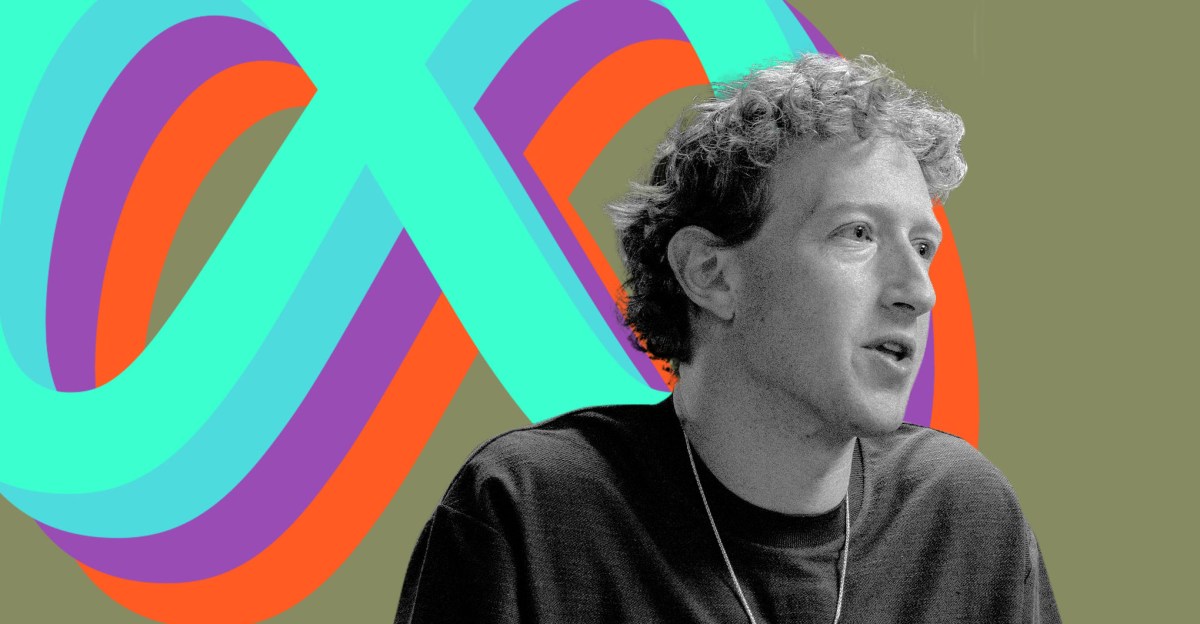
Mark Zuckerberg’s AI manifesto, a roughly 6,500-word essay published on August 10, sets out Meta’s preferred terms for building and distributing more capable AI systems. In “The Future is for Everyone,” Meta’s chief executive argues for broad access to what he calls personal superintelligence, while seeking fewer limits on some model-training practices and closer government involvement in security reviews.
The document is a policy pitch as much as a technology forecast. Zuckerberg presents Meta’s proposed access model, data-center commitments and safety process as ways to avoid concentrating AI power in a few companies or governments. The outcomes he predicts, including economic gains and widespread empowerment, remain claims rather than demonstrated results.
What does Mark Zuckerberg’s AI manifesto propose?
1. AI tailored to individuals rather than controlled by a few institutions. Zuckerberg says the greater danger is the concentration of superintelligent AI in a small number of companies or governments, according to The Indian Express. His alternative is “personal superintelligence,” systems shaped around a user’s goals and values. He says Meta aims to deliver it to billions of people and small businesses, free or as cheaply as possible. Zuckerberg acknowledges AI will change parts of work, but downplays the prospect of fewer jobs overall, The Verge reported.
2. Downloadable models and fewer constraints on training. Zuckerberg argues the US should lead in open-weight AI, which means a trained model can be downloaded and run by users without necessarily providing the underlying code or training data. That is not the same as open source, and The Verge notes Meta’s released models have not been fully open source. He also wants the US to reconsider restrictions on data use and distillation, the practice of using one model’s outputs to train another. His argument is that US developers could be disadvantaged against foreign labs facing fewer training-data limits.
3. Community promises alongside data-center construction. Meta says it plans to build energy-generating infrastructure wherever it invests, potentially allowing low-cost energy to flow back to host communities. Zuckerberg also said Meta would restore more water than it uses in watersheds where it operates by 2030, establish a Future Is For Everyone Fund, and offer free training and guaranteed high-paying skilled-trades jobs in data-center areas. These are commitments and plans, not completed projects or independently verified benefits.
4. A narrower form of government oversight. The essay does not reject regulation across the board. Zuckerberg favors frontier AI labs working with the US government on critical-infrastructure cybersecurity, and proposes sharing model-training information with government reviewers during development instead of only after training finishes. The Indian Express reported that he also recognizes cybersecurity and bioterrorism misuse risks. Critics, including Anthropic, have argued that making powerful models more broadly available can also make them easier for malicious actors to use.
The resulting position is selective governance: wider distribution of AI systems and looser rules for some inputs to development, paired with government coordination where Meta considers the security stakes high. It also puts Meta’s commercial and infrastructure expansion inside a public-interest argument that the company will still need to substantiate.
This story draws on original reporting from The Verge.