Microsoft’s climate math moved in the wrong direction last year. In its 2026 environmental sustainability report, the company said its carbon emissions rose 25 percent in 2025, reaching 34 million metric tons “without select interventions.” GeekWire earlier reported the figure.
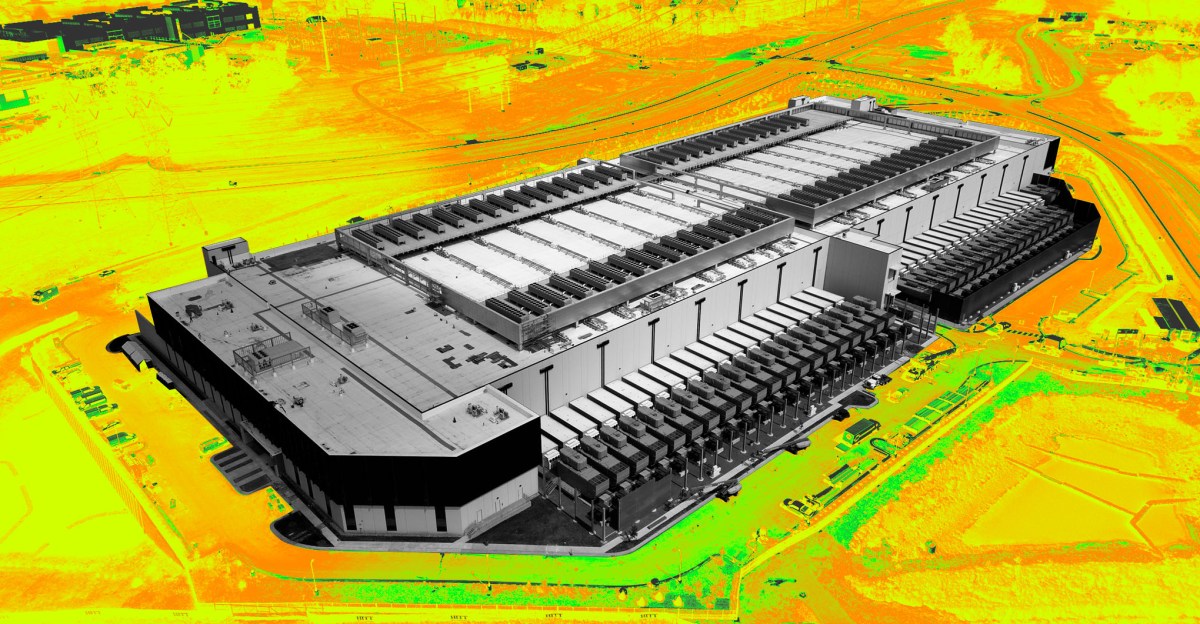
The reason Microsoft gives is not mysterious: more data centers. The company said the increase was driven mainly by the expansion of its data center infrastructure, along with a change it announced last February to stop buying “non-additional, unbundled renewable energy certificates.” In less brochure-friendly terms, Microsoft is building out the physical plant needed for cloud and AI workloads faster than its carbon reductions can absorb.
That is a problem for a company that promised in 2020 to become carbon negative by 2030. Microsoft defines that target as removing more carbon from the atmosphere than it emits. The new report does not say the company has abandoned the goal, but the numbers make the climb steeper.
Microsoft’s own report is unusually blunt about the mismatch. It says that while AI infrastructure is increasing demand for energy, water, land, and materials, “sustainability solutions are not scaling fast enough to meet demand.” That sentence does a lot of work. AI does not live in a clean abstraction layer. It runs on servers, in buildings, using electricity, cooling systems, chips, concrete, metals, and land. The report says the systems meant to offset or reduce that load are not growing at the same pace.
The renewable energy certificate change also matters because corporate emissions accounting is partly a paper system. Companies can buy certificates associated with renewable electricity generation to offset power use on their books. Microsoft said it stopped buying the specific category of non-additional, unbundled certificates last year. Whatever one thinks of that accounting choice, removing those certificates makes the remaining emissions harder to massage away.
This is not Microsoft’s first ugly sustainability update. Its 2024 sustainability report also showed rising climate pollution, another sign that the company’s AI and cloud buildout is colliding with its 2030 climate pledge.
Microsoft is not alone among the large cloud companies dealing with dirtier growth. Google reported a 25 percent increase in supply chain emissions in its own 2026 sustainability report. Amazon reported a 16 percent increase in its sustainability reporting. In June, Amazon also said its data centers used 2.5 billion gallons of water in 2025, and claimed that figure was lower than Microsoft’s data center water use.
The pattern is hard to miss: the companies selling AI as the next computing platform are also reporting higher burdens from the infrastructure that makes it run. Microsoft’s latest report puts a number on that tension, and the number went up.
This story draws on original reporting from The Verge.