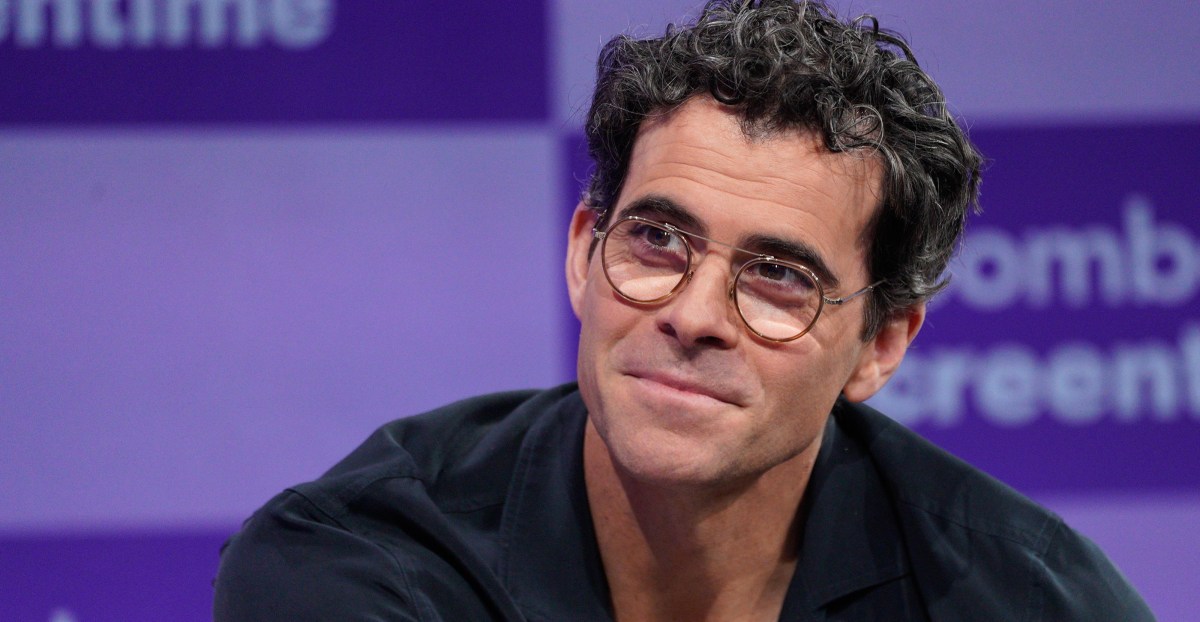
Instagram head Adam Mosseri said users who do not want AI-generated posts in their feeds should be able to avoid them through Instagram’s ranking system, even as he rejected the idea of removing AI material from the platform outright.
Speaking on Lenny Rachitsky’s podcast, Mosseri said, “I don’t think we should filter out AI content.” His preferred version is disclosure and personalization: Instagram should tell people when it believes a post was made with AI, then use user preference to shape what appears in the feed.
That distinction matters because a label and a filter do different jobs. A label tells users what they are looking at, assuming the platform can identify it. A feed-ranking signal changes how often a user sees that kind of post. A hard filter would let users exclude AI-generated material wholesale. Mosseri is still not offering that last one.
“If you don’t like AI, then you shouldn’t have it in your feed,” Mosseri said in the interview. He also said people who enjoy AI material should be able to get a feed that is “just AI town.”
Detection is the weak link
Mosseri acknowledged the awkward technical problem sitting underneath the policy: spotting AI-generated media is already difficult, and it may get worse as image and video models improve. He said Instagram may “lose the ability” to reliably detect AI posts over time.
His proposed answer sounds less like a magic detector and more like a probability meter. Mosseri said users should be able to ask whether something was made with AI, and Instagram should respond with a confidence level, such as probably, uncertain, definitely not, or definitely is not.
He also said it may be “more practical” to label content captured by a camera, rather than chase every synthetic image after the fact. That echoes his earlier comments from December 2025 about fingerprinting “real media,” a system that would try to authenticate the origin of camera-captured content instead of only detecting generated output after it spreads.
That is a neat inversion of the current content moderation headache. If synthetic media gets too good to catch consistently, platforms may start treating verified camera output as the special category, leaving everything else in the murky bucket. Users who wanted an “AI-free” switch would still not get a clean one.
Meta is also adding more AI creation tools
Mosseri said Instagram needs to “figure out how to crack down” on spammy AI content. At the same time, Meta is building more AI creation features into Instagram.
One recent example is Muse Spark, Meta’s AI image generator. Instagram users can use the tool to place other users into AI-generated creations by tagging them, according to Meta’s rollout. Haley McNamara, executive director of the National Center on Sexual Exploitation, criticized the feature, saying it “creates obvious and foreseeable opportunities for exploitation, sexual abuse, harassment, and identity fraud.”
Instagram’s position, as described by Mosseri, is therefore a familiar platform compromise: label AI when possible, rank it according to taste, police the spam, and keep the generator running. For users asking for a hard off switch, that is still a no.
This story draws on original reporting from The Verge.