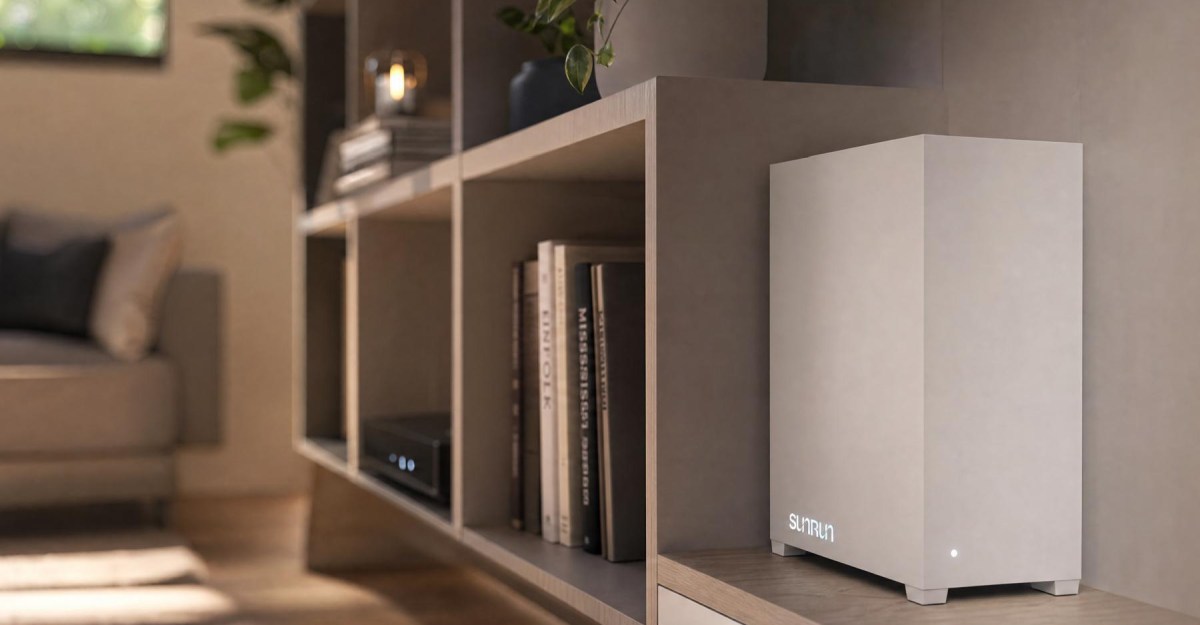
Sunrun is moving beyond rooftop solar and home batteries with a pilot program that would put small AI compute nodes inside some customers’ homes, then pay those customers for hosting them.
The company said it is launching a distributed AI compute program for homes already equipped with Sunrun solar and battery storage systems. Instead of building a conventional data center, Sunrun plans to spread computing hardware across many residential sites and sell the combined capacity to enterprise compute buyers, including AI companies.
That is the pitch, at least. Sunrun said customers who take part in the pilot will be compensated, but it has not disclosed payment amounts, hardware specifications, power requirements, networking requirements, or how the devices would be installed and maintained. Those omissions matter. A compute node is not magic dust. It is a physical machine that consumes electricity, produces heat, needs connectivity, and has to be managed when it breaks or misbehaves.
Sunrun frames the plan as a way to build a “nationwide compute network” using homes that already have its energy systems. The company said it has already completed a proof of concept that it described as successful, though it has not released enough detail to judge performance, reliability, cost, or whether the model can scale beyond a trial.
Why Sunrun is trying this now
AI companies need more compute capacity, and traditional data centers have become harder to sell to the public. Communities have pushed back against new facilities over concerns including electricity demand, water use, noise, and pollution. A survey released in May found that more than 70 percent of Americans opposed construction of new data centers near them.
Sunrun’s model tries to route around that fight by breaking the data center into smaller pieces and placing those pieces in private homes. The mechanism is straightforward: many small nodes would contribute compute capacity to a larger network, and Sunrun would package that capacity for commercial buyers.
The hard parts are the parts Sunrun has not yet explained in public. Distributed systems can reduce the need for one large site, but they also add coordination problems. The company would need to keep many machines online, secure, and useful to buyers that usually want predictable capacity. It would also need homeowners to accept hardware in their living space, garage, or utility area, depending on whatever installation model Sunrun chooses.
The pilot is still a test
Sunrun said its 1.1 million customers can join a waitlist for the pilot if they are willing to host a compute node. The company expects to finish the pilot over the coming months and said it will review the results before deciding whether to expand the program.
For customers, the offer is a trade: let Sunrun place compute hardware in the home in exchange for compensation. For Sunrun, it is a bet that its existing solar and battery customer base can become infrastructure for AI compute buyers. For now, the company has announced the concept, not proven the business.
This story draws on original reporting from The Verge.