Alphabet, Amazon, Meta, Microsoft and Oracle have roughly $1.65 trillion in AI-related obligations sitting outside their balance sheets, according to a Nikkei Asia report. The figure is about 122% of the $1.35 trillion in debt those companies record on their balance sheets, according to the report.
Nikkei Asia says the commitments appear in quarterly financial disclosures rather than as balance-sheet liabilities. That distinction is dull accounting until the bills arrive, which is the point: investors looking only at recorded debt may miss the scale of compute and data-center commitments these companies have already signed.
The largest example cited by Nikkei Asia is Meta. The report says Meta has about $420 billion in off-balance-sheet obligations, compared with $140 billion of debt listed on its balance sheet. Oracle’s hidden-debt figure is $273.3 billion, according to Nikkei Asia, which said that represents a 2,900% increase from its 2022 level.
How the obligations stay off the balance sheet
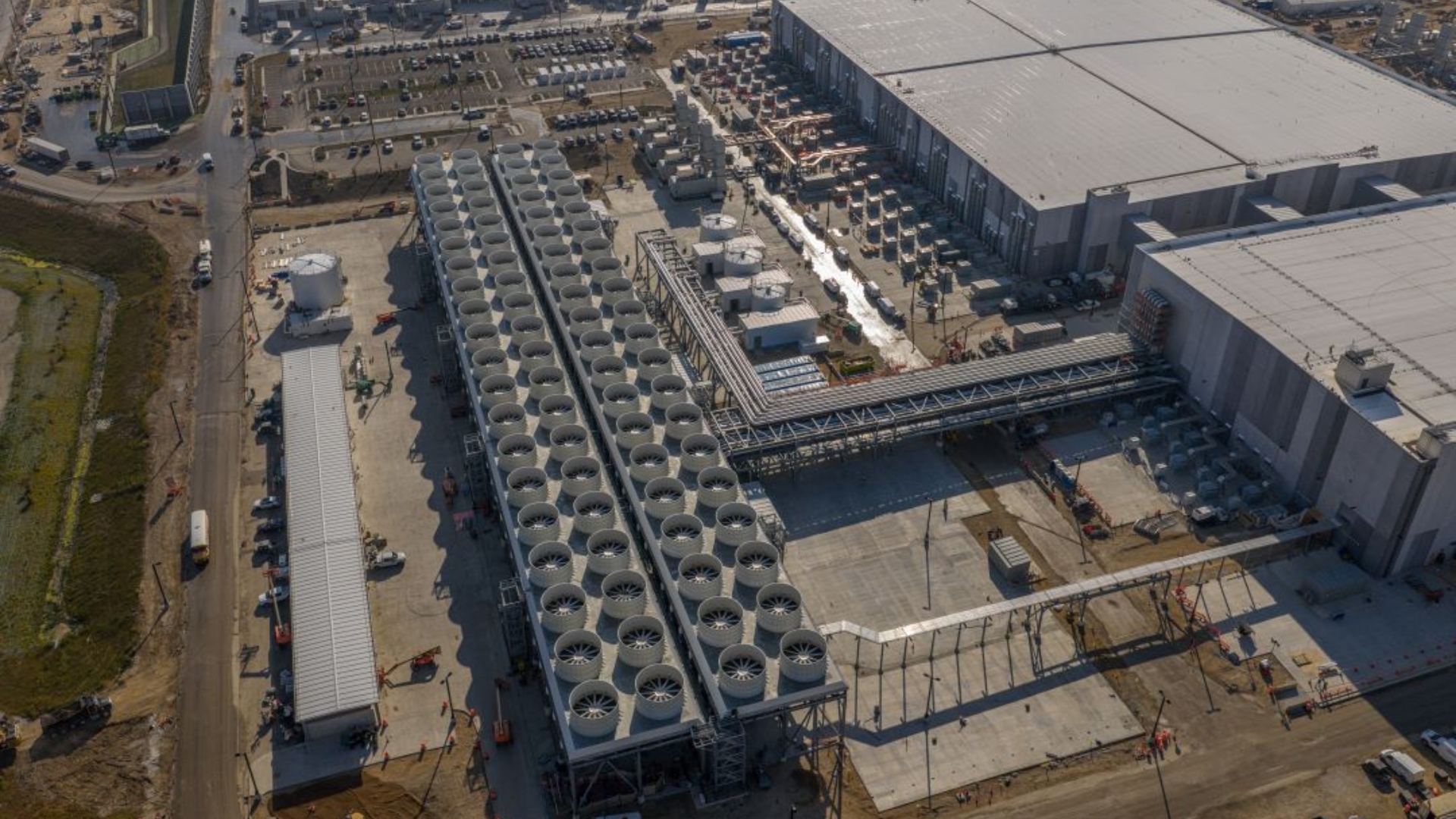
The mechanism is not described as illegal. Nikkei Asia says the obligations come from long-term contracts that have been signed but have not yet taken effect. Many of those deals are tied to data centers and AI infrastructure that are still being built.
In plain English: a cloud company agrees to buy compute capacity from a data-center operator once a project starts running. Since the service has not begun, the obligation can sit in the notes to financial statements rather than appear as current debt. Once the facility goes live, the buyer has to pay for the contracted capacity under the terms of the deal.
That structure is useful if demand keeps rising. It is also a trapdoor if demand falls short. Nikkei Asia says the companies may owe payments for compute capacity whether or not customers show up to use it.
The report also says the spending commitments are exceeding earnings, pushing the companies to rely more on corporate bonds and new shares to fund their AI buildouts. That is the less glamorous side of the AI boom: GPUs, power, buildings and networking gear do not pay for themselves because a slide deck says “agentic.”
Cloud backlogs are the defense
Nikkei Asia also reports that Alphabet, Amazon and Microsoft have a combined cloud services backlog of $1.45 trillion. Those are services contracted but not yet delivered and paid for, which gives the companies a counterargument: they are not buying capacity in a vacuum.
Amazon Web Services CEO Matt Garman told Nikkei Asia that Amazon’s investments are “not speculative.” That is a claim from the company with the largest cloud business, and it rests on the assumption that customers will keep buying enough compute to absorb the capacity now being locked in.
The risk is timing and utilization. AI compute demand is rising, but the economics remain unsettled. The report points to corporate concerns over high AI usage costs, including cases where agent-style AI systems consume far more tokens than ordinary AI use. Some companies, according to the report, have reduced AI use or shifted toward cheaper Chinese and open-source models.
Nikkei Asia also invoked Enron’s 2001 collapse as a historical warning about obligations kept outside ordinary balance-sheet presentation. The report does not accuse the tech companies of fraud or of hiding bad assets through special-purpose entities. Its narrower point is that obligations can behave like debt even when accounting rules do not label them that way.
For investors, the question is less whether the footnotes exist and more whether they are being read. The AI infrastructure bill is already large. Nikkei Asia’s report says a substantial part of it is waiting in the fine print.
This story draws on original reporting from Tom's Hardware.