Alphabet free cash flow turned negative in the second quarter of 2026, with Google’s parent reporting a $5.9 billion deficit after capital expenditures climbed to $44.9 billion, according to the company’s earnings release. The quarter was Alphabet’s first with negative free cash flow since its 2004 IPO, as AI infrastructure spending exceeded the $39.1 billion in cash generated by operations.
The company is still throwing off cash over a longer window. Alphabet said trailing 12-month free cash flow remained positive at $53.3 billion. The quarterly swing shows how aggressively Chief Financial Officer Anat Ashkenazi and Alphabet’s management are funding the AI buildout, including data centers, networking gear and Google’s tensor processing unit systems.
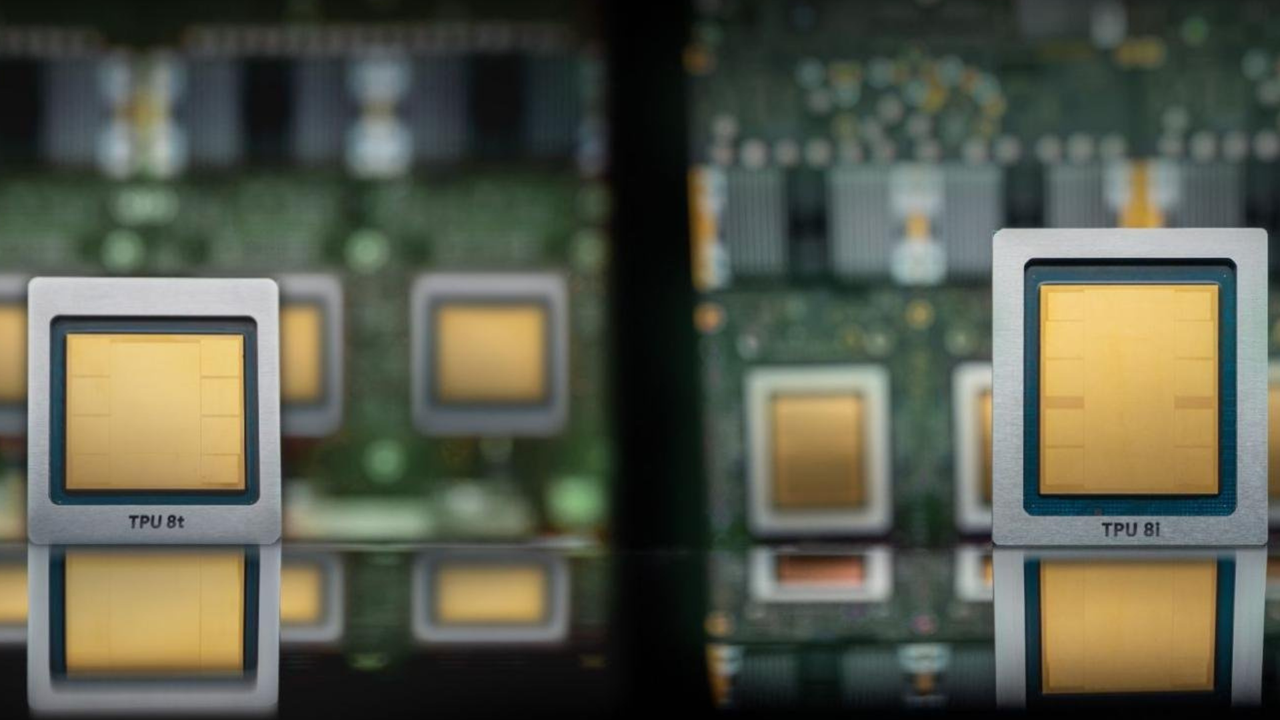
Ashkenazi raised Alphabet’s full-year capital expenditure forecast to $195 billion to $205 billion, up from the prior $180 billion to $190 billion range. She also told analysts that Google delivered TPU systems to customers’ own data centers for the first time in the quarter, moving beyond the earlier model of renting those chips through Google Cloud.
Why is Alphabet free cash flow negative?
Free cash flow turns negative when a company spends more on capital projects than it generates from operations in a period. In Alphabet’s case, the pressure came from AI data center and compute spending, rather than a collapse in the advertising or cloud businesses described in the earnings materials.
Ashkenazi told analysts that about 60% of technical infrastructure investment in the quarter went to servers. The rest went to data centers and networking equipment. That split matters because the incremental dollar is buying compute capacity, much of it tied to Google’s own TPU systems, instead of only concrete, steel and electrical hookups.
The spending also flows back through Alphabet’s income statement over time. Property and equipment depreciation rose to $7.1 billion in the quarter from $5.0 billion a year earlier, and Ashkenazi said higher depreciation and energy costs would continue to weigh on profit and loss.
She said Alphabet remained in a supply-constrained environment. To cover demand before its own facilities are ready, the company is renting some third-party capacity, which she said would create modest margin pressure for Google Cloud in the third quarter.
How do TPU sales change the AI spending picture?
Google’s TPU shift makes part of the capex cycle look more like hardware inventory than permanent infrastructure. Ashkenazi said the first TPU systems were delivered to customer data centers in Q2 and that most revenue from those agreements would be recognized in 2027.
Alphabet’s balance sheet showed inventory of $10 billion on June 30, compared with $2.4 billion at the end of 2025. Hardware built for customer sale can later return cash as revenue. Data center spending has a slower payoff, through services sold over years while the assets depreciate.
Anthropic is one named driver of external TPU demand. Under an October 2025 agreement, the Claude developer gained access to up to one million TPUs and more than 1 GW of capacity coming online this year. A Broadcom securities filing in April added roughly 3.5 GW of TPU capacity from 2027 and covered future TPU generations through 2031, according to the filing described in the materials.
How is Alphabet paying for the buildout?
Alphabet raised outside capital during the quarter. The company issued Class A, Class C and mandatory convertible preferred stock in June for net proceeds of $49.6 billion, earmarked in the release for capital expenditures to scale AI infrastructure and global compute. It also sold $20.3 billion of senior unsecured notes.
Long-term debt reached $98.2 billion on June 30, up from $46.5 billion at the end of 2025. Ashkenazi said free cash flow would remain under pressure and confirmed capital expenditures would rise significantly again in 2027.
The bet is being underwritten by booked cloud demand. Google Cloud revenue rose 82% to $24.8 billion in the quarter, with a 35.6% operating margin, while backlog reached $514 billion. Alphabet said just over half of that backlog is expected to become revenue within 24 months.
This story draws on original reporting from Tom's Hardware.