ASUS Computer International has picked up two Future Best of Show Awards from Tech & Learning at ISTELive 2026, with the ROG G700 gaming desktop recognized in higher education and the NUC 16 Pro recognized in secondary education.
The awards were judged by industry experts and Tech & Learning editors using criteria that included innovation, features, reliability and performance. That makes this less about another badge on a product page and more about a familiar pressure point for schools: whether high-end PC hardware can survive shared labs, esports schedules and newer AI workloads without turning into an IT sinkhole.
ROG G700 targets campus esports labs
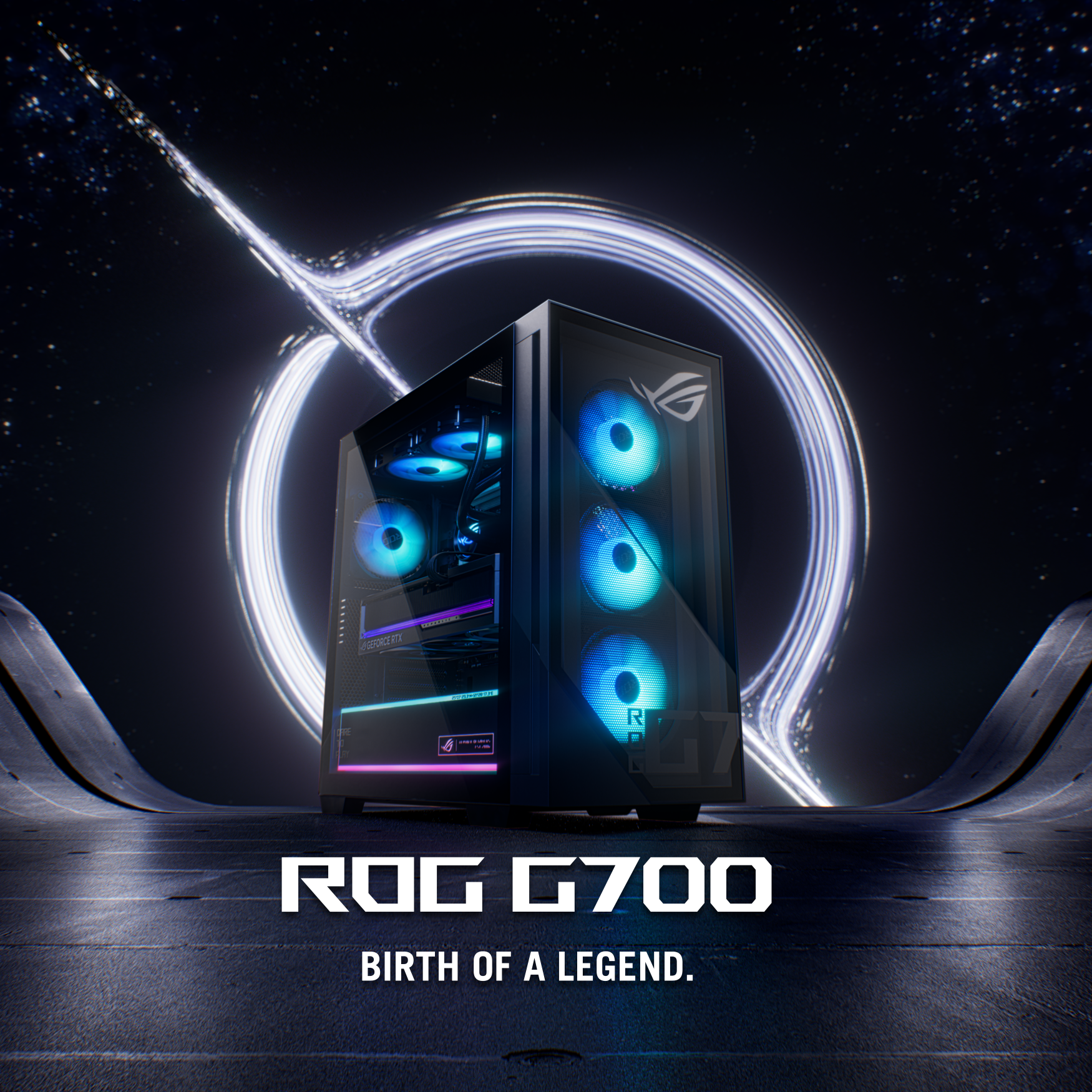
The ROG G700 is a full-tower gaming desktop from ASUS Republic of Gamers built from ROG and ASUS components. Its top configuration uses an Intel Core Ultra 9 285K processor and an NVIDIA GeForce RTX 5090 GPU, backed by a 1000W power supply in a 58-liter chassis.
Those parts put the machine well outside the normal classroom desktop category. The practical detail for universities is the chassis: ASUS uses standard-sized components and a tool-less design, which should matter to IT teams maintaining banks of identical PCs in esports rooms and tournament setups. A quad-fan airflow layout, optional 240mm all-in-one liquid cooler and dust filters are included for longer lab deployments.
ASUS said the G700 was used during the 2025-2026 academic year as part of one of ROG’s largest collegiate esports deployments. The company served as the official PC provider for NACE, PlayVS and NECC, organizations it described as covering more than 4,000 athletes across 150-plus institutions, more than 900 campuses, and more than 500 colleges and universities, respectively.
Shawn Chang, general manager of the System Business Group at ASUS North America, said the award was tied to actual tournament use, with the G700 deployed throughout the season. He also framed esports as a route into teamwork, communication, strategy, STEM, game design and content creation.
NUC 16 Pro brings AI acceleration to smaller desks
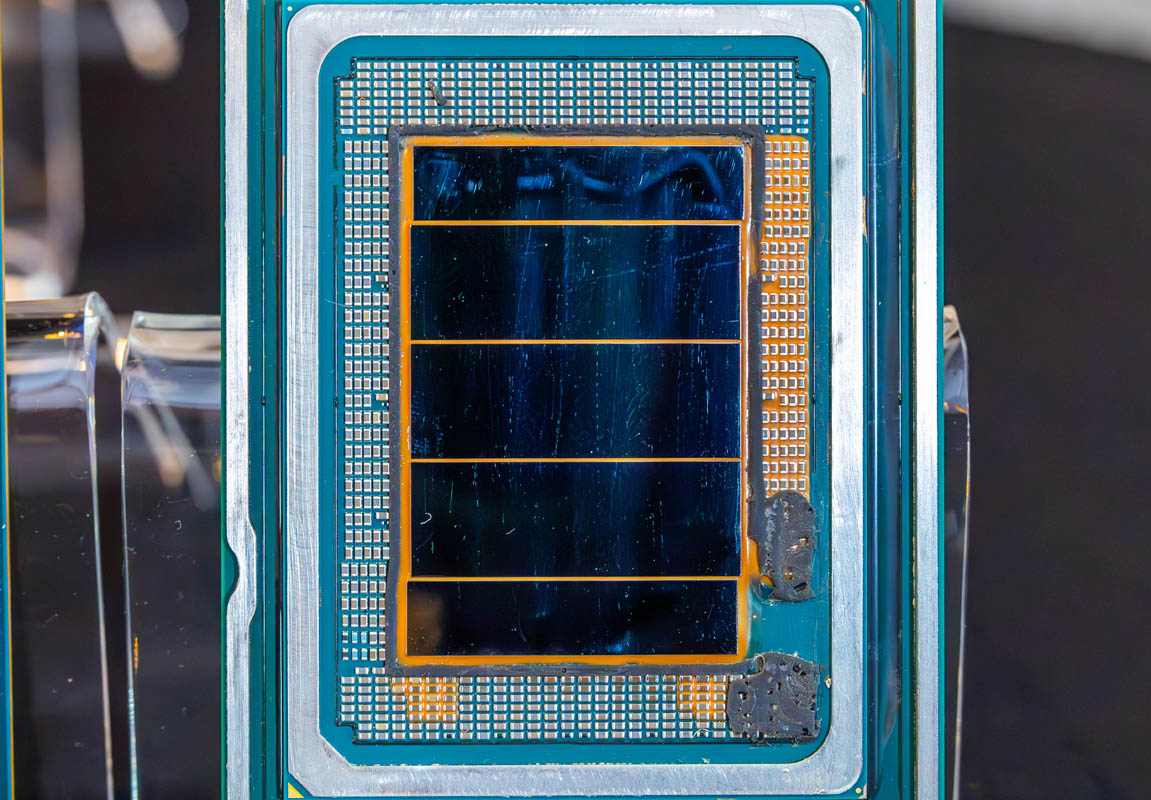
The NUC 16 Pro sits in a different part of the education stack. It is a compact PC designed to mount behind a monitor, a layout that schools use when they want managed desktops without filling labs with tower cases.
ASUS says the NUC 16 Pro pairs Intel Core Ultra 3 processors with Intel Arc B390 graphics and delivers up to 180 TOPS of AI performance. That figure is the hook: schools are being asked to support more AI-assisted learning tools and heavier creative workloads, while still buying machines that can be deployed by the cartload and administered centrally.
The company positions the system for applications such as Adobe Premiere Pro, Blender and AutoCAD in STEAM programs. For administrators, the more relevant pieces may be the tool-less design and ASUS Control Center, which provides remote management from a central dashboard.
ASUS also lists MIL-STD-810H certification for temperature, vibration and shock testing, along with a dual-fan thermal design, a three-year warranty and 24/7 support. In schools, those details are not glamorous, but they often decide whether a lab stays usable after the first semester.
Taken together, the awards put ASUS education PC hardware in two fast-growing procurement categories: competitive gaming infrastructure for colleges and compact AI-capable desktops for classrooms and campus labs.