The CXMT IPO turned into one of the wilder semiconductor listings on Shanghai’s STAR Market on Monday, with ChangXin Memory Technologies closing its first trading day at 49 yuan, about 466% above its 8.66 yuan offer price. The move valued China’s only volume DRAM producer at roughly 3.3 trillion yuan, or $487 billion, putting it ahead of Industrial and Commercial Bank of China on the mainland market.
CXMT raised 57.92 billion yuan, or $8.6 billion, in what was described as Asia’s largest IPO of 2026. The company’s prospectus shows the named investment plans are aimed at the DRAM business it already runs, rather than a near-term buildout for high-bandwidth memory, the expensive stacked memory used beside AI accelerators.
Why is CXMT spending on DRAM instead of HBM?
The prospectus allocates 29.5 billion yuan across three named projects: 13 billion yuan for DRAM technology upgrades, 9 billion yuan for next-generation DRAM research, and 7.5 billion yuan for memory wafer line improvements. It does not list a dedicated HBM project or disclose a specific commitment to expand HBM production soon. CXMT describes the remaining roughly 28 billion yuan as working capital, without a more detailed public split.
That is a practical choice as much as a strategic one. Conventional DRAM produces more than three times as many bits per wafer as HBM, according to the figures cited. SemiAnalysis models CXMT’s 8-high HBM3 yield at about 25%, which is not where a manufacturer wants to be if it is trying to print cash from AI memory demand.
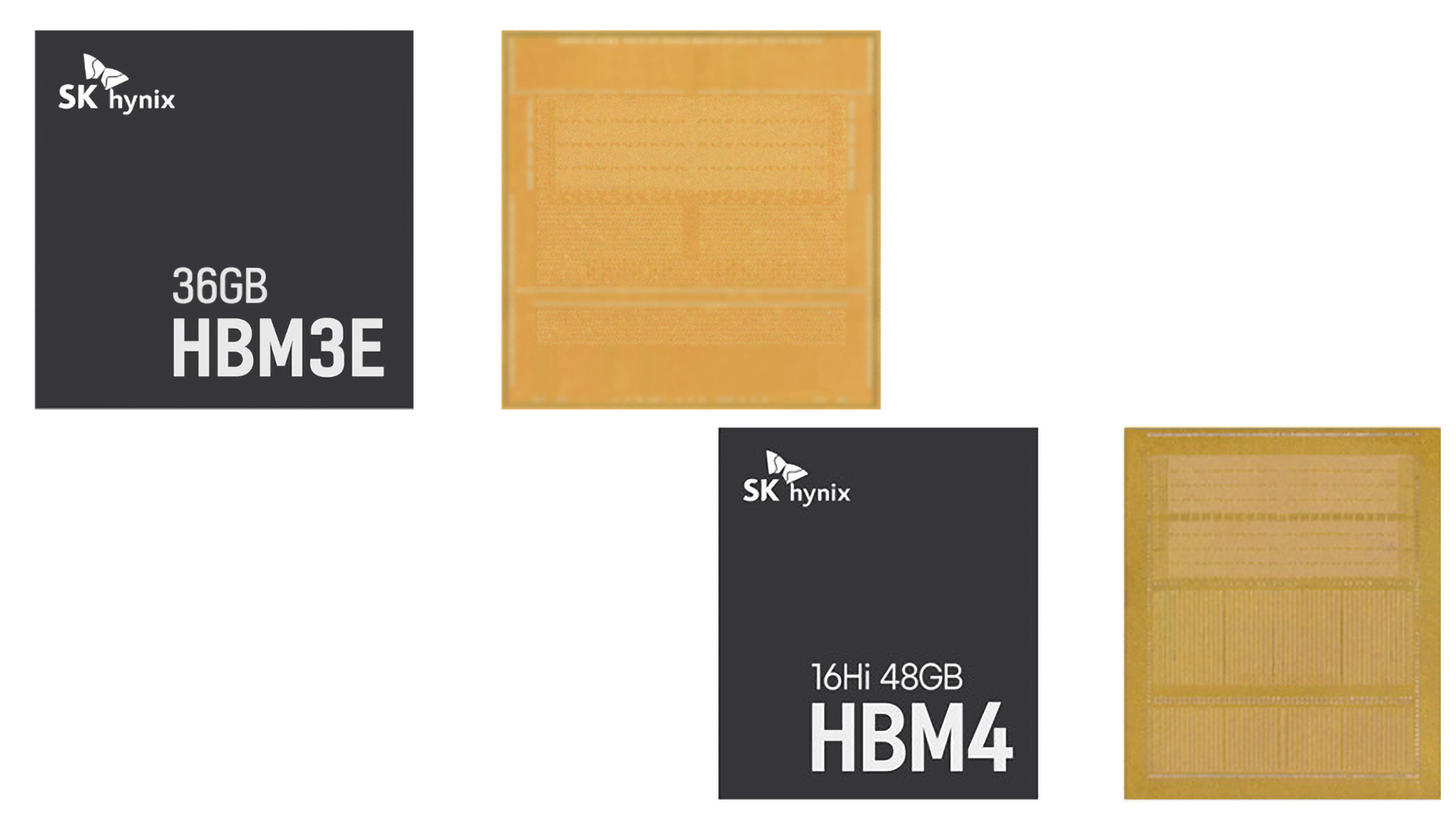
HBM, or high-bandwidth memory, stacks DRAM dies and connects them with very dense vertical links so data can move quickly to GPUs and other accelerators. It is more complex to manufacture than commodity DRAM, and weak yields can turn nominally valuable wafers into expensive scrap.
SemiAnalysis estimates CXMT’s DDR5 cost per bit is more than 30% higher than Samsung, SK hynix and Micron. The research firm also estimates CXMT will add about 85,000 DRAM wafer starts per month this year, compared with 60,000 for SK hynix, 30,000 for Micron and 15,000 for Samsung.
Citrini Research’s model puts CXMT on track for roughly 350,000 wafer starts per month by the end of 2026, within 25,000 of Micron’s total. A Shanghai fab described as two to three times larger than CXMT’s Hefei headquarters is expected to reach volume production in 2027, according to the same reporting.
Who is buying CXMT memory?
DigiTimes, citing supply chain sources, reported that CXMT’s output is already booked through the end of 2027, with Dell, HP, Lenovo and Apple ahead of smaller customers in the queue. CXMT also signed a five-year server DRAM agreement worth more than $7 billion with ByteDance this month and a $3 billion deal with Tencent in June. Server products rose from 8.4% of CXMT’s revenue in 2024 to 26.5% last year.
Analysts are split on what the listing price implies. Nomura began coverage with a buy rating and a 116 yuan target, based on an expectation that CXMT’s share of global DRAM output rises from about 10% now to 18% by the end of 2028. Morningstar’s fair value estimate is 14.90 yuan, less than a third of Monday’s close, citing CXMT’s lack of access to EUV lithography as a limit on further conventional DRAM scaling.
Nomura’s downside case assumes possible equipment and materials embargoes and lowers its 2027 to 2028 net profit estimates by 30% to 33%. The float also leaves room for weird trading: only 6.73% of CXMT’s enlarged share capital was tradable at listing, and the lock-up expires on January 27, 2027.
For PC buyers, CXMT’s rise has not yet produced cheap memory. Retail DDR5 kits using CXMT dies have tracked pricing from the three dominant suppliers, and early testing cited in the reports found weaker voltage scaling and overclocking behavior than SK hynix dies.
This story draws on original reporting from Tom's Hardware.