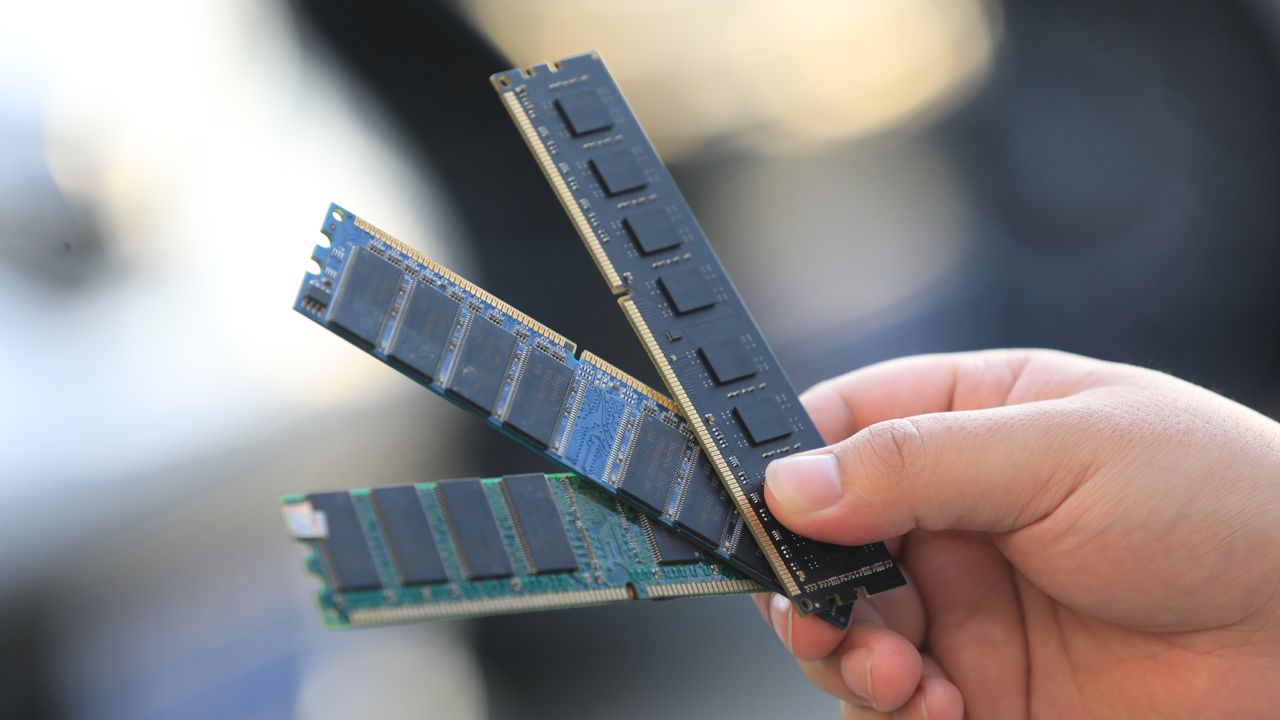
A DRAM supply 2027 crunch could leave independent memory module makers with barely a third of the chips they received this year, according to C.K. Chang, chief executive of Taiwanese memory vendor Apacer. Chang told investors on July 24, and later told media, that shortages are likely to continue at least into mid-2027 even if price increases cool later in 2026.
Chang’s warning is specific. He was not saying global DRAM output will collapse by 70%. He was describing the amount of DRAM that major manufacturers may allocate to downstream companies such as Apacer, which buy memory wafers and turn them into DIMMs, SSDs and embedded storage products.
For Apacer, Chang said the main risk has shifted from paying too much for memory to failing to get memory at all. That is the sort of supply-chain sentence nobody enjoys hearing unless they already have a warehouse full of chips.
Apacer said its inventory reached NT$12.4 billion, about $383.2 million, at the end of June. That was up from NT$8.38 billion, about $259 million, one quarter earlier, a rise of roughly 48%. The company is also arranging a syndicated loan of as much as NT$4 billion, about $123.6 million, over five years so it can buy more chips when suppliers make them available, among other uses.
Why could DRAM supply tighten in 2027?
Chang attributed the squeeze to the way Samsung, SK Hynix and Micron are allocating production. He said the largest memory makers are steering more capacity toward high-bandwidth memory, server DRAM and other products sold directly to large AI and cloud customers.
High-bandwidth memory, or HBM, is stacked DRAM used with AI accelerators where bandwidth matters more than ordinary PC-style capacity. It is expensive, in demand and attractive to suppliers, which leaves ordinary DDR4 and DDR5 buyers fighting over a smaller pool.
Chang estimated that about 60% of DRAM capacity is now going to server-related uses. He said DDR5 RDIMM server modules have seen some of the sharpest price increases and still have room for further markups. Demand remains strong from AI servers, enterprise storage, industrial computers and edge AI systems, while PC and smartphone buyers are more sensitive to rising prices.
NAND flash is being pulled in the same direction, according to Chang. High-capacity enterprise SSDs are being used for AI model storage, data staging and key-value cache offloading. Flash cannot replace DRAM because it is much slower and offers lower bandwidth, but it can sit in a cheaper tier below DRAM in AI systems.
Chang expects DRAM contract prices to rise by about 30% in the third quarter of 2026, with NAND flash prices climbing more than 20%. He expects the pace of increases to slow in the fourth quarter. Other analysts cited in the market have projected a 40% DRAM price increase in the third quarter.
Chinese suppliers are not an immediate release valve, in Chang’s view. He said CXMT’s DDR5 has become competitive and that CXMT and YMTC have narrowed price gaps with established suppliers. But he also said Chinese domestic demand already exceeds available supply, while capacity, yield, validation and compatibility limits remain.
Apacer’s bet is blunt: expensive inventory may hurt if the market turns, but empty shelves would hurt sooner if allocations shrink as Chang expects.
This story draws on original reporting from Tom's Hardware.