The FCC Chinese optical transceiver ban is not a ban yet. Reuters reported on Aug. 4 that the Federal Communications Commission is drafting a measure that would block U.S. imports of new models of Chinese optical transceivers, citing four people familiar with the matter. Officials hope to publish the measure in 2026, but the sources said it could still change or be shelved.
That distinction matters. No proposed FCC text is available in the reporting, so key boundaries remain unknown: what qualifies as a Chinese supplier, what counts as a new model, and whether a product assembled outside China by a Chinese company would fall within the restriction.
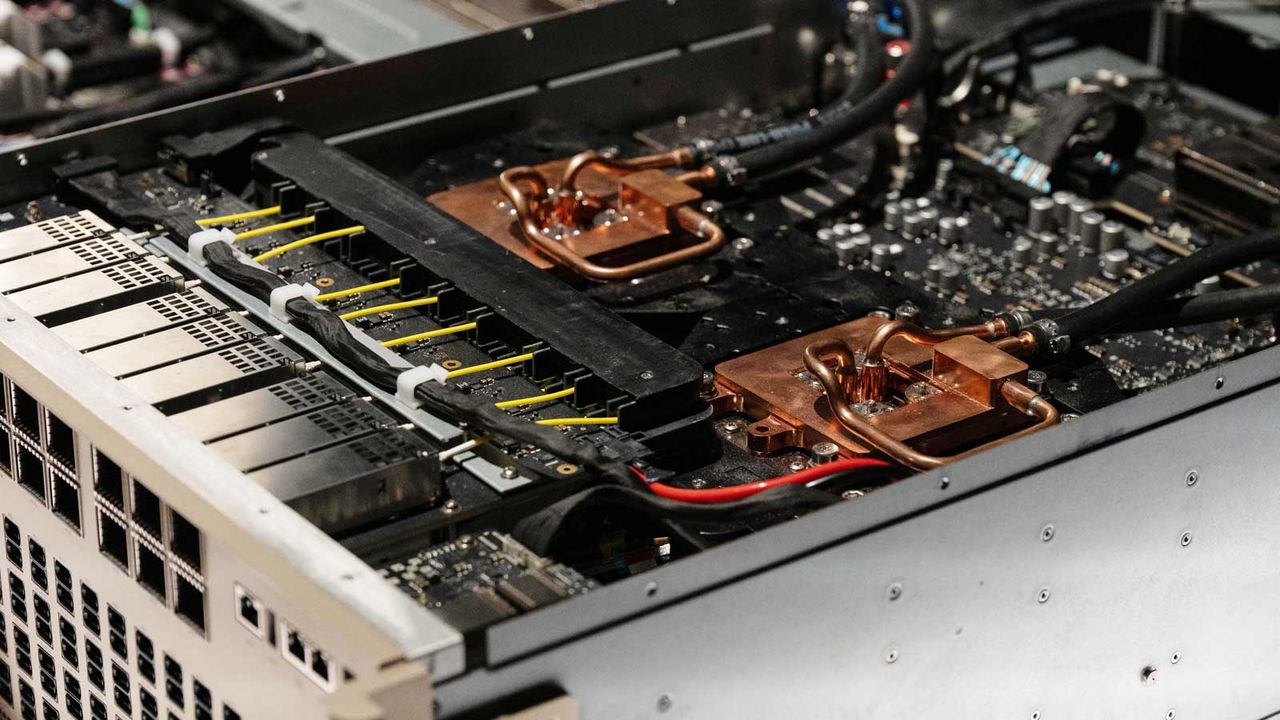
Optical transceivers are the small networking components that turn electrical signals into light and back again, sending data through fiber-optic cables inside data centers. AI clusters need many of them to connect servers and accelerators at high speeds. The proposed restriction would concern future product models, not a confirmed order to remove installed equipment or halt all Chinese networking gear.
Why would the FCC restrict Chinese optical transceivers?
According to Reuters, the reported rationale is data-center security. The administration wants to prevent Chinese firms from stealing data, installing malware, or disrupting service in U.S. facilities that train and run AI models. The White House and the FCC did not respond to Reuters’ requests for comment.
The security case is being considered alongside a thoroughly awkward supply-chain fact: Chinese manufacturers are heavily represented in this market. TrendForce estimated that Chinese optical-module makers account for about 56% of global manufacturing capacity in 2026, as reported by Tom’s Hardware. That is a capacity estimate, not a revenue share or a measure of shipments.
Other figures describe different slices of the business. Reuters cited Counterpoint Research’s estimate that Zhongji Innolight alone holds a 27% share of the global data-center transceiver market. Yahoo Finance, reporting an Investing.com account of Counterpoint analysis, said Chinese vendors account for about 60% of optical-datacom transceiver revenue and roughly two-thirds of supply. Those measures are not interchangeable, and they do not turn the 56% estimate into a settled global market-share figure.
Could other suppliers replace Chinese transceivers?
That is the operational problem for cloud companies. Reuters reported that U.S. suppliers Coherent and Lumentum sell competing technology but lack the scale to replace Chinese vendors, citing the Foundation for American Innovation. A Counterpoint analyst separately told Investing.com that the required cleanroom, automated packaging and production-yield capacity could not be substituted within 12 to 24 months.
Those are forecasts, not established effects of a rule that has not been published. Still, Reuters reported that a forced shift to other producers could raise costs for U.S. cloud providers, including Amazon Web Services. The supply chain is also less national than the proposal’s shorthand suggests: Chinese module makers use digital signal processors from Broadcom and Marvell and laser components from Lumentum, Coherent and Mitsubishi Electric, according to the Counterpoint material reported by Yahoo Finance.
Investors reacted to the Reuters report as though redirected orders were plausible. Lumentum shares rose 7%, Coherent 11%, and Applied Optoelectronics 18%, Reuters said. China’s embassy in Washington said Beijing would take necessary measures against actions that caused material harm to its interests.
This story draws on original reporting from Tom's Hardware.