Imperial Valley Computer Manufacturing has sued to secure Colorado River water for cooling a proposed 330-megawatt AI data center in California’s Imperial Valley, Business Insider reported. The Imperial Valley data center water dispute matters because the project was originally pitched as avoiding Colorado River water, and because even a small transfer can get ugly fast in a farming region built around irrigation.
The company is seeking about 287 million gallons a year, roughly 750,000 gallons a day, after the cities of El Centro and Imperial declined to provide reclaimed wastewater for cooling, according to Business Insider. The Imperial Irrigation District, which distributes Colorado River water in the region, also rejected the company’s request.
The proposed facility would be the largest AI data center in California, according to Business Insider. Its owner now wants access to river water from a system that serves about 40 million people across seven western states and is the only freshwater source for roughly 180,000 people in Imperial Valley.
Why does the Imperial Valley data center need water?
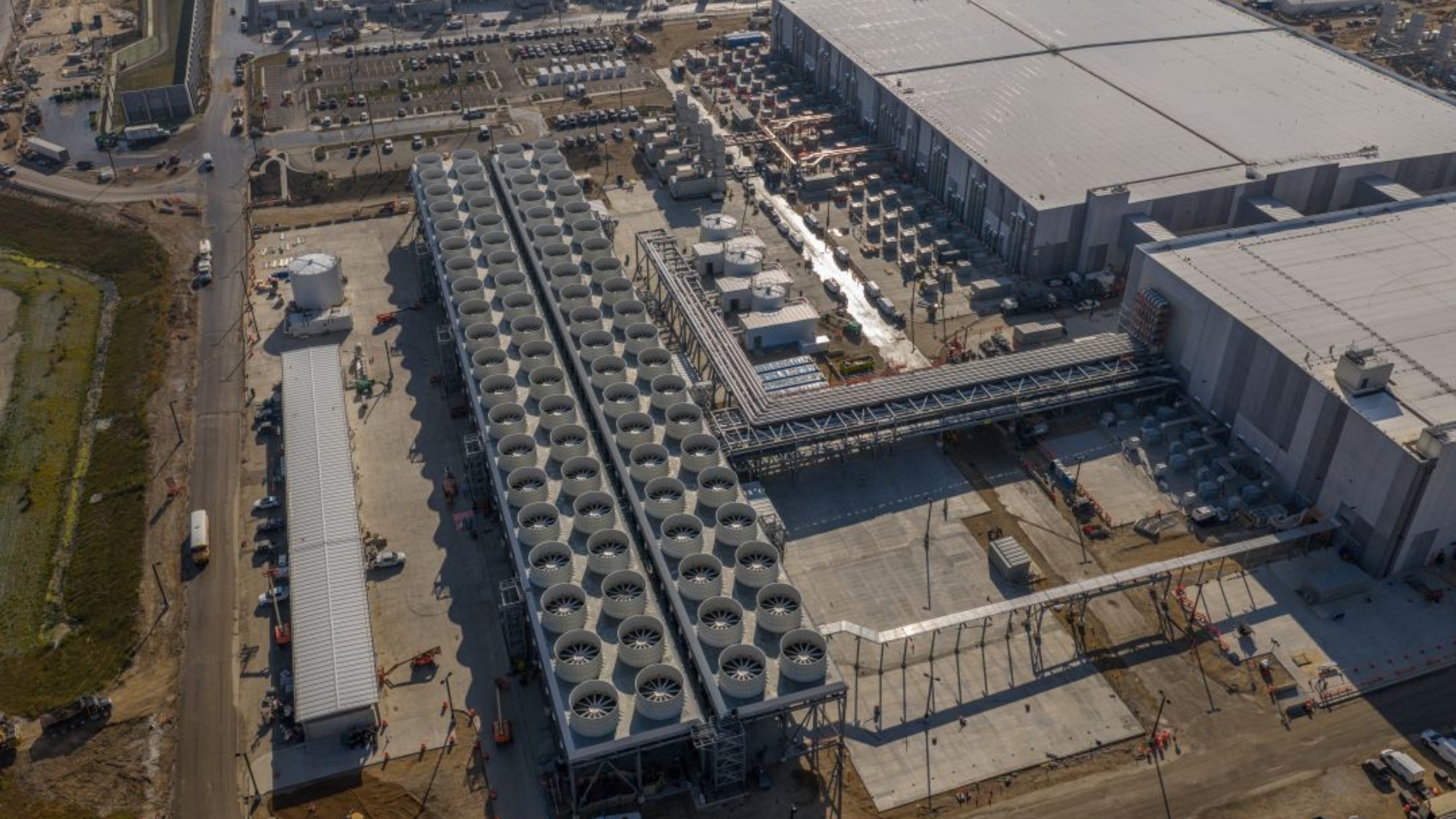
Large data centers use cooling systems to remove heat from servers and electrical equipment. In this case, Imperial Valley Computer Manufacturing says it needs roughly 880 acre-feet of water per year to cool the 330 MW facility, Business Insider reported.
That number is tiny relative to the Imperial Irrigation District’s annual Colorado River entitlement of about 3.1 million acre-feet. The project’s requested use works out to about 0.028% of the district’s supply, close to three-hundredths of 1%.
Sebastian Rucci, a Huntington Beach attorney leading the project, told Business Insider that the data center’s use would be comparable to a 160-acre farm. He said the project would not require a new Colorado River allocation because the company intends to buy nearby farmland and use the water rights tied to that land.
That mechanism is the part drawing heat. Under the plan described by Business Insider, irrigation would stop on those parcels, and the water associated with them would be redirected to industrial cooling.
What happens to farmland and jobs?
The fight is less about one data center’s annual water bill than about changing what Imperial Valley land is used for, water policy specialists told Business Insider. Imperial Valley agriculture receives the overwhelming share of local deliveries: about 95% to 97% of water delivered by the Imperial Irrigation District goes to farming, and agriculture uses about 80% of California’s Colorado River allocation.
A Pacific Institute senior fellow who focuses on Colorado River Basin water use told Business Insider that agricultural communities often resist “buy and dry” deals because they can eliminate jobs. The concern is that selling land and shifting water away from crops can ripple beyond farmworkers to equipment suppliers, repair shops and fertilizer sellers.
Rucci told Business Insider the project would bring economic benefits, including 1,688 construction jobs, more than 100 permanent jobs and an estimated $2.95 billion in economic impact over 30 years. The region’s unemployment rate was about 17% in May, according to Business Insider.
Water specialists interviewed by Business Insider questioned whether more than 100 permanent data center jobs would offset losses tied to farming and related businesses. They also pointed to the national food-supply role of farms near Imperial, California, and Yuma, Arizona, which are major winter suppliers of certain crops.
The lawsuit now puts a familiar AI-infrastructure problem into a very old western water fight: the servers need cooling, the farms need irrigation, and the same river cannot be treated as an abstraction by either side.
This story draws on original reporting from Tom's Hardware.