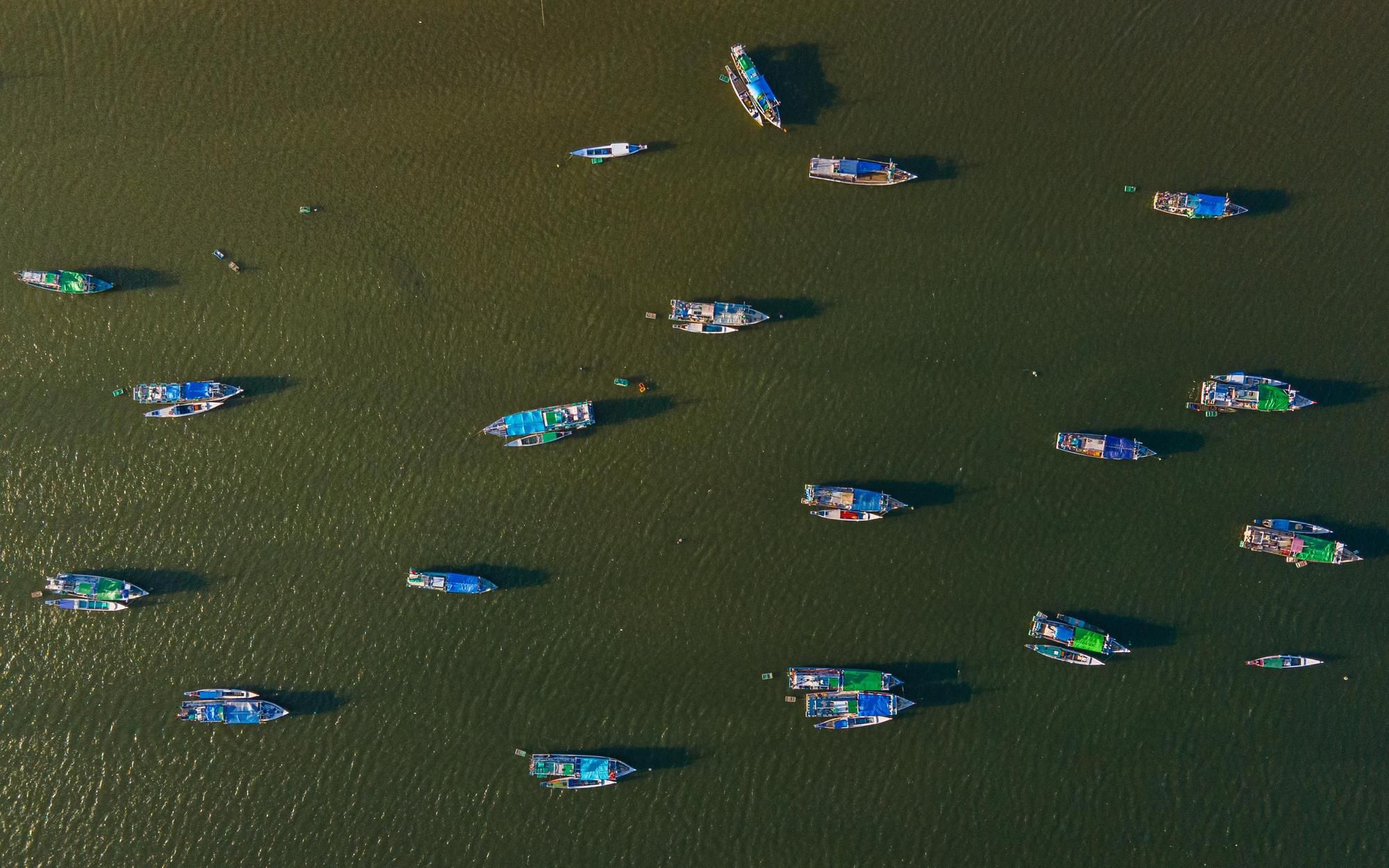
Indonesia is moving fishery enforcement into the data center, using vessel tracking, satellite observations and analytics to flag possible violations before inspectors meet a boat at sea.
The shift addresses a blunt constraint: Indonesia is the world’s largest archipelagic state and manages more than six million square kilometers of maritime space. Patrol boats alone cannot cover waters stretching from the Indian Ocean to the Pacific, or from the Malacca Strait to boundaries near Australia and Papua New Guinea.
Under Indonesia’s vessel monitoring system, fishing boats transmit position data that officials can compare with permits, approved fishing grounds, vessel characteristics and prior movement patterns. Satellite remote sensing and other tools add coverage for vessels that lack active transponders or sit outside the national VMS network.
Enforcement starts with a track
Indonesia accelerated satellite-based monitoring in the late 2010s, according to government reporting cited by Indonesian fisheries officials. By early 2026, 9,394 Indonesian fishing vessels were actively sending data through the national VMS, up by 2,880 vessels during the 2021 to 2025 period.
The legal model for ocean enforcement is older than this machinery. The United Nations Convention on the Law of the Sea, adopted in 1982, was built around patrols, boardings, inspections and direct observation. Digital monitoring changes the first step. A suspicious route, a transmitter outage or a mismatch with a license can now put a boat on an enforcement list before a patrol vessel leaves port.
Indonesia’s Ministry of Marine Affairs and Fisheries reported 2,550 administrative sanctions in 2025. Many involved VMS-detected issues, including fishing outside authorized grounds and deliberate deactivation of monitoring transmitters.
The ministry’s first-quarter 2026 figures show the scale of the system. During three months, Indonesian fisheries monitoring tracked 14,571 fishing vessels, 182 fishing gear units and 208 registered home ports. Officials identified 491 suspected violations across national fisheries management areas.
Those suspected violations included fishing in unauthorized grounds, illegal high-seas activity, transshipment-related offenses, port-base discrepancies, licensing irregularities and signs of poaching, according to the ministry’s reporting.
Fishers adapt to the sensors
Better monitoring has not ended illegal, unreported and unregulated fishing. It has changed the tactics. Indonesian officials describe deliberate VMS shutdowns as a recurring enforcement concern, though temporary signal loss can also come from technical failure.
Indonesia introduced a 2023 requirement that even small vessels use VMS when operating 12 nautical miles offshore. The expanded network appears to have improved compliance among licensed vessels, according to the account from Indonesian fisheries surveillance officials, while some illegal operators have looked for gaps between systems.
To reduce those gaps, Indonesia combines VMS with satellite observations, other maritime surveillance systems, intelligence analysis and reports from community-based surveillance groups known as Pokmaswas. That layered model gives officials more than one way to corroborate suspicious behavior when a single feed goes dark.
The next weak point is the data
The same systems that make offshore activity more visible also create new failure modes. Indonesian fisheries officials point to cybersecurity, data integrity and algorithmic accountability as growing concerns for digital enforcement.
If tracking records are manipulated, automated risk scores are wrong or connected systems are compromised, enforcement can be disrupted without any captain outrunning a patrol boat. The practical problem is no longer only finding vessels. Regulators also need to prove that the data behind an enforcement action are credible, secure and reliable.
Global Fishing Watch says it tracks hundreds of thousands of vessels worldwide, showing that Indonesia’s move is part of a wider change in maritime oversight. For Indonesia, the lesson is more operational than glossy: digital surveillance does not replace crews, inspections and patrols. It decides where many of them go first.
This story draws on original reporting from IEEE Spectrum.