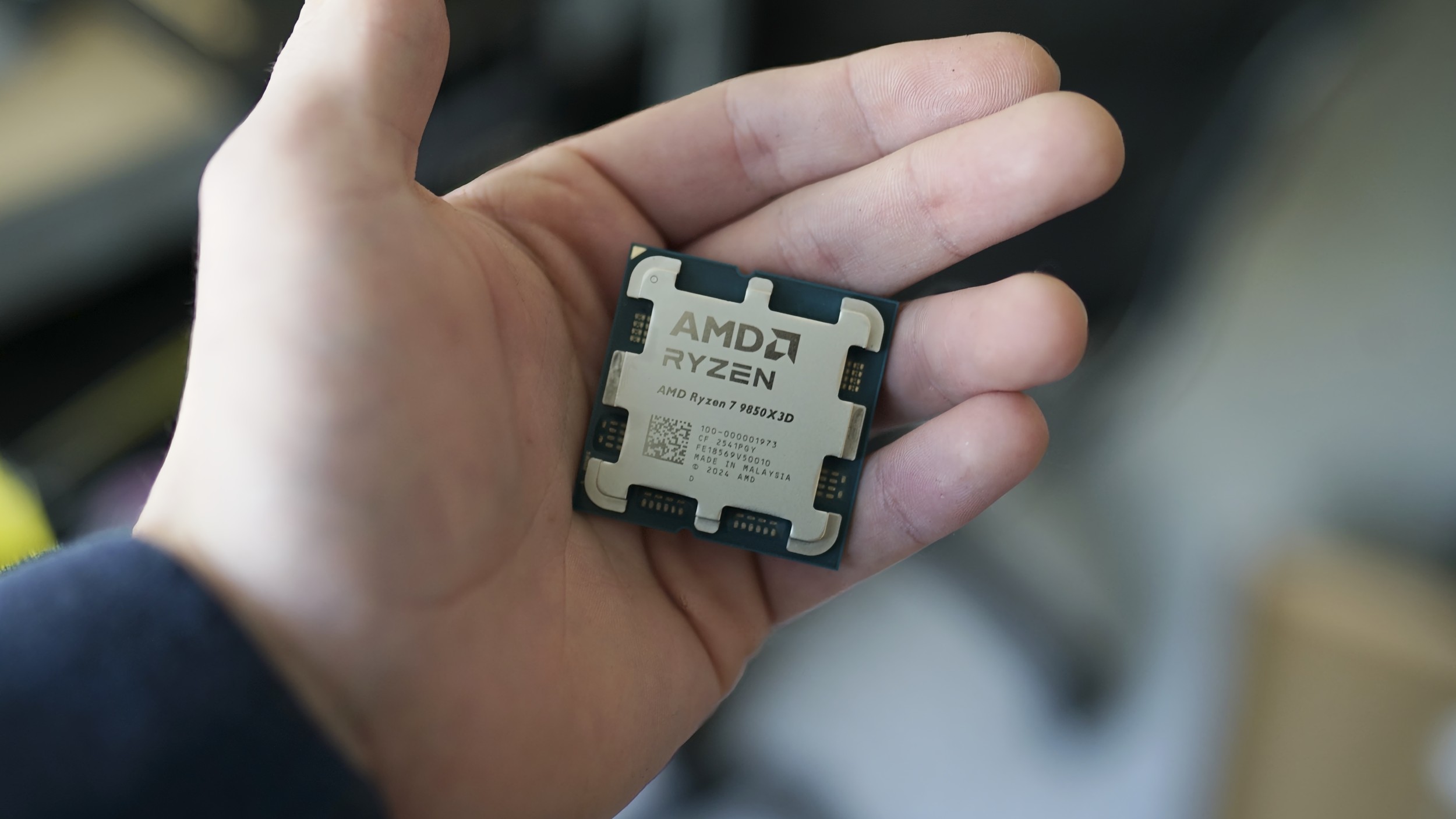
Intel and AMD are signing longer purchase commitments with Chinese server customers as data center CPU supply tightens and prices rise, according to Reuters, which cited two people familiar with the talks.
The reported structure is blunt: buyers commit to volumes, while the chipmakers do not lock in prices. One person told Reuters that prices for some server CPU products in China have increased by more than 40% since the start of the year, with some still climbing by more than 10% month to month.
For Chinese cloud providers and internet companies, that means the contract buys a place in the allocation line rather than a hedge against inflation. The arrangement may help customers secure chips, but it leaves them exposed if Xeon and Epyc pricing keeps moving upward. Reuters reported that most of the agreements cover roughly one year of purchase volumes. One person said some customers have discussed commitments lasting two years or more.
Intel and AMD did not respond to Reuters requests for comment.
Allocation, not price protection
The mechanism matters. A volume commitment tells Intel or AMD that a customer will take a certain number of processors over a period of time. A fixed-price supply contract would also give the buyer some certainty about what those processors will cost. Reuters’ account says these Chinese agreements generally do the first part, not the second.
That differs from some long-term supply deals memory makers have reached with hyperscale customers during the AI-driven squeeze on DRAM and NAND output. Those arrangements have often traded volume guarantees for at least some price visibility. The server CPU deals described by Reuters appear less comforting for buyers: they reserve supply in a market where delivery delays and price increases are already biting.
Intel had already warned demand was outpacing supply
Intel said in March that it was pursuing long-term agreements with potential customers after server CPU demand rose. On the company’s April earnings call, CEO Lip-Bu Tan told analysts that demand continued to exceed supply, naming Xeon server processors in particular. Tan also said Intel had signed several long-term contracts in the first quarter, including a multi-year supply agreement with Google.
The backlog has been visible for months. Reuters reported in February that Intel had told Chinese customers some server CPU lead times had stretched to six months, while AMD was quoting eight to 10 weeks. Nikkei Asia later reported that server makers were seeing average CPU lead times expand from one to two weeks to eight to 12 weeks and beyond.
Intel CFO David Zinsner put a rough scale on the missed business in April, telling investors that unmet Xeon demand “starts with a B.” Intel later confirmed price increases on selected consumer and server processors.
The demand is tied in part to AI systems that need more CPUs alongside accelerators for inference, orchestration and related server work. AMD has raised its server CPU market forecast to more than $120 billion by 2030, citing that trend.
U.S. export controls still block Chinese buyers from getting the most advanced AI accelerators. Reuters’ reporting suggests server CPUs from Intel and AMD remain available, provided customers can tolerate the wait, and the price.
This story draws on original reporting from Tom's Hardware.