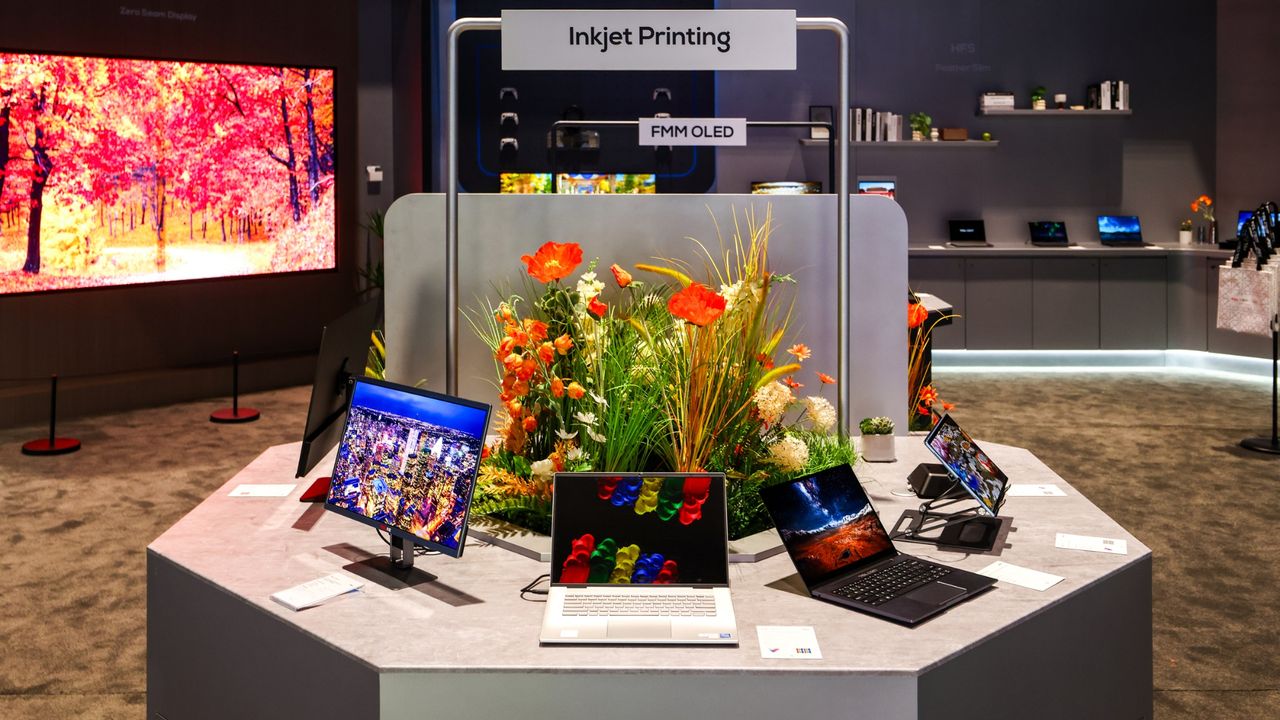
Lenovo has put TCL CSOT’s inkjet-printed OLED panel into the Legion R9000P, a gaming laptop the company says is the first consumer notebook to ship with the display technology.
The screen is a 16-inch OLED panel from TCL CSOT, the display subsidiary of TCL. According to Lenovo, it runs at up to 240 Hz and covers more than 99% of the DCI-P3 color gamut. Those numbers are no longer exotic in high-end OLED hardware, but the manufacturing method is the point.
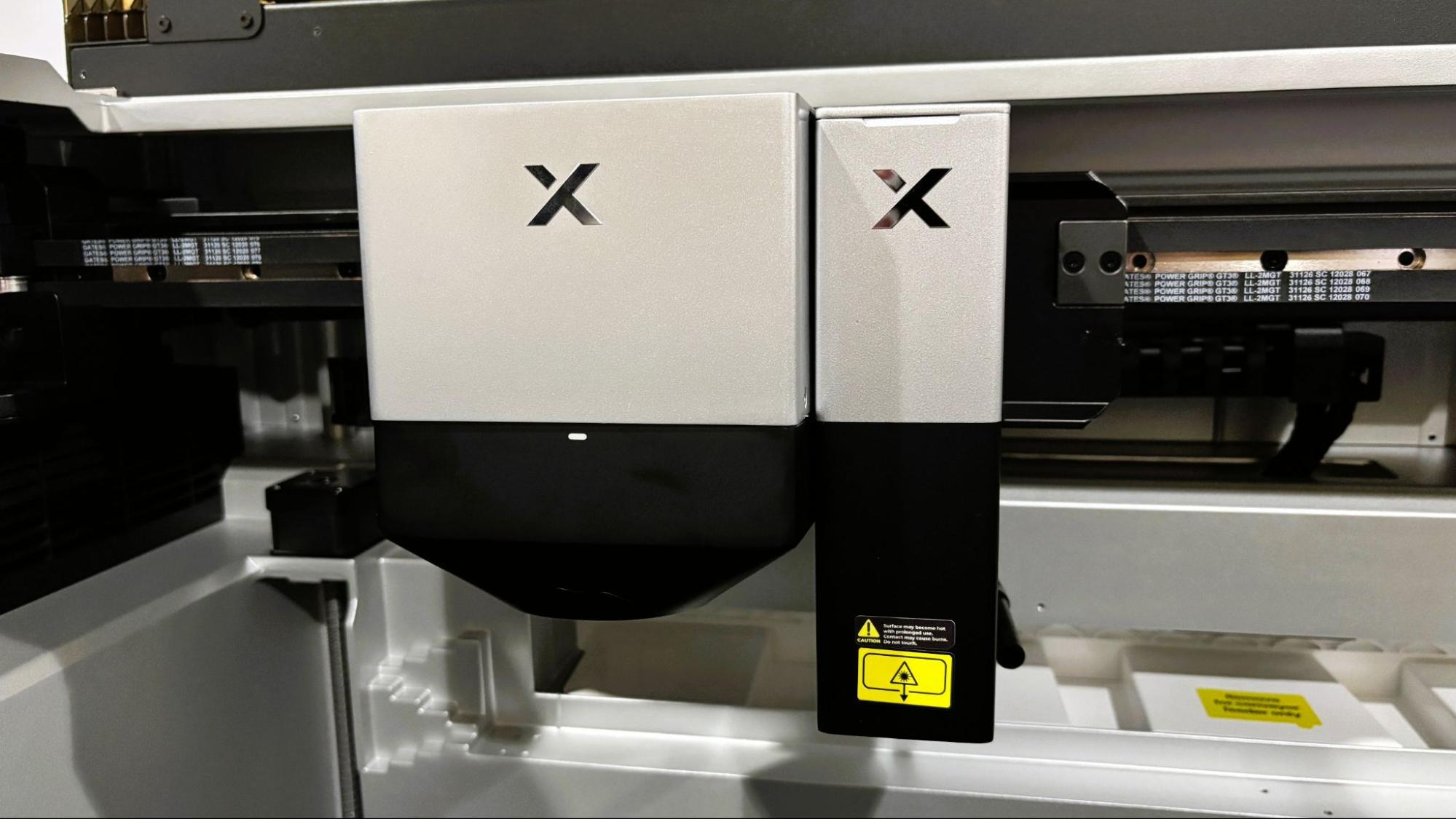
Most OLED panels are made using vacuum thermal evaporation, a process that deposits organic material in a vacuum chamber. TCL CSOT’s inkjet-printed OLED process prints the OLED material instead. The claimed benefit is production: TCL CSOT says the method is cheaper and less complex, with better yields. That matters if OLED panels are going to move down from premium devices into less expensive hardware without turning the bill of materials into a bonfire.
TCL CSOT also claims its printed OLED panels improve brightness, a frequent pain point for OLED displays. That would be especially relevant in laptops, which are used under changing lighting rather than parked in a living room or on a desk for most of their lives.
Price is still the missing number
Lenovo has not published the Legion R9000P’s full specifications or price. That leaves the central claim mostly untested for buyers: whether inkjet printing makes this OLED laptop cheaper than comparable models using conventional OLED panels.
The company is presenting the Legion R9000P as a step toward wider use of inkjet-printed OLED in consumer electronics. TCL CSOT has been working on the technology for more than a decade, according to the companies, and has been mass-producing 5.5-generation inkjet-printed OLED since 2024. It also began construction last year on an 8.6-generation production line.
The Lenovo laptop is not the only newly announced product tied to the same panel family. MSI has announced the Pro Max OLED 271UPJW12, a 27-inch 4K monitor described as using inkjet-printed OLED. MSI did not name TCL CSOT as the supplier, but the reported specifications match TCL CSOT’s panel, and TCL CSOT is currently identified as the only manufacturer producing OLED screens with the inkjet printing technique.
If TCL CSOT’s cost and yield claims hold up at scale, the technology could put pressure on OLED monitor pricing. The same production approach could also reach TVs and phones, according to the report, where cheaper OLED panels would compete more directly with QLED and Mini LED screens. For now, the confirmed product is narrower: one Lenovo gaming laptop with a 16-inch, 240 Hz printed OLED panel and no public price tag yet.
This story draws on original reporting from Tom's Hardware.