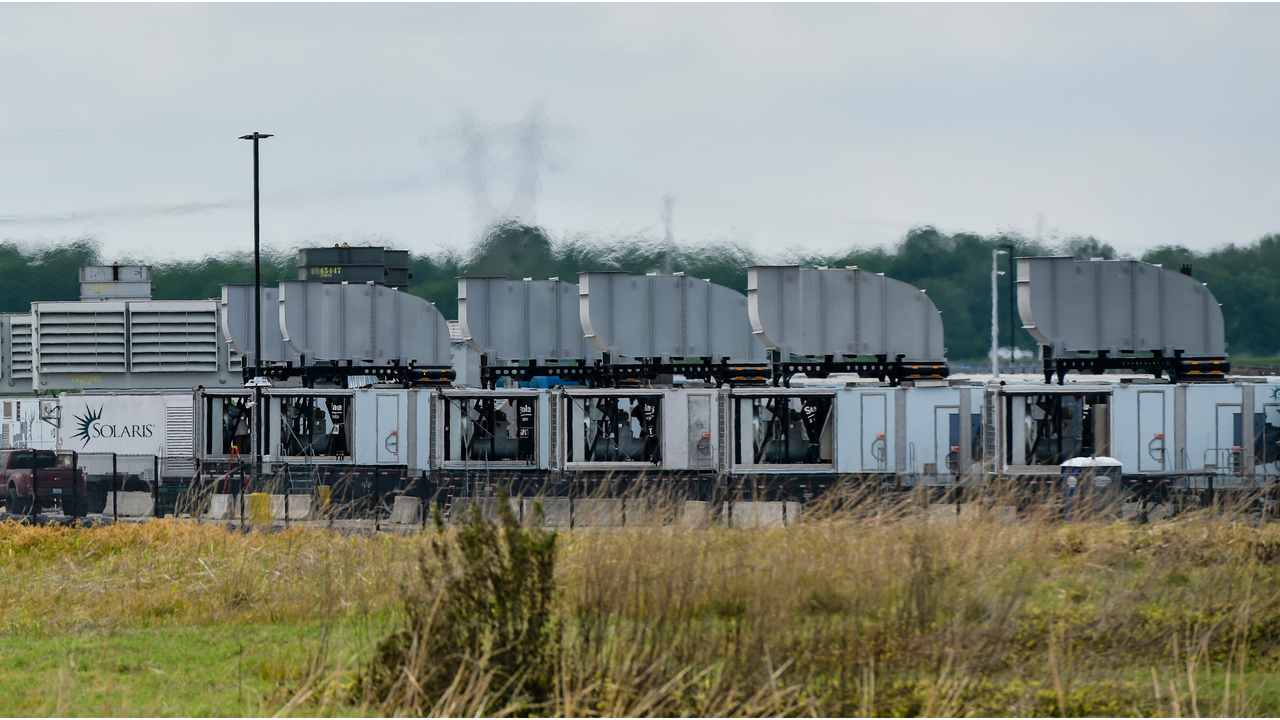
Elon Musk has acquired APR Energy, a company with a fleet of trailer-mounted gas and diesel turbines capable of producing more than 1 gigawatt of electricity, according to Electrek and regulatory disclosures.
The purchase matters because Musk’s xAI data centers, Colossus 1 and Colossus 2, have already drawn scrutiny over allegations that they used mobile natural gas turbines without the required permits. Rather than rely only on utility power or Tesla Energy’s solar and battery businesses, Musk appears to have bought the kind of temporary power supplier that can keep an AI data center running while the grid catches up, or while regulators argue about whether it should.
The price of the deal has not been publicly stated. Electrek reported that disclosures showed Musk paid more than $50 million for a 5 percent stake owned by a minority shareholder. If the other shareholders were paid on comparable terms, that would put the full acquisition above $1 billion. That is an estimate, not a confirmed sale price.
The transaction did not arrive with the usual corporate victory lap. It became visible through a Federal Trade Commission early termination notice, which allowed the deal to proceed without additional review, according to the report. The lack of public promotion is notable because xAI’s power strategy in Memphis is already politically radioactive.
Tom’s Hardware has reported allegations that xAI’s Memphis-area data centers are producing substantial pollution, with the burden falling largely on nearby Black communities. Residents around the sites have sued SpaceXAI and Musk, according to the same reporting, over complaints tied to noise and air pollution from the projects.
Why mobile turbines fit xAI’s timeline
The power problem is not mysterious. Musk has been aiming for 1 gigawatt of capacity for xAI’s AI infrastructure, according to earlier reporting. A data center at that scale cannot be plugged into the local grid like a gaming PC under a desk. The substations, transmission links and approvals have to exist first.
Connecting such a facility directly to the grid can take months or years, according to the reporting, because utilities and regulators have to approve the upgrades. Local resistance is also likely when residents fear higher bills or more pollution. The reports cite concern over a 76 percent electricity price increase in the PJM region that has been blamed on data center demand.
Mobile turbines offer a cruder workaround: haul in generation equipment, burn fuel on site, and feed the data center directly. APR Energy’s business sits exactly in that lane. Its equipment can be moved where power is scarce or needed quickly, which makes it useful for disaster response, remote industrial sites and, apparently, AI server farms with impatient owners.
Musk has also reportedly pursued a fixed power plant overseas for xAI, but the APR Energy purchase suggests mobile generation remains part of the plan. Renting this equipment can cost millions of dollars, so owning the supplier could make financial sense if xAI expects to keep burning through temporary power capacity.
The legal fight is still unresolved. The Department of Justice has weighed in, saying Colossus 2 “supports mission-critical operations” for national security, according to prior reporting. Hearings have not yet settled what happens to the turbines. For nearby residents, the immediate issue is less abstract: the generators are there, and the alleged pollution risk has not gone away.
This story draws on original reporting from Tom's Hardware.