Reuters has identified Shanghai Aishengna Electronic Technology Group as the state-owned company building China’s first domestic immersion deep ultraviolet lithography scanners, putting a name to the Shanghai Aishengna DUV effort at the center of Beijing’s push to reduce dependence on ASML and Nikon.
The identification came from one person who was not named by Reuters. Shanghai Micro Electronics Equipment and Shanghai Yuliangsheng Technology, described as Aishengna shareholders, did not respond to Reuters requests for comment. Aishengna was set up in August 2023 with RMB 7 billion, about $1 billion, in registered capital, and is believed to have taken in engineering teams from SMEE and Yuliangsheng.
Who is making China’s domestic DUV scanner?
According to Reuters, Shanghai Aishengna is the company producing the domestic immersion DUV scanners. SMIC has been testing a Yuliangsheng immersion tool since September 2025, and first deliveries are slated for SMIC, Hua Hong Semiconductor and ChangXin Memory Technologies, according to the reported program details.
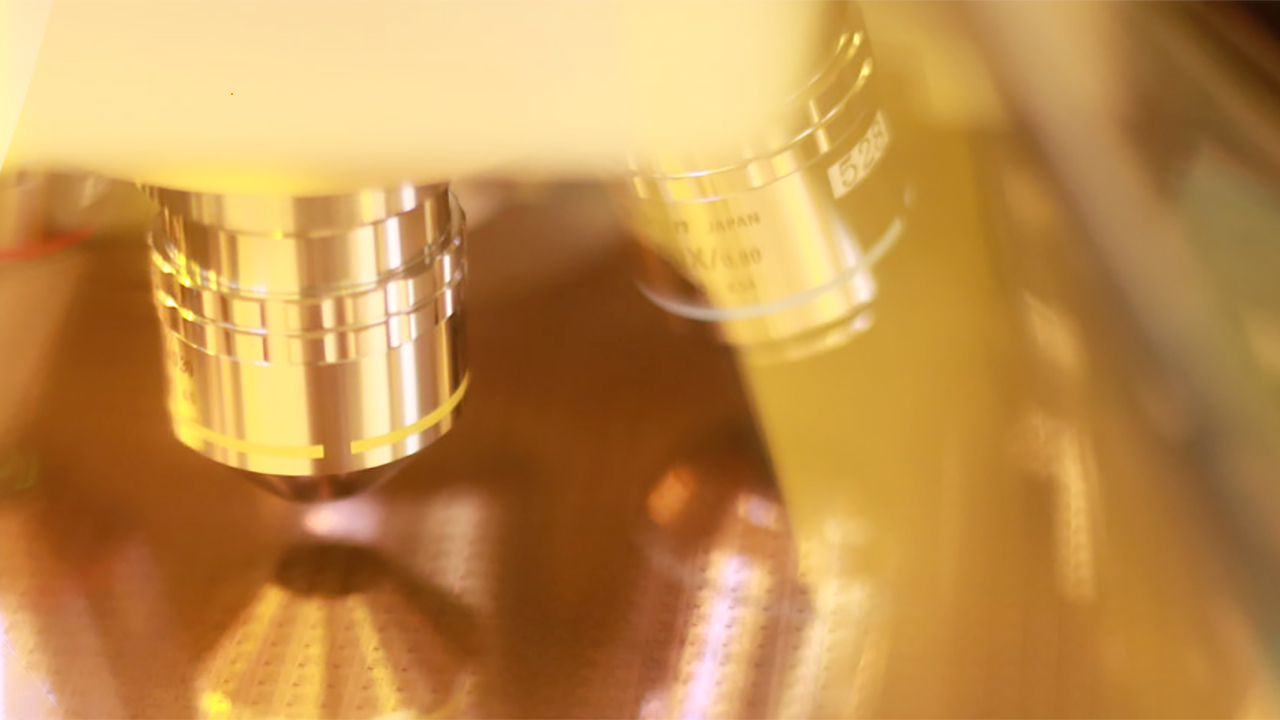
An immersion DUV scanner uses 193 nm ArF light and water between the lens and wafer to print smaller chip features than dry DUV tools can manage. It is the workhorse class of tool for many advanced processes below EUV, but it becomes slower and more expensive as manufacturers use repeated patterning steps to make up for the lack of EUV exposure.
Why a scanner alone does not make 7 nm chips
The scanner is only one part of the lithography cell. The wafer also needs a coater and developer track to apply photoresist, bake it and develop the pattern after exposure. Those tracks must be mechanically and thermally matched to the scanner, which is why fabs usually buy the two as a paired cluster.
Tokyo Electron dominated that track market in 2022, with Shared Research estimating an 89% global share based on the company’s disclosures. Shenyang Kingsemi has reached 28 nm-class track capability and is targeting 14 nm, according to the reported figures.
Photoresist is another weak point. JSR, Tokyo Ohka Kogyo, Shin-Etsu and Fujifilm together hold 72.5% of the ArF photoresist market, while Chinese suppliers account for less than 1% of ArF immersion resist. Nata Opto-electronic built an ArF line that expanded from 25 tons to 50 tons and passed customer qualification in December 2020, but the project has shown little volume. Xuzhou B&C says its ArF immersion materials cover 45 nm to 28 nm and can extend to 14 nm, while chairman Fu Zhiwei has placed mass production of China’s core advanced resists about five years away.
Light sources and optics are no easier. Cymer, Gigaphoton and Coherent hold more than 80% of the ArF excimer laser market, and Cymer has been owned by ASML since 2013. Beijing RSLaser shipped China’s first high-power domestic excimer laser in 2018 and has a 4 kHz 193 nm ArF prototype aimed at 90 nm and 65 nm-class tools, behind what 28 nm immersion requires. Carl Zeiss SMT has been ASML’s exclusive projection optics supplier since 1983.
How export controls shape the race
The U.S. MATCH Act, H.R. 8170, would bar both export and servicing of immersion DUV systems to China and would name SMIC, Hua Hong, Huawei, CXMT and YMTC as restricted entities in statute. The bill cleared the House Foreign Affairs Committee in April, remains in committee and has a Senate companion, S. 4281, with no floor vote scheduled.
ASML’s China sales share fell to about 14% in the second quarter of 2026 from 33% across 2025. Its service and upgrade business, installed base management, accounted for €2.8 billion of €9.3 billion in second-quarter revenue. Former ASML chief executive Peter Wennink has said ASML can service most Chinese tools, except where U.S.-origin spare parts fall under export controls.
The AI Futures Project’s June forecast puts a commercially viable Chinese 7 nm-capable immersion scanner between 2032 and 2038, with a 2035 median, and says ASML has 98.7% of the immersion market. Even five Chinese machines in 2026 would amount to less than 4% of ASML’s annual immersion output, and every tool would still need a matched track, qualified immersion resist and an ArF laser source before it could print wafers at scale.
This story draws on original reporting from Tom's Hardware.